
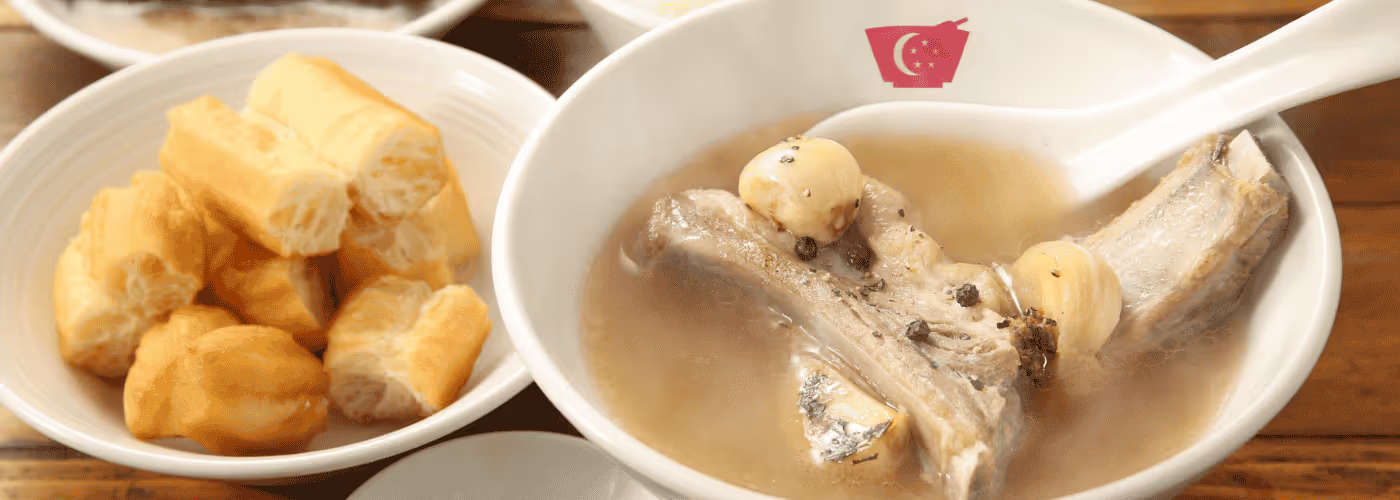
Craving authentic pork rib soup? Our guide reveals Singapore's 5 most delicious bak kut teh spots, with insider tips on what to order at each!
Singapore's food scene is rich with local favorites, and bak kut teh stands out as one of the most beloved comfort foods. This hearty dish of pork ribs simmered in a flavorful broth has earned a special place in the hearts and stomachs of locals and tourists alike.
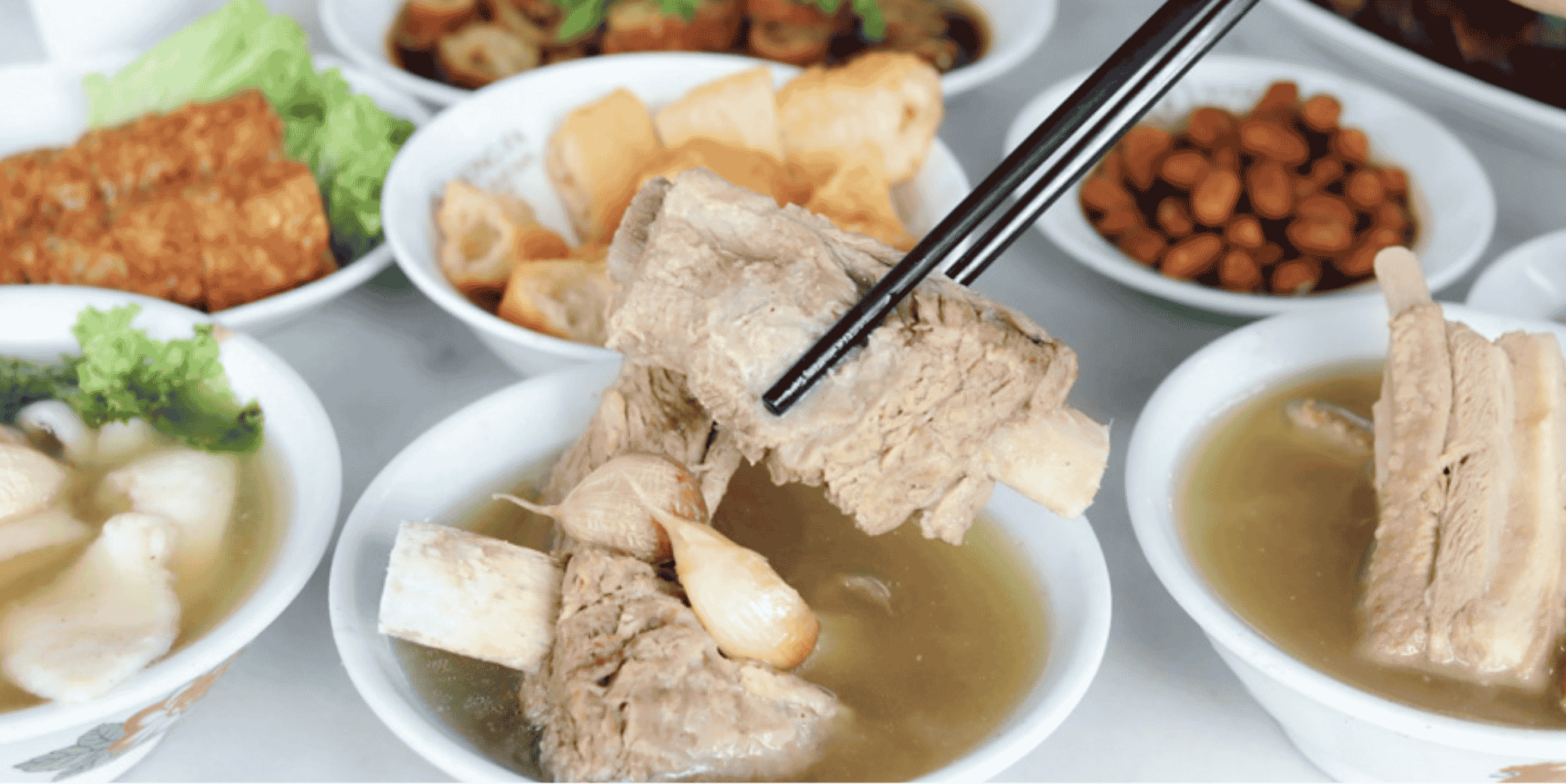
If you're on the hunt for the best bak kut teh in Singapore, you've come to the right place. I've spent years visiting countless stalls across the island, tasting both the peppery Teochew-style broths and the herbal Malaysian versions to bring you this authentic guide to Singapore's finest bak kut teh experiences.
Before diving into the best stalls, let's talk about what makes this dish so special. Bak kut teh literally means "pork bone tea" in Hokkien dialect, though you won't find any actual tea in the soup. Instead, the name comes from the tradition of drinking Chinese tea alongside the dish to cut through the richness of the pork.
There are two main styles you'll find in Singapore:
You'll also occasionally find "dry bak kut teh," a non-soup version where the meat is stir-fried with dark soy sauce and other seasonings.
Style: Teochew (Peppery)
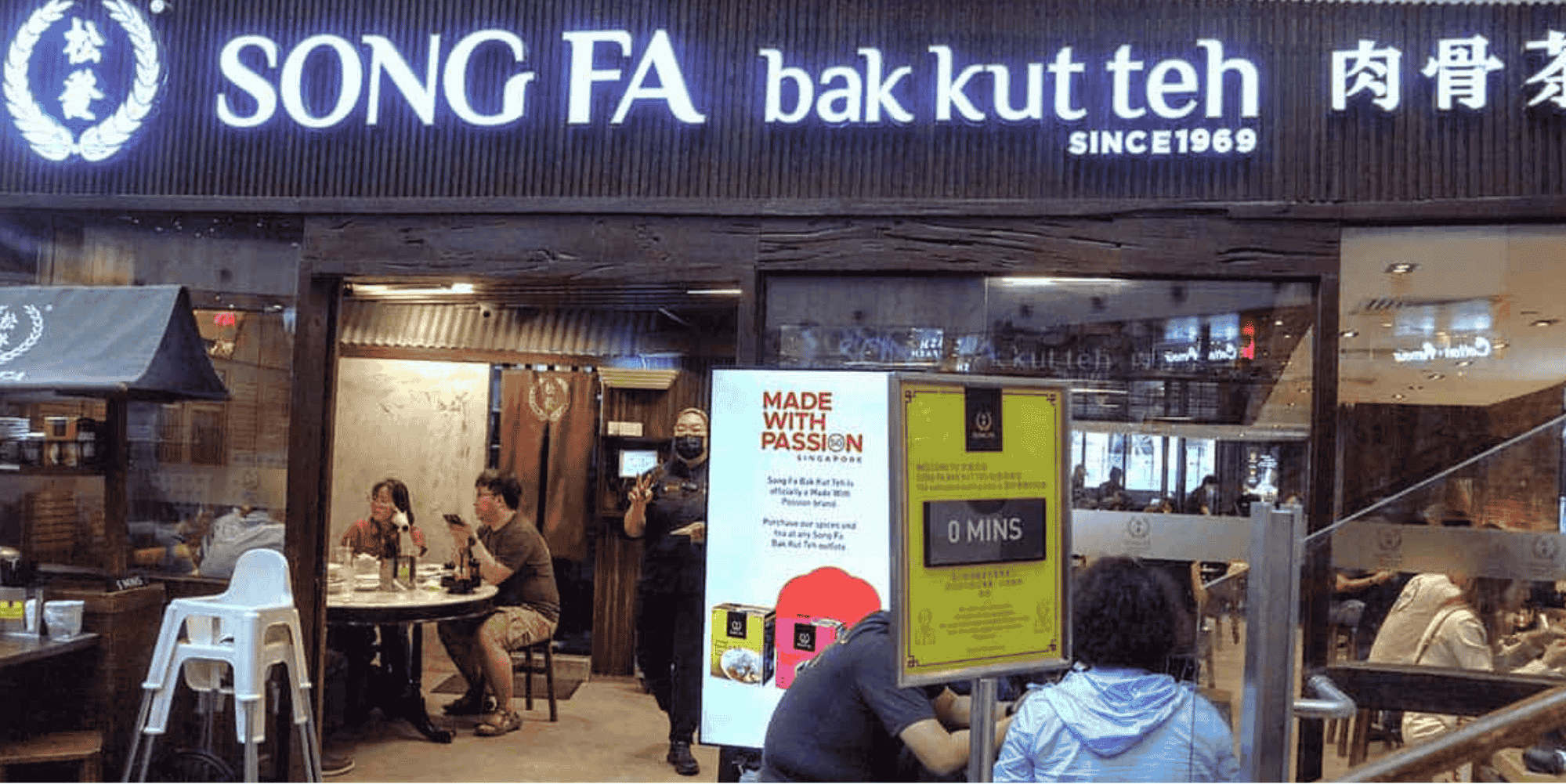
Song Fa's journey from a humble pushcart in 1969 to a Michelin Bib Gourmand recipient speaks volumes about the quality of their bak kut teh. Their clear, peppery broth strikes the perfect balance – robust with white pepper and garlic notes but not overwhelming.
The prime spare ribs soup features fork-tender meat that falls off the bone easily. The soup is refillable, allowing you to enjoy as much of the broth as you'd like.
What makes Song Fa stand out is how they've maintained consistent quality despite expanding internationally. Their you tiao (fried dough fritters) are crispy and make the perfect accompaniment for dipping into the soup.
Key dish to try: Prime Spare Ribs Soup with a side of you tiao
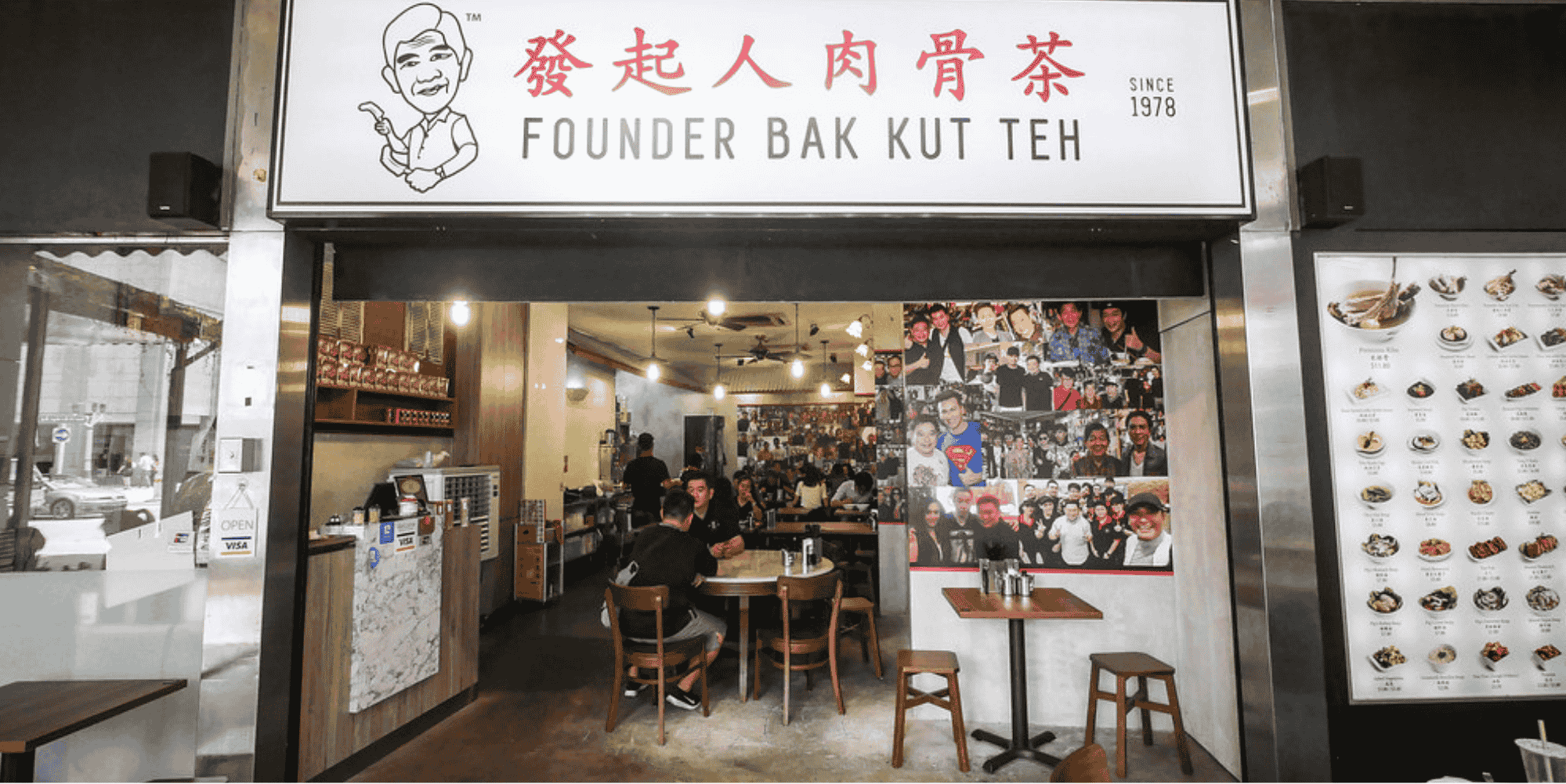
Style: Teochew (Peppery)
Established in 1978 by former pig farmer Chua Chwee Whatt, Founder offers one of the most refined versions of peppery bak kut teh in Singapore. Their signature broth is slightly sweeter than most other Teochew versions but still packs that characteristic peppery punch.
The Founder's bak kut teh comes with both premium ribs and spare ribs, giving you the best of both worlds. The premium ribs offer meatier bites, while the spare ribs provide that melt-in-your-mouth experience.
What truly sets Founder apart is their attention to detail. The broth is never too oily, and the balance of flavors shows years of recipe refinement. Their braised pig's trotters make an excellent side dish.
Key dish to try: Founder's Bak Kut Teh with sliced lean meat soup
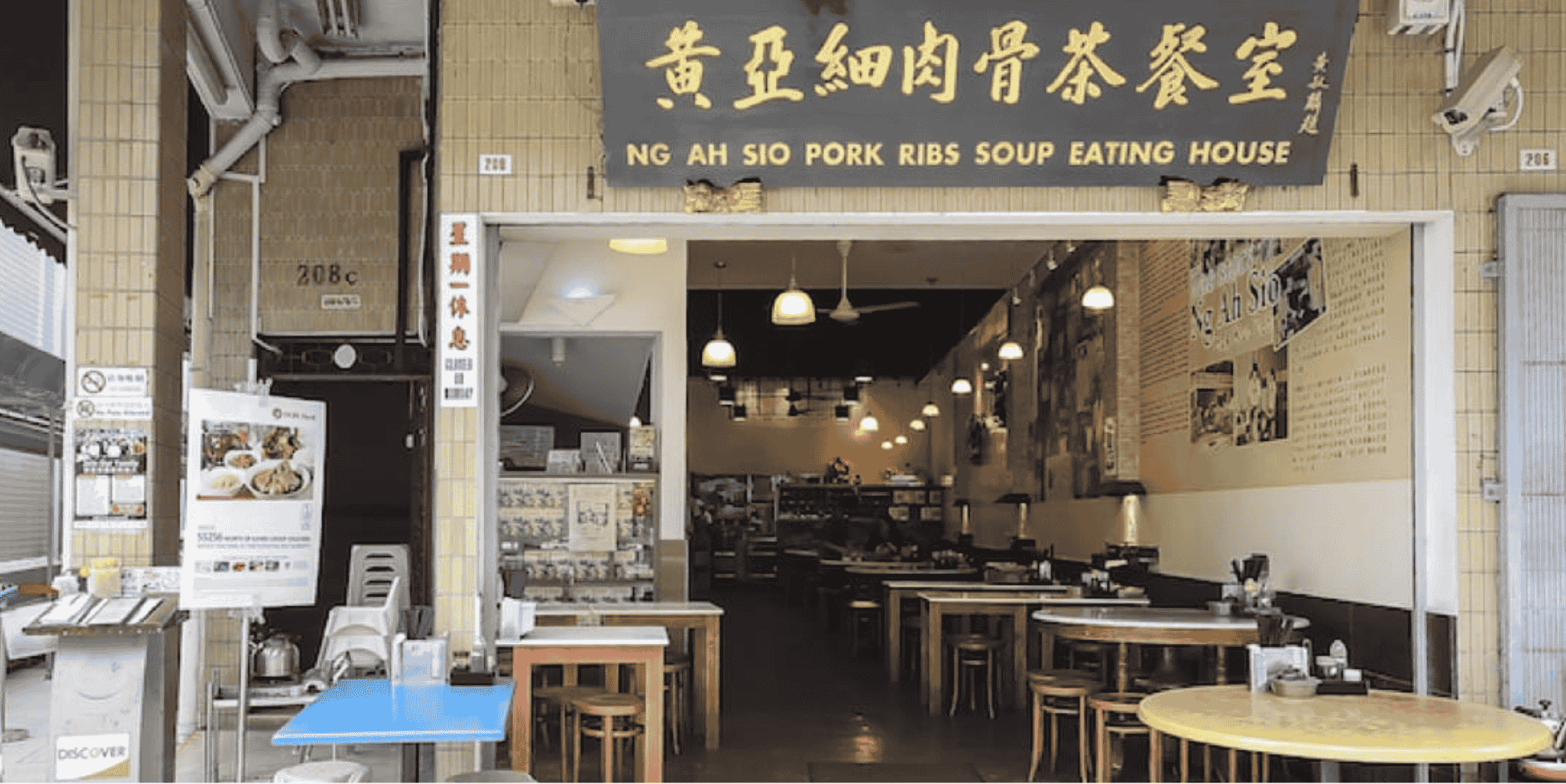
Style: Teochew (Peppery)
A true institution since 1955, Ng Ah Sio is now part of the Jumbo Group but has maintained its traditional recipe. Their broth stands out with its distinctive brownish hue, achieved through a special blend of soy sauces and freshly ground peppercorns.
The pork spare rib and soft bone soup offers wonderful textural contrast. The soft bones provide a pleasant chew, while the spare ribs deliver that classic tender meat experience.
What makes Ng Ah Sio special is how they emphasize the natural sweetness of the pork in their broth. There's a richness here that comes from long hours of simmering rather than added MSG.
Key dish to try: Pork spare rib and soft bone soup with braised pig's skin on the side
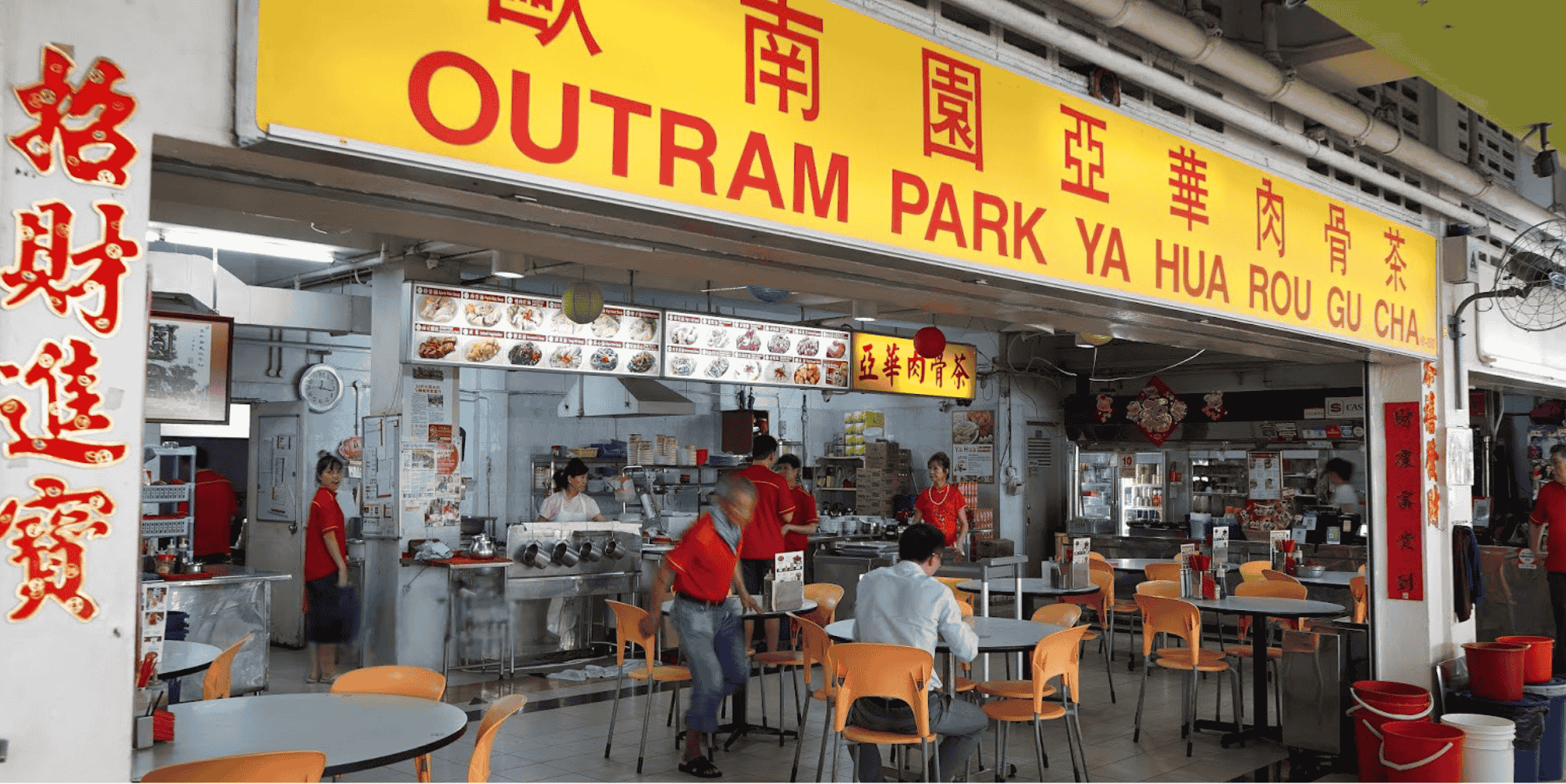
Style: Teochew (Peppery)
Ya Hua started in 1973 at a coffee shop near Outram Park and has grown into one of the most recommended bak kut teh spots among locals. Their broth walks the line between clarity and richness perfectly.
Their signature pork ribs soup features exceptionally tender meat that separates from the bone with the gentlest tug. The broth has a clean, bright flavor with strong pepper notes but also a subtle sweetness that develops as you drink it.
What makes Ya Hua stand out is their consistent quality and generous meat portions. Their braised pig's intestines and liver make excellent complementary dishes for the adventurous eater.
Key dish to try: Signature pork ribs soup with braised peanuts
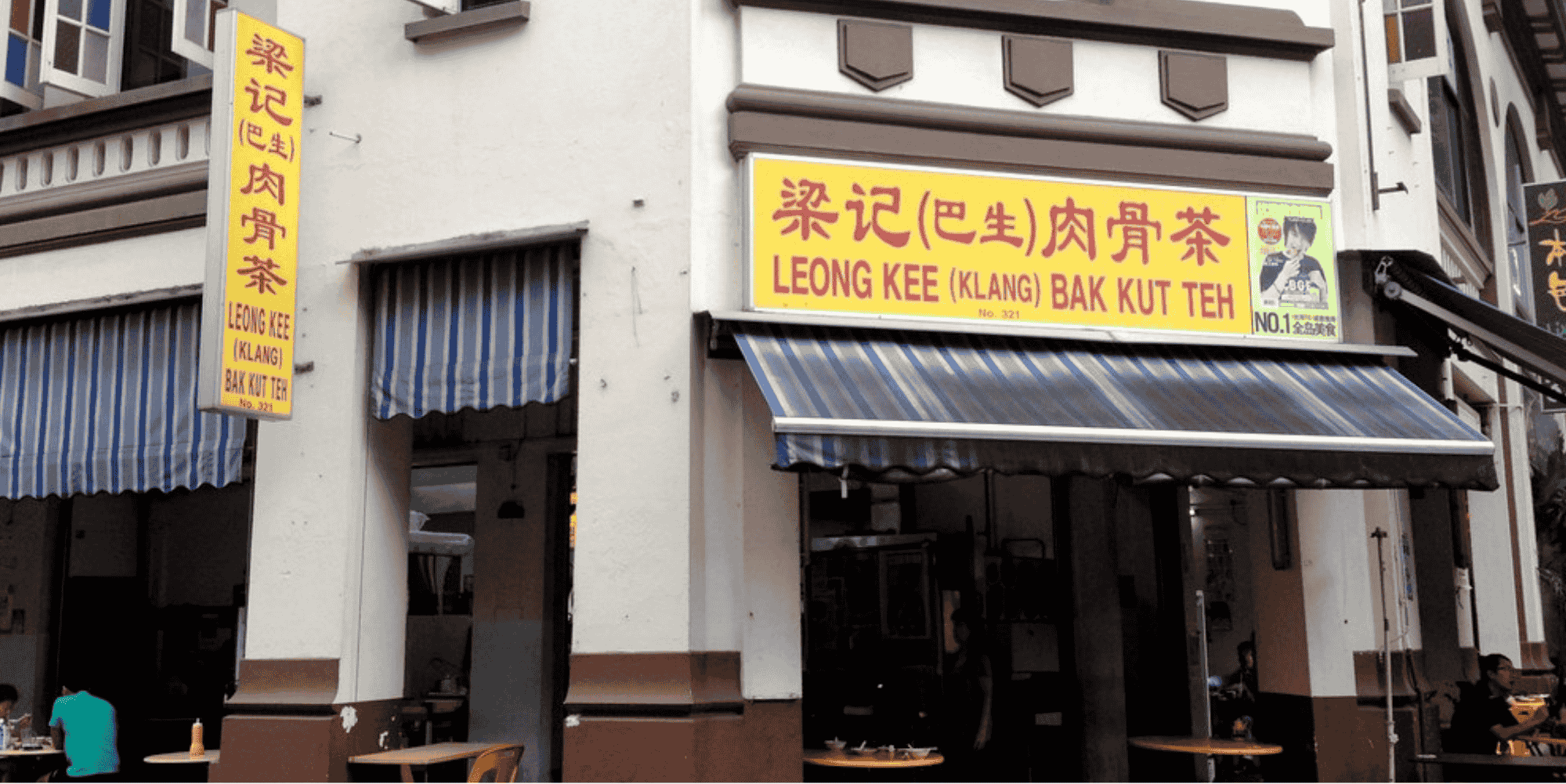
Style: Klang/Malaysian (Herbal)
For those who prefer the herbal style, Leong Kee has been the gold standard since 1979. Their Malaysian-style bak kut teh offers a completely different experience from the Teochew versions.
The signature bak kut teh soup features a dark, rich broth that's been simmered for hours with Chinese herbs. The result is a complex, slightly sweet flavor profile that grows on you with each sip. The ribs are always tender, and the fried bean curd skins and vegetables served in the soup soak up all the wonderful flavors.
What makes Leong Kee special is that they also serve an excellent dry version of bak kut teh cooked in a thick, caramelized sauce with dried chili and dark soy sauce.
Key dish to try: Signature bak kut teh soup and dry bak kut teh to compare both styles
To get the full bak kut teh experience:
Bak kut teh is perfect for rainy days when you need something warming, but locals enjoy it year-round. Some stalls, like those in the Balestier area, open early in the morning (around 6-7am) and close after lunch, while others operate into the evening.
Weekends tend to be crowded at all the popular stalls, so go on a weekday if you can. Early morning (before 9am) or mid-afternoon (2-4pm) usually means shorter waits.
Singapore's bak kut teh scene showcases the rich culinary heritage of this small but food-obsessed nation. Whether you prefer the peppery kick of Song Fa and Founder, or the herbal complexity of Leong Kee, there's a bak kut teh style for every taste.
These five stalls represent the best of Singapore's bak kut teh tradition, each bringing something special to this beloved dish. From the tender, fall-off-the-bone meat to the complex, flavorful broths, these places deliver authentic experiences that keep locals and tourists coming back.
Ready to explore Singapore's culinary landscape beyond these top bak kut teh spots? Consider booking a private chauffeur service to take you on a food tour across the island. With a local driver who knows all the hidden food gems, you can enjoy a stress-free culinary adventure through Singapore's diverse food scene.
.png)
Corporate travel in Singapore depends on more than arranging a vehicle for an executive, client or visiting delegation. The quality of the service is reflected in how carefully each journey is planned, communicated and managed from pickup to drop-off.
.png)
Getting around Johor Bahru is straightforward when the journey only involves one pickup and one destination. It becomes a different kind of booking once Senai Airport, several stops, meetings across different parts of Johor or a longer journey to Desaru enter the itinerary.
.png)
Booking a chauffeur in Singapore is easy enough. The more useful question is what happens once the journey becomes more demanding: a Changi arrival shifts, several meetings run back-to-back, or an executive's schedule changes halfway through the day.


Fixed rates, 24/7 operations, flight-tracked pickups. PAL handles the ground transportation.


.png)
.png)
.png)
.png)
.png)
.png)
.png)
.png)
.png)