
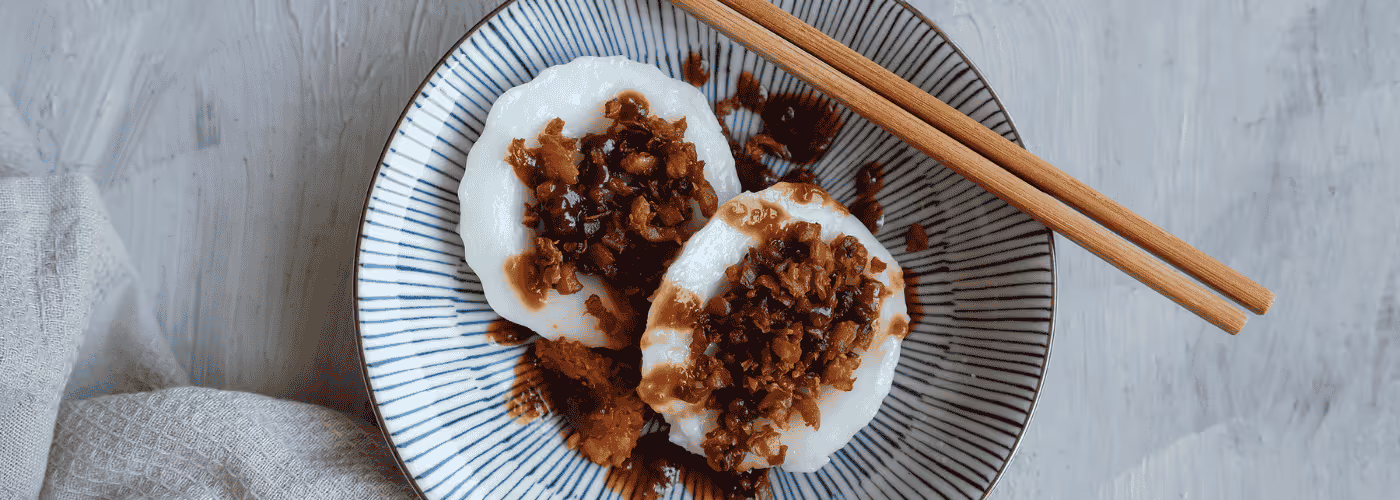
Experience Singapore's best traditional chwee kueh at these 5 outstanding stalls. From Michelin-recognized spots to beloved local institutions since 1958!
Singapore's food scene is famous worldwide, but beyond the chili crab and chicken rice lies a humble Teochew delicacy that locals absolutely adore – chwee kueh. These small steamed rice cakes topped with savory preserved radish (chai poh) have been satisfying Singaporeans for generations.
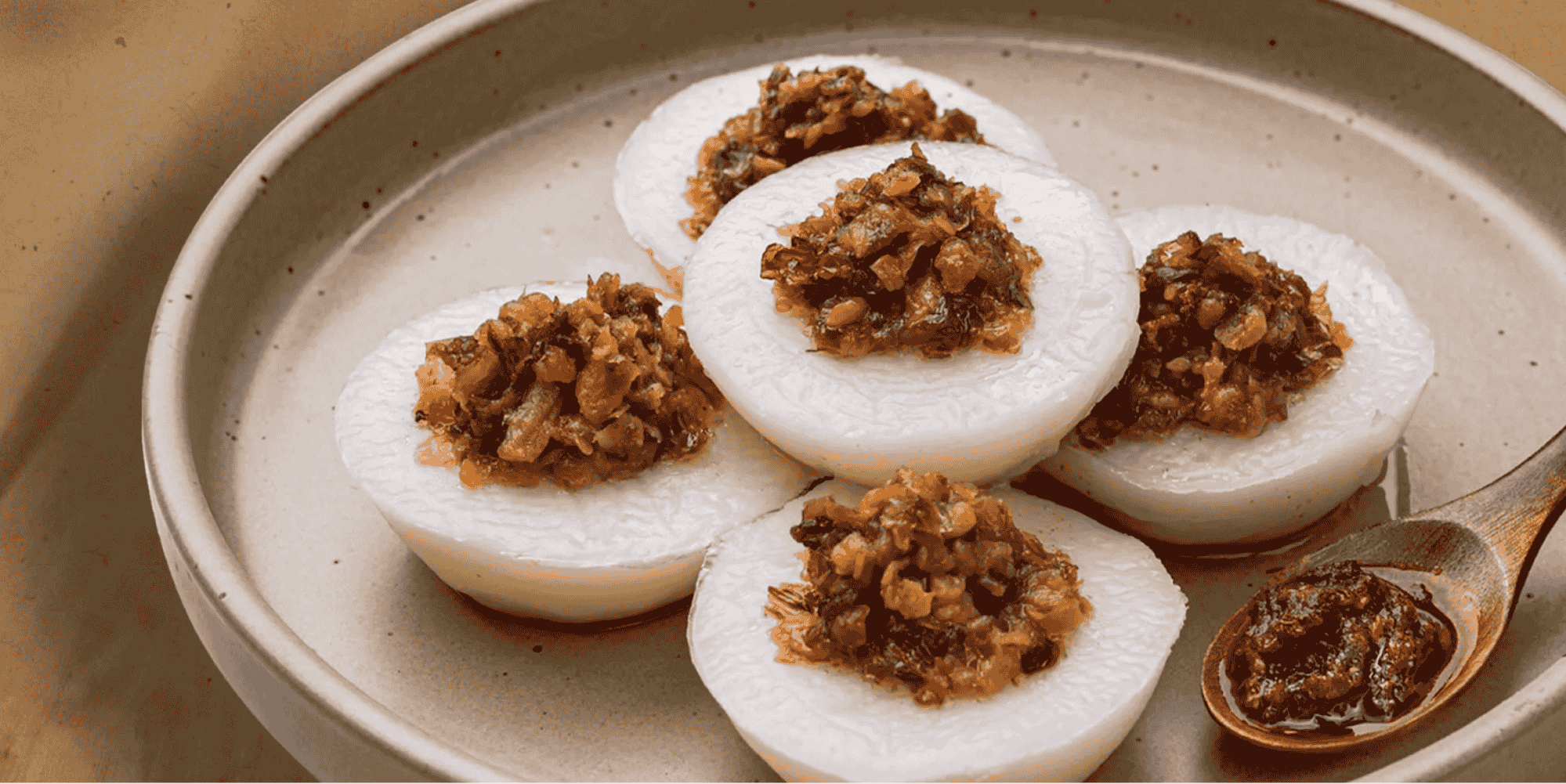
If you're looking to try this traditional dish, you'll want to visit the very best stalls. Based on reputation, taste, and customer reviews, here's my guide to the top 5 chwee kueh stalls that have earned their place in Singapore's competitive hawker scene.
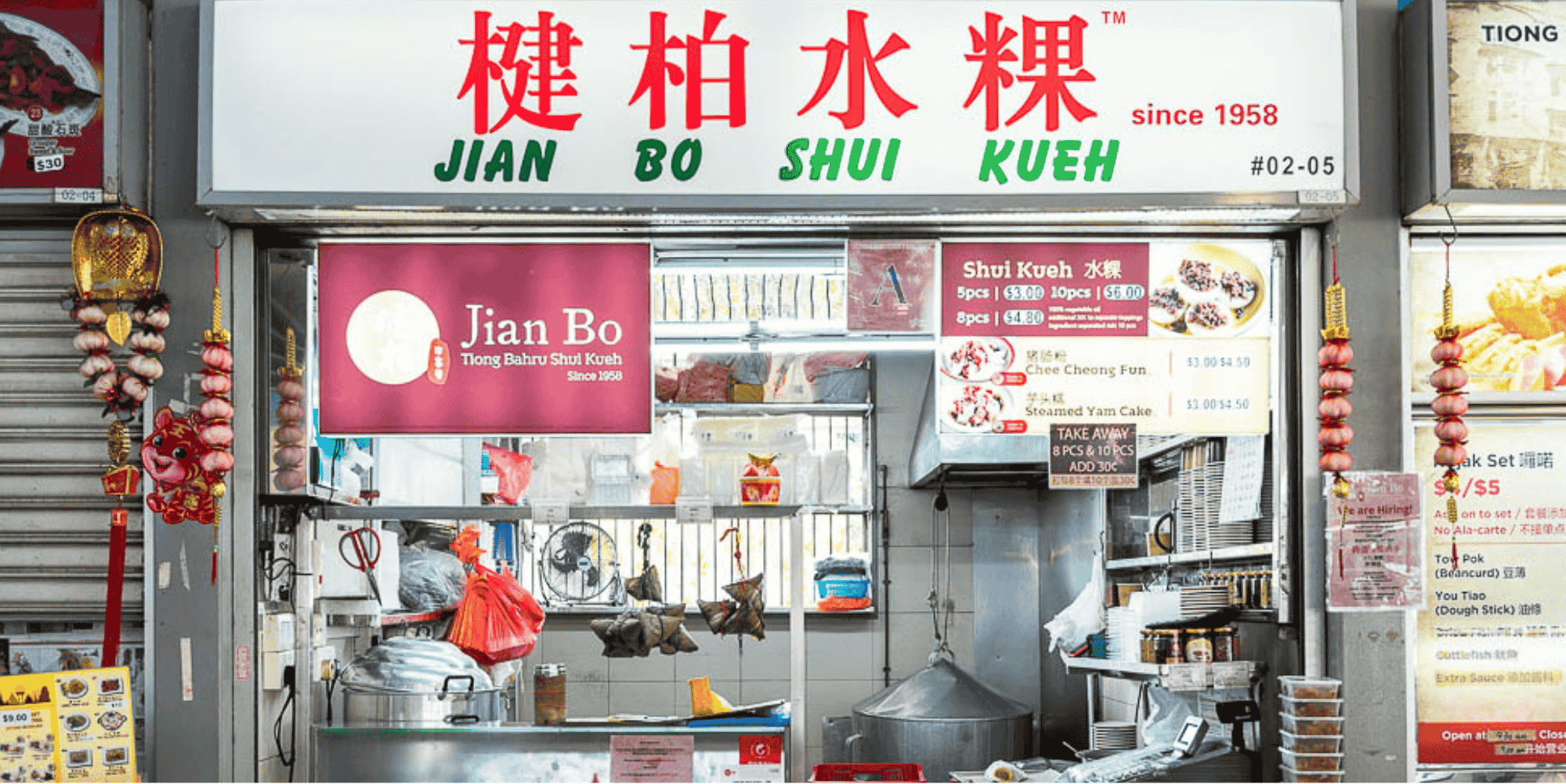
Location: #02-05, Tiong Bahru Market, 30 Seng Poh Road
Founded in 1958, Jian Bo Shui Kueh has stood the test of time and expanded to 16 outlets across Singapore – but true food lovers know the original Tiong Bahru location remains special.
What makes their chwee kueh stand out is the perfect balance between the soft rice cake and the flavorful preserved radish topping. The steamed rice cakes have a strong rice flavor that pairs wonderfully with their perfectly seasoned chai poh, which isn't too sweet or salty. Their sambal chili adds just the right kick to complete the experience.
Key takeaways:
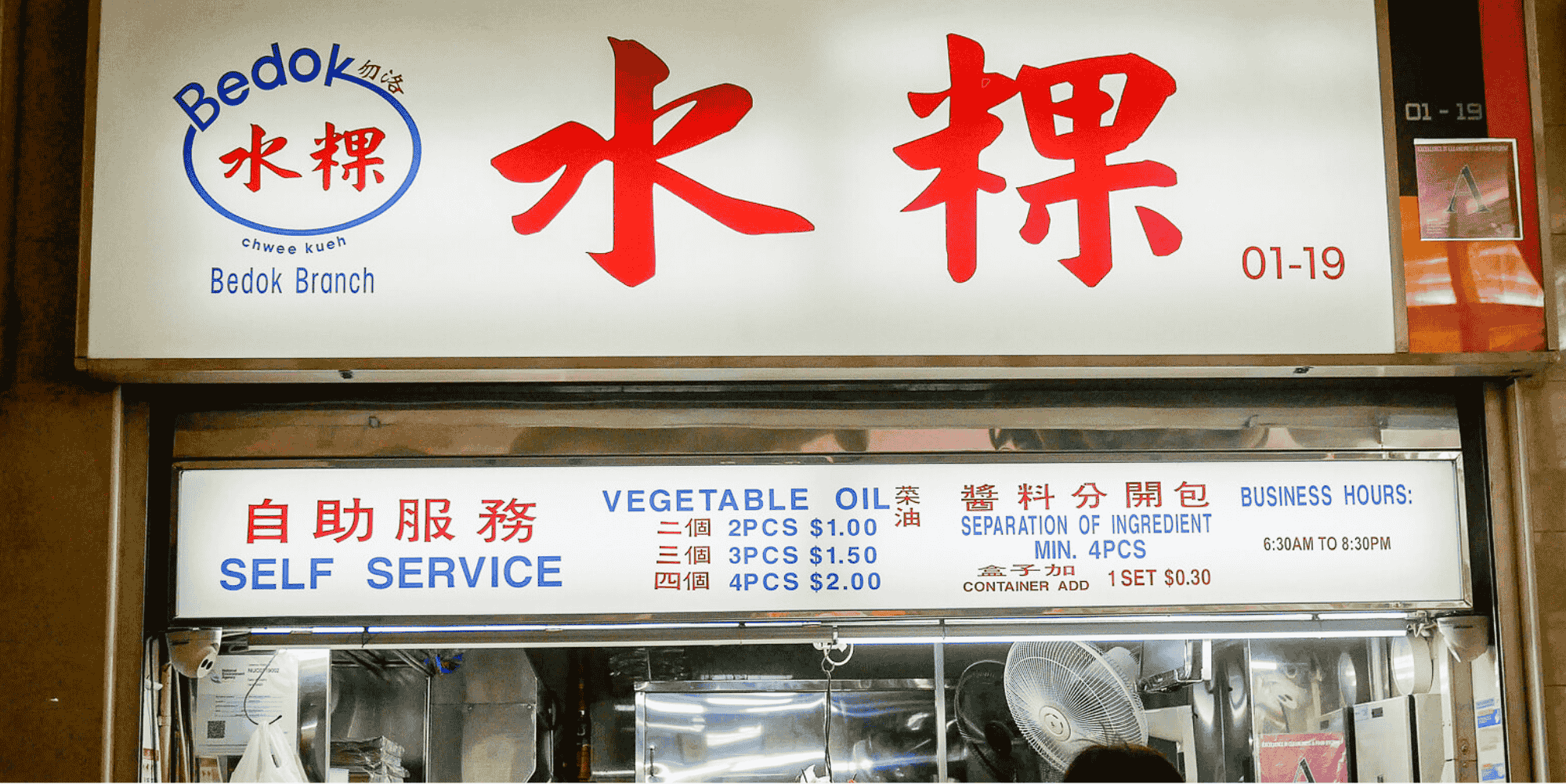
Location: Chinatown Complex Hawker Centre
Despite its name suggesting an eastern location, Bedok Chwee Kueh's Chinatown Complex branch is considered by many to offer their best quality. What sets this outlet apart is the extra care they put into warming the steamed rice cakes, maintaining that perfect tender and moist texture that chwee kueh lovers crave.
Their chai poh has a beautiful light brownish golden color with the perfect crunch. The preserved radish offers an umami-rich flavor profile that's savory with just a touch of sweetness. While traditionally made with lard, they now use vegetable oil for their stewed chai poh, making it suitable for more dietary preferences.
Key takeaways:
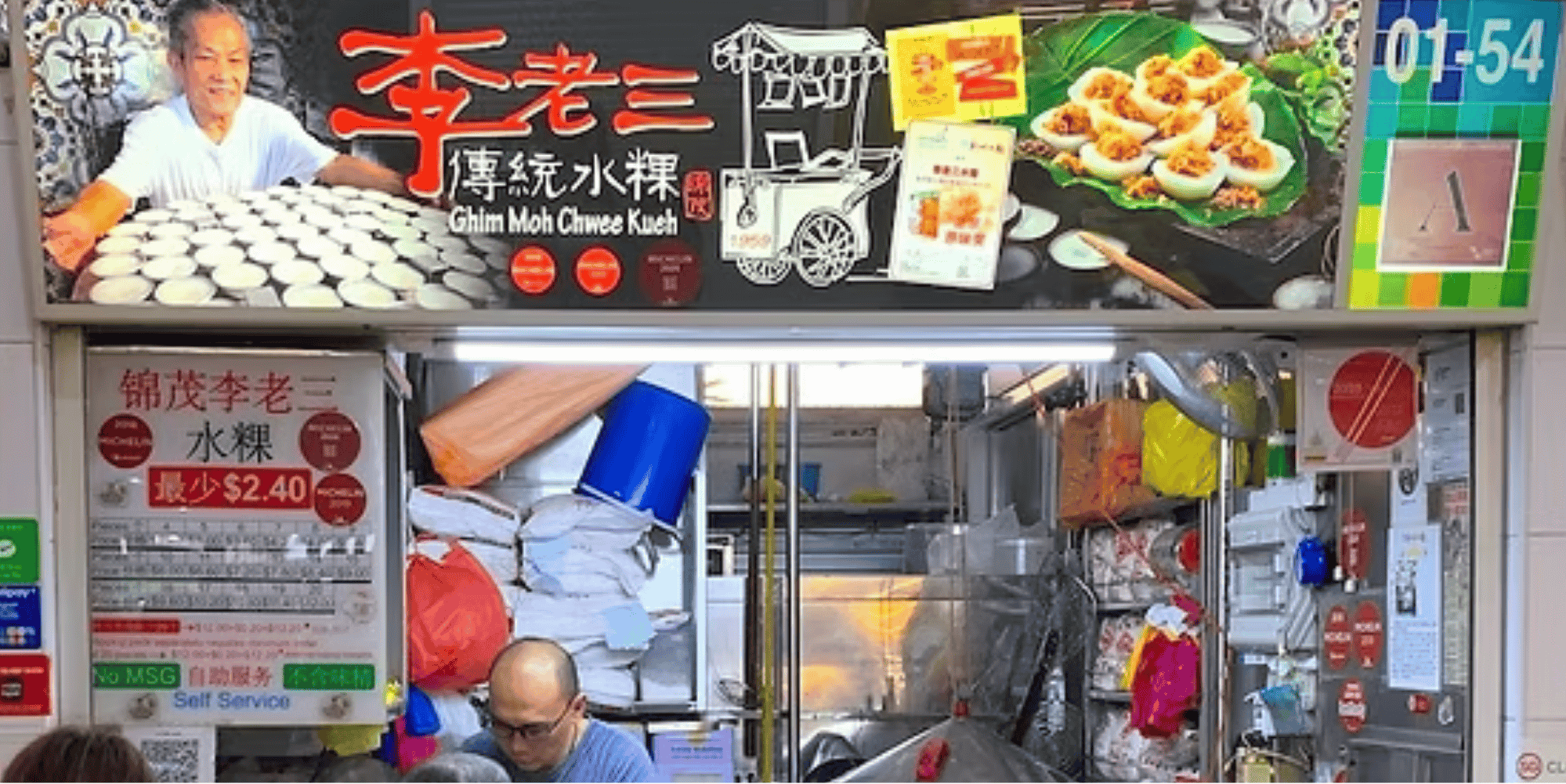
Location: 20 Ghim Moh Road Market & Food Centre #01-06
Tucked inside the lively Ghim Moh Road Market & Food Centre in Singapore’s Queenstown district, Ghim Moh Chwee Kueh has been delighting locals since 1959. The stall still uses the original method — the rice cakes have a firm-but-tender texture, and the topping is cooked in pork lard for a deep, fragrant richness.
What makes this place stand out is its commitment to tradition in an age of fast food hawker twists. Their chwee kueh retains its signature dimpled shape (perfect for holding the topping) and is served daily from early morning to around 5 pm. Locals and visitors alike praise it as an authentic taste of Singapore’s culinary heritage — though some say the flavour leans bold and old-school compared to more modern takes.
Key takeaways:
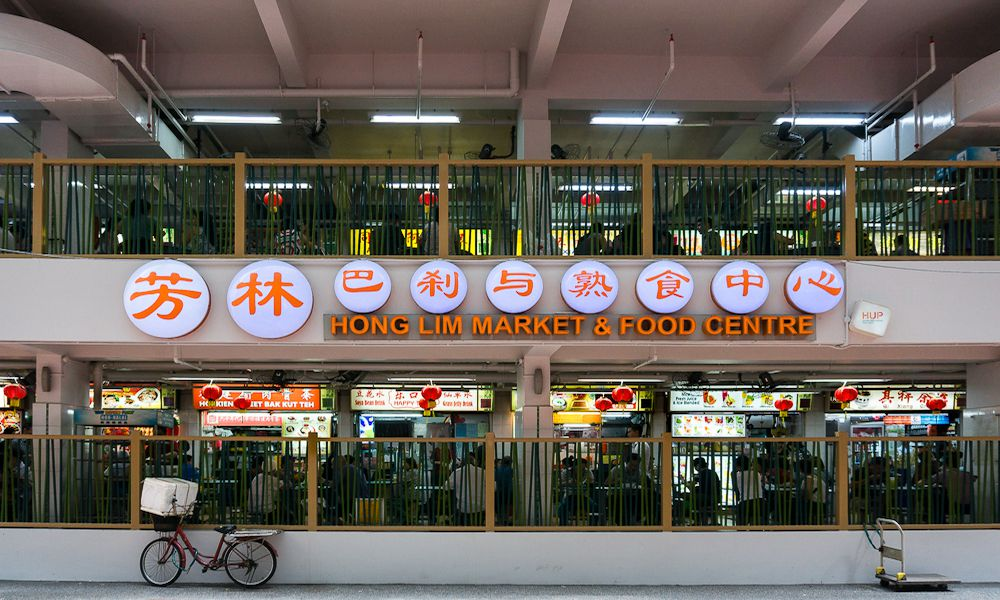
Location: Hong Lim Market & Food Centre
Hong Lim Market is one of Singapore's oldest and most respected hawker centers, home to many Michelin-recognized stalls. The chwee kueh offerings here represent the dish in its most authentic form.
What stands out about the chwee kueh at Hong Lim is the texture contrast – soft, slightly wobbly rice cakes topped with crispy, fragrant chai poh. The generous amount of preserved radish topping provides an intense savory punch that keeps customers coming back.
Key takeaways:
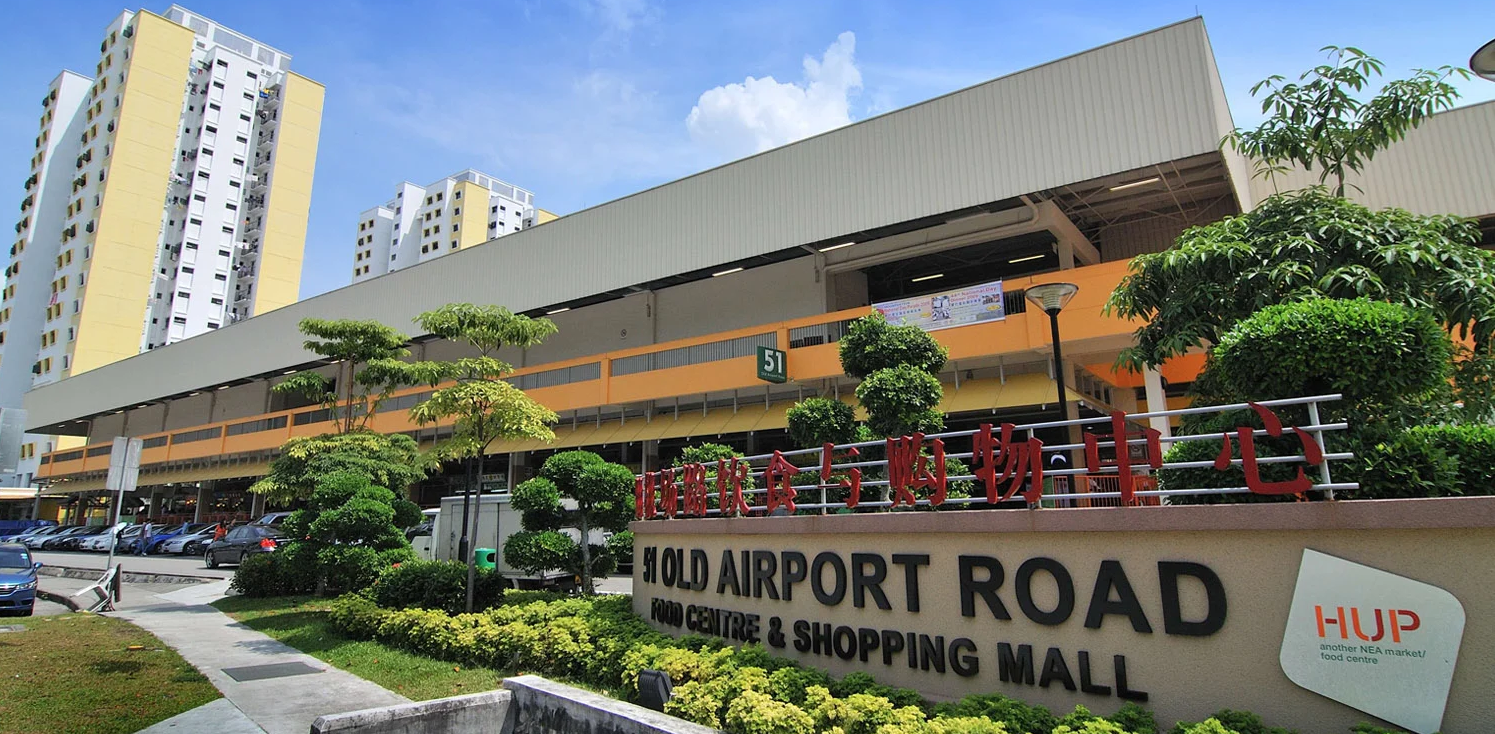
Location: Old Airport Road Food Centre
Old Airport Road Food Centre is consistently rated as one of Singapore's best hawker centers, and its chwee kueh options uphold this reputation. The rice cakes here hit that sweet spot of being firm enough to hold their shape while still maintaining the soft, melt-in-your-mouth quality that defines great chwee kueh.
The chai poh is cooked to perfection – not too oily, with the ideal balance of sweet and savory notes. Their homemade chili sauce adds the perfect amount of heat without overwhelming the delicate flavors of the dish.
Key takeaways:
Understanding what sets apart the best chwee kueh can help you appreciate this simple yet complex dish:
When you visit these top stalls, here's what to expect:
Chwee kueh is more than just a tasty snack – it's a connection to Singapore's cultural heritage. This Teochew dish has been a breakfast staple for generations of Singaporeans, evolving from a humble home-cooked meal to a beloved hawker center classic.
The dish has survived Singapore's rapid modernization, remaining largely unchanged while continuing to win new fans. Its simplicity, affordability, and distinctive flavor profile represent the essence of Singapore's food culture – unpretentious yet deeply satisfying.
An interesting development in the chwee kueh scene is the rise of factory production. As noted with Bedok Chwee Kueh, many stalls now receive their steamed rice cakes from centralized production facilities.
While this ensures consistency and helps keep costs down, it has contributed to the decline of independent chwee kueh makers who prepare everything by hand. The key differentiator now often comes down to how well each stall prepares the chai poh topping and warms the pre-made rice cakes.
The stalls featured in this list have maintained their quality despite these industry changes, with some still making their rice cakes from scratch daily.
Singapore's best chwee kueh stalls offer a window into the nation's culinary soul – simple ingredients transformed through skill and tradition into something truly special. Whether you're a first-time visitor or a longtime local, these five stalls represent the finest examples of this beloved dish.
From the Michelin-recognized quality of Bedok Chwee Kueh and Ghim Moh Chwee Kueh to the time-tested perfection of Jian Bo Shui Kueh, each offers a slightly different take on this classic. The differences may seem subtle to newcomers, but they inspire fierce loyalty among regular customers who have their clear favorites.
Next time you're exploring Singapore's food scene, make sure to carve out time for a chwee kueh experience. This humble dish might not have the international fame of some other Singapore foods, but it offers an authentic taste of local culinary tradition that shouldn't be missed.
.png)
Corporate travel in Singapore depends on more than arranging a vehicle for an executive, client or visiting delegation. The quality of the service is reflected in how carefully each journey is planned, communicated and managed from pickup to drop-off.
.png)
Getting around Johor Bahru is straightforward when the journey only involves one pickup and one destination. It becomes a different kind of booking once Senai Airport, several stops, meetings across different parts of Johor or a longer journey to Desaru enter the itinerary.
.png)
Booking a chauffeur in Singapore is easy enough. The more useful question is what happens once the journey becomes more demanding: a Changi arrival shifts, several meetings run back-to-back, or an executive's schedule changes halfway through the day.


Fixed rates, 24/7 operations, flight-tracked pickups. PAL handles the ground transportation.


.png)
.png)
.png)
.png)
.png)
.png)
.png)
.png)
.png)