
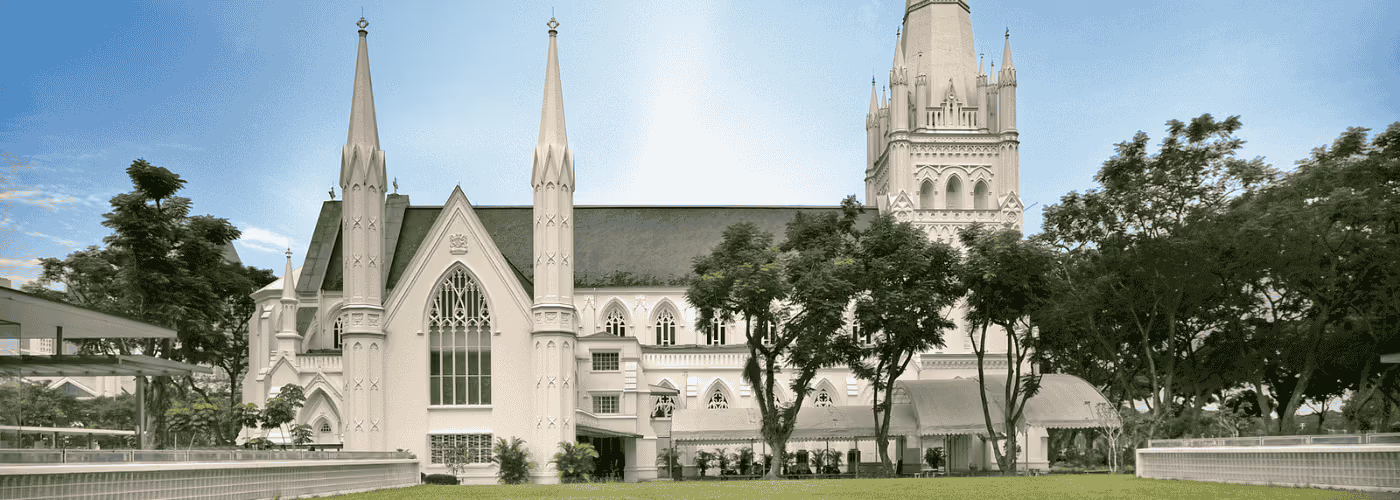
Discover why St Andrew's Cathedral is a must-visit Singapore landmark. From stunning stained glass to colonial history, find everything you need for an unforgettable visit.
Ever wondered what it feels like to step inside a piece of living history in the heart of Singapore's bustling downtown? St Andrew's Cathedral, with its striking white façade and soaring gothic arches, offers precisely that experience. This isn't just another colonial building—it's the largest and oldest Anglican cathedral in Singapore, a spiritual sanctuary amidst the urban landscape, and a historical treasure that has witnessed the nation's transformation.
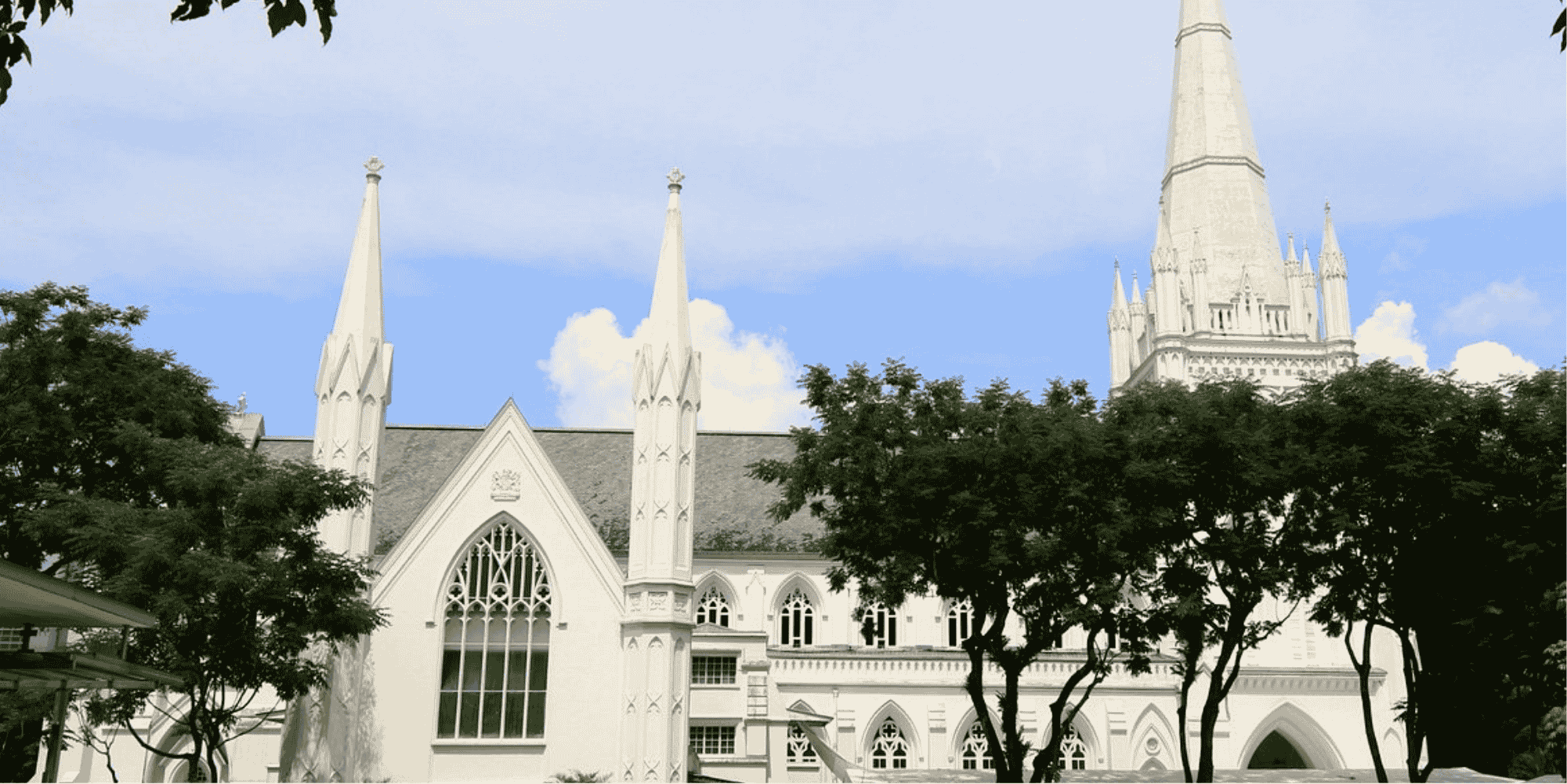
Standing prominently across from the National Gallery Singapore in the Civic District, St Andrew's Cathedral captures the imagination with its elegant architecture and rich stories. Whether you're a history enthusiast, architecture lover, or spiritual seeker, this national monument offers a compelling glimpse into Singapore's past while serving as an active place of worship today.
In this comprehensive visitor's guide, you'll explore everything you need to know to make the most of your visit to St Andrew's Cathedral—from its fascinating history and architectural features to practical visiting information and insider tips. Let's begin the journey through one of Singapore's most significant historical landmarks.
St Andrew's Cathedral's story is as fascinating as the building itself, spanning nearly two centuries of Singapore's history:
Inside, the cathedral houses memorial plaques and beautiful stained-glass windows dedicated to prominent figures in Singapore's history, including Sir Stamford Raffles, Dr. John Crawfurd, and Major-General William Butterworth. A special plaque commemorates the victims of the 1915 Sepoy Mutiny, adding another layer to the cathedral's historical significance.
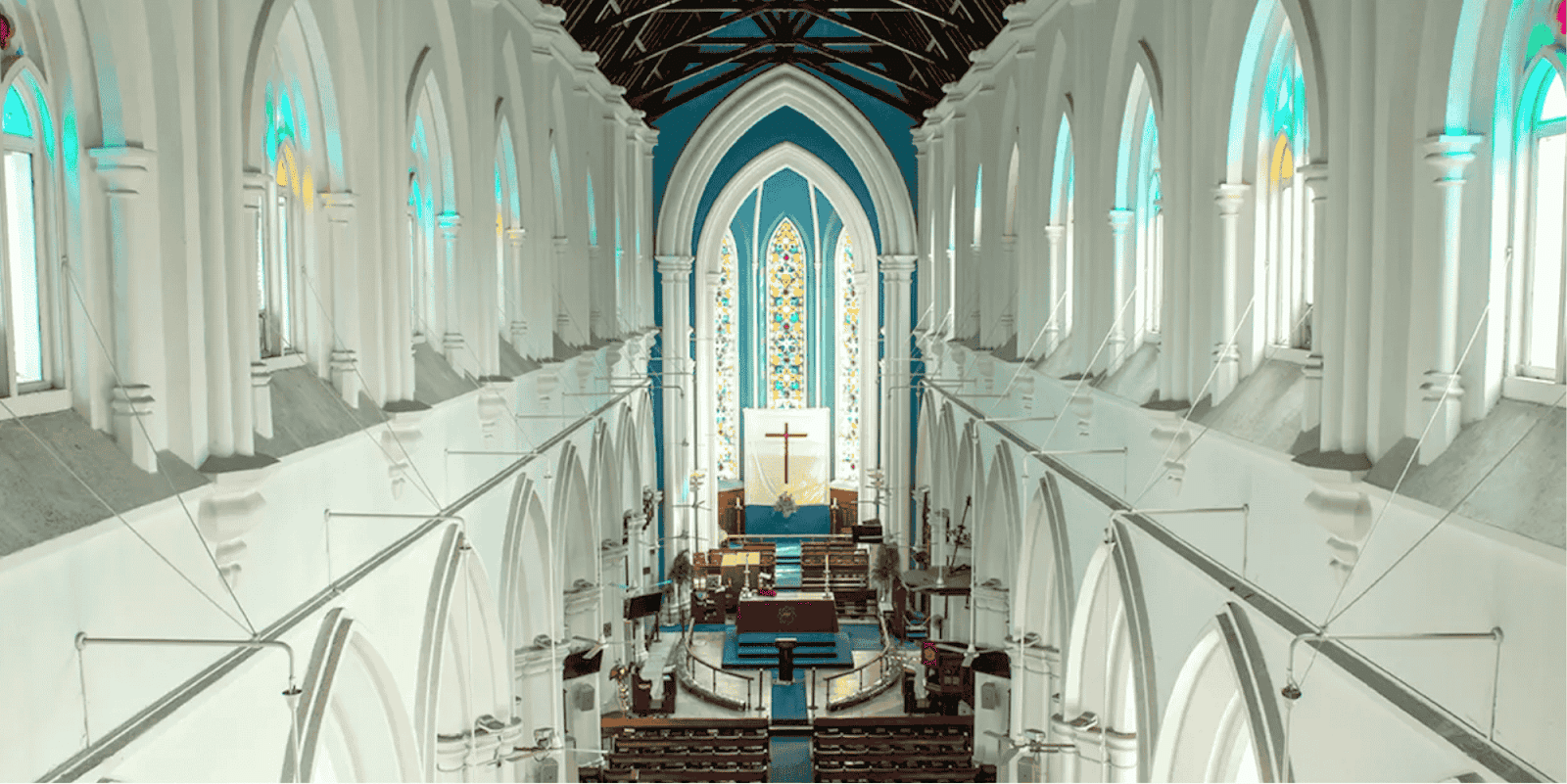
St Andrew's Cathedral stands out for its distinctive Neo-Gothic architectural style, which is particularly remarkable in tropical Singapore:
The cathedral's grand and distinctive design reflects the influence of European ecclesiastical architecture while adapting to Singapore's tropical climate. This architectural adaptation makes it not just historically significant but also a testament to colonial-era engineering and design.
St Andrew's Cathedral is ideally located in Singapore's downtown core:
The cathedral welcomes visitors throughout the week:
When visiting St Andrew's Cathedral, make sure to:
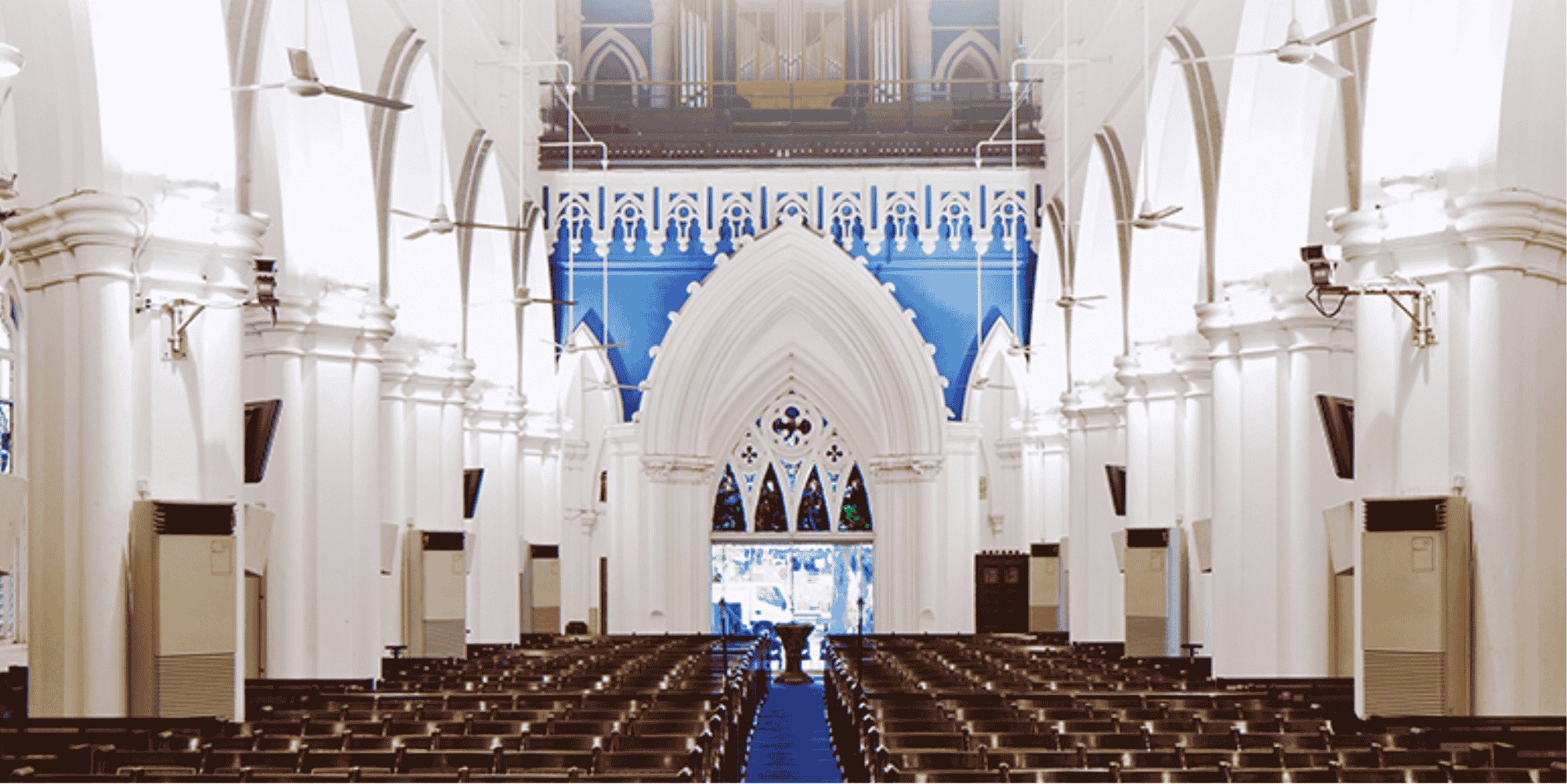
While St Andrew's Cathedral remains an active place of worship, its significance extends beyond religion:
To make the most of your visit to St Andrew's Cathedral:
St Andrew's Cathedral represents an important piece of Singapore's colonial heritage and demonstrates the religious diversity that characterizes the nation today:
St Andrew's Cathedral offers visitors a unique blend of historical significance, architectural beauty, and cultural importance. As one of Singapore's oldest landmarks, it provides a window into the nation's colonial past while continuing to serve as an active place of worship and community service.
Whether you're drawn to its Neo-Gothic architecture, interested in Singapore's history, or simply seeking a moment of peace in the bustling city, St Andrew's Cathedral deserves a place on your Singapore itinerary. Its accessibility, central location, and free entry make it an easy addition to any sightseeing plan, while its rich stories and beautiful details reward those who take the time to explore it thoughtfully.
Ready to immerse yourself in the rich history and stunning architecture of St Andrew's Cathedral? To make your visit even more enjoyable and stress-free, consider booking a professional chauffeur service for your transportation arrangements.
With door-to-door service, you'll have the convenience of a comfortable ride directly to the cathedral and other nearby attractions, letting you focus on the beauty and culture of Singapore without the hassle of navigation or parking. Elevate your exploration of this iconic landmark by ensuring that your journey is as memorable as the destination!
.png)
Corporate travel in Singapore depends on more than arranging a vehicle for an executive, client or visiting delegation. The quality of the service is reflected in how carefully each journey is planned, communicated and managed from pickup to drop-off.
.png)
Getting around Johor Bahru is straightforward when the journey only involves one pickup and one destination. It becomes a different kind of booking once Senai Airport, several stops, meetings across different parts of Johor or a longer journey to Desaru enter the itinerary.
.png)
Booking a chauffeur in Singapore is easy enough. The more useful question is what happens once the journey becomes more demanding: a Changi arrival shifts, several meetings run back-to-back, or an executive's schedule changes halfway through the day.


Fixed rates, 24/7 operations, flight-tracked pickups. PAL handles the ground transportation.


.png)
.png)
.png)
.png)
.png)
.png)
.png)
.png)
.png)