Explore the Sultan Abdul Samad Building in Kuala Lumpur
1. Hill Street Tai Hwa Pork Noodle (Crawford Lane)
Key Takeaway: The only Michelin-starred bak chor mee in Singapore, offering a perfect balance of flavors in their signature vinegar-chili sauce.
Since earning its Michelin star in 2016, Hill Street Tai Hwa has become a Singapore food icon. Owner Tang Chay Seng inherited the recipe from his father and has maintained the exceptional quality that earned this humble stall international recognition.
What makes it special:
Perfect balance of vinegar and chili in their sauce
Meticulously prepared ingredients, including hand-minced pork
Noodles cooked to perfect springiness
Rich flavor from housemade pork lard
Tang starts his day at 6 a.m. to prepare his signature sauces and lard, showing the dedication that goes into each bowl. The dry version with chili is his personal favorite and the most popular order among customers.
Location: Block 466 Crawford Lane, #01-12 Hours: 9:30am–8pm (Closed on 1st and 3rd Mondays of the month) Must-try: Signature bak chor mee with extra chili
2. Tai Wah Pork Noodle (Hong Lim Market)
Key Takeaway:A Bib Gourmand awardee serving exceptional noodles with generous toppings and a perfectly balanced sauce.
Not to be confused with Hill Street Tai Hwa, this stall at Hong Lim Market has earned its own Michelin Bib Gourmand recognition. Their bak chor mee offers that perfect tangy flavor profile with noodles that have just the right bite.
What makes it special:
Generous portions of minced meat, meatballs and liver
Well-balanced, slightly more vinegar-forward sauce
Consistently good quality and texture across all components
A richer, more robust soup compared to other stalls
The stall often has queues, but the efficient service means you won't wait too long for your bowl.
Location:Hong Lim Market & Food Centre, #02-16 Hours:7:30am–3pm (Closed on Mondays) Must-try:Dry bak chor mee with extra vinegar mushrooms
Explore KL's most iconic landmark for best photo spots, and visiting hours. Plan the perfect visit to the Sultan Abdul Samad Building
The Sultan Abdul Samad Building is a crown jewel in Kuala Lumpur’s bustling city center. If you are planning your first visit, this guide will help you make the most of your journey. We will cover everything from rich historical backgrounds and striking architecture to the best time to visit, how to reach the site, nearby attractions, and more. Let’s dive into one of Malaysia’s most celebrated historical landmarks.
Why the Sultan Abdul Samad Building is a Must-Visit Historical Landmark
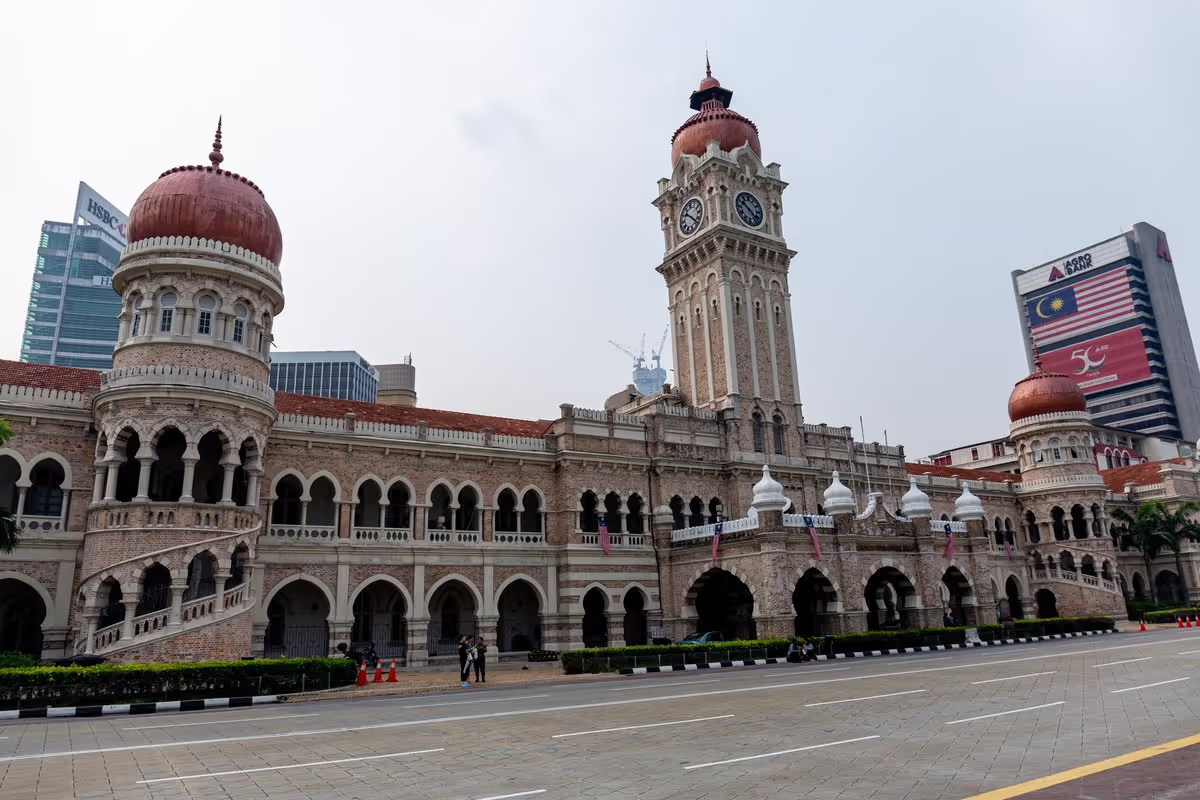
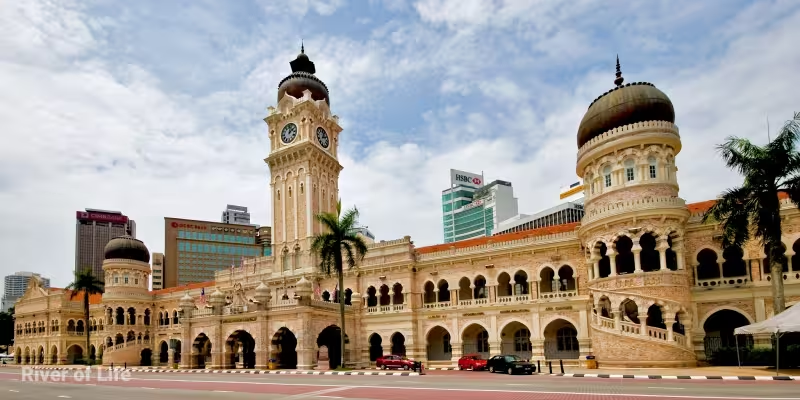
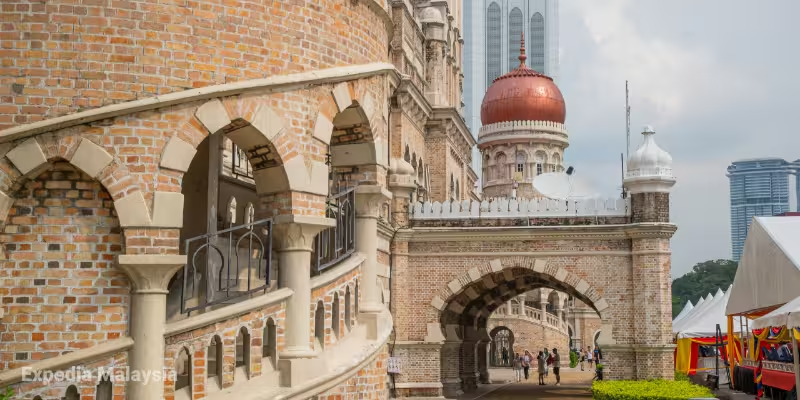
The Sultan Abdul Samad Building stands as a testament to Malaysia’s storied past. Built in 1897, this iconic structure showcases a fascinating mix of Moorish, Islamic, and Victorian architectural styles. Its unique design and historical background make it one of Kuala Lumpur’s most famous tourist spots.
Historical Importance: It served as the British colonial administration office and later became the stage for Malaysia’s independence proclamation on August 31, 1957. Today, the building houses the Ministry of Information, Communications, and Culture, which adds to its importance as a living piece of history.
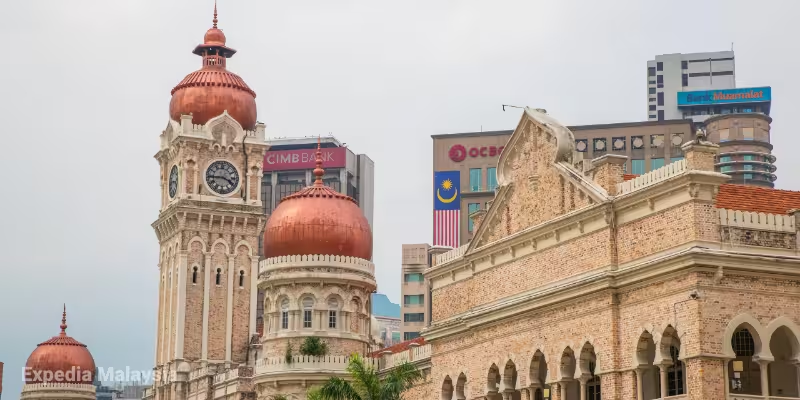
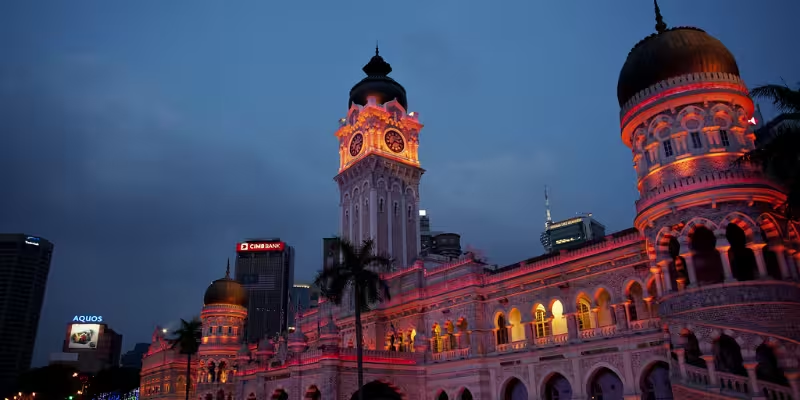
Architectural Beauty: With its 41.2-meter high clock tower (often nicknamed “Big Ben”), stunning copper domes, and red brick façade, the building is an architectural gem. The LED-illuminated façade at night offers a breathtaking view and is ideal for photography.
Cultural Relevance: Set against the backdrop of Merdeka Square (Dataran Merdeka), the building is a symbol of Malaysia’s struggle for and achievement of independence. Its location at the confluence of the Gombak and Klang rivers adds to the city’s charm and historical narrative.
How to Get There: A Guide to Public Transport and Accessibility
Getting to the Sultan Abdul Samad Building is easy and convenient. The landmark is located along Jalan Raja, facing the expansive Merdeka Square in Kuala Lumpur’s heart. Here’s how you can plan your trip:
By Public Transport
LRT (Light Rail Transit): The Masjid Jamek station is the nearest LRT station. Once you exit at this station, it’s about a 10-minute walk to the building. Tip: Ensure you wear comfortable shoes for the walk.
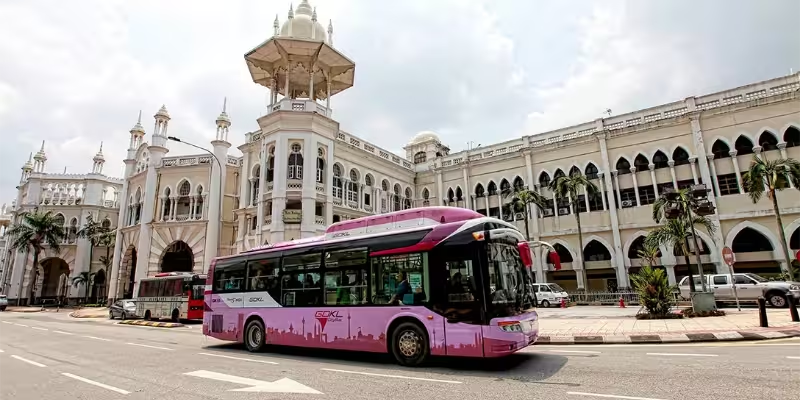
City Bus: You can take the Go KL City Bus Red Line and get off at the Dataran Merdeka stop. This bus route is ideal for tourists as it covers many of Kuala Lumpur’s key destinations.
Taxi or Ride-Hailing Services: Taxis and ride-hailing apps like Grab are widely available in Kuala Lumpur. If you prefer a direct route, these services provide a hassle-free experience.
By Car
If you are driving, look for nearby public parking spaces. However, traffic in Kuala Lumpur can be busy, especially during peak hours. It is recommended to use public transport if you want a smooth experience.
Key Takeaway
The public transport options not only ease your journey but also help you avoid the stress of finding a parking space in a busy city center.
History and Architecture: A Journey Through Time
The historical and architectural significance of the Sultan Abdul Samad Building is immense. It is a blend of rich cultural influences that reflect Malaysia’s past.
A Glimpse into History
Colonial Administration: The building was originally constructed as the administrative headquarters for the British colonial government. This role continued well into the mid-20th century, setting the stage for many pivotal moments in Malaysian history.
Independence Landmark: Located in Merdeka Square, the building witnessed the moment when Malaysia proclaimed its independence. The lowering of the Union Jack and the raising of the Malaysian flag are events etched forever in the nation’s history.
Government Offices: Over the years, the building has housed several government offices, including the Federal Court of Malaysia and the Ministry of Information, Communications, and Culture. Its multifaceted history enriches every visit.
Architectural Masterpiece
Moorish, Islamic, and Victorian Fusion: The facade is a perfect blend of multiple architectural styles, including Moorish arches, Islamic influences, and Victorian lines. This fusion not only makes the building aesthetically pleasing but also tells the story of different cultural influences unified in one landmark.
Standing Features:
Clock Tower: The 41.2-meter high clock tower is one of the building’s most striking features.
Copper Domes & Red Brick Façade: These elements combine to give it a majestic look that attracts millions of photographers.
Curved Colonnades: The 138-meter-long façade with its gracefully curved colonnades further adds to its beauty.
Best Time to Visit and Essential Tips
When planning your visit, knowing the best time to visit the Sultan Abdul Samad Building in Kuala Lumpur can enhance your overall experience. Your timing can impact the quality of your visit, comfort levels, and even the photography outcomes.
Ideal Visiting Hours
Early Morning: Sunrise offers a soft, natural light that’s perfect for photography. The building and its surroundings are less crowded, making it an ideal time to take in the full grandeur of the architecture.
Late Afternoon: The golden hour before sunset provides great lighting, and the temperatures are more comfortable compared to midday heat.
Night-Time Viewing: While the building’s interior is generally closed to the public (unless you join an organized tour), its exterior is illuminated beautifully at night. This creates a striking visual effect that you won't want to miss.
Seasonal Variations
Dry Season: Visit during Kuala Lumpur’s dry season to avoid sudden downpours. The weather is more conducive for a relaxed stroll around Merdeka Square and capturing clear, crisp images.
Festival Periods: During national celebrations—especially around Independence Day (Merdeka Day)—the area comes alive with events and parades. While these events can make the area busier, they also offer a unique glimpse into the cultural festivities that define Malaysia.
What to Bring
Sunscreen & Hat: Protect yourself from the tropical sun.
Comfortable Walking Shoes: The area around the building includes several attractions, so be prepared to walk.
Water Bottle: Stay hydrated on your tour.
Camera: Carry your camera or smartphone to capture stunning visuals.
Modest Clothing: As you visit historical sites and nearby cultural landmarks like mosques, dress conservatively.
Key Takeaways
Consider the weather and your personal schedule before your visit. Arriving early in the morning or late in the afternoon can make your exploration stress-free and more enjoyable.
Exploring Nearby Attractions
While the Sultan Abdul Samad Building is a star attraction, Kuala Lumpur is dotted with other cultural and historical sites that you should not miss. Here are some key nearby attractions that complement your visit:
Merdeka Square (Dataran Merdeka)
Historical Significance: This is the very ground where Malaysia declared its independence. The square is flanked by colonial buildings and features a 95-meter tall flagpole that stands as a symbol of national pride.
Events: The square is the venue for annual Independence Day parades and other cultural events.
Masjid Jamek
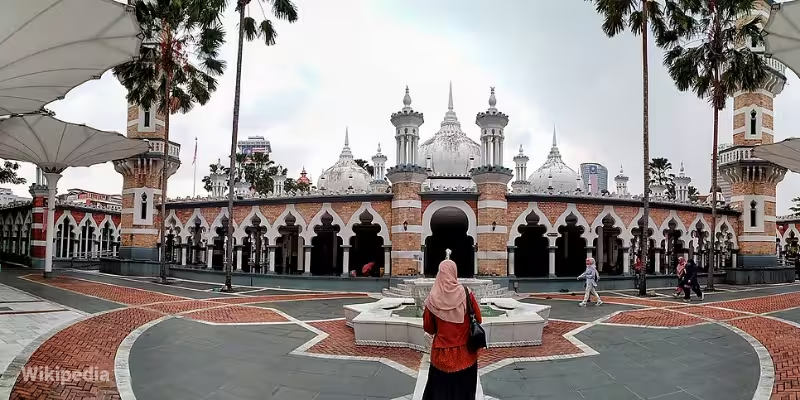
Architectural Marvel: One of Kuala Lumpur’s oldest mosques, Masjid Jamek is situated at the confluence of the Klang and Gombak rivers.
Cultural Hub: It provides a serene contrast to the busy city center and offers insights into Islamic architecture and culture.
Central Market (Pasar Seni)
Cultural Oasis: This vibrant market is a treasure trove of local arts, crafts, and cultural souvenirs. It’s the perfect place to buy traditional Malaysian handicrafts.
Local Cuisine: Enjoy a variety of local street foods and delicacies here.
Petaling Street (Chinatown)
Vibrant Atmosphere: This bustling market offers an authentic taste of Kuala Lumpur’s local culture, with vendors selling everything from clothing to street snacks.
Bargain Shopping: Practice your bargaining skills for some great deals on souvenirs.
Additional Attractions
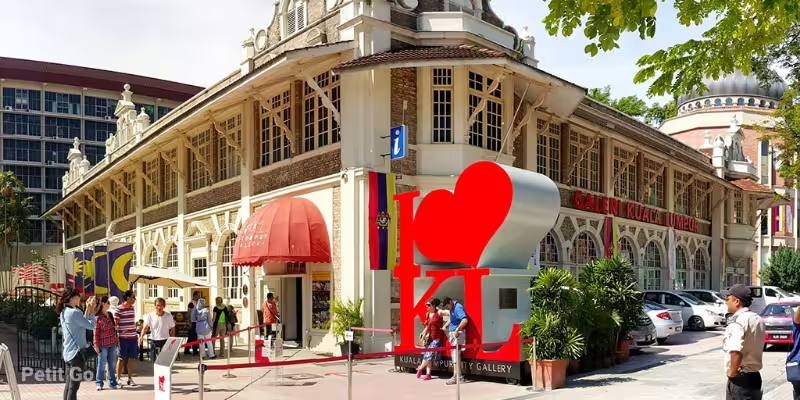
Kuala Lumpur City Gallery: Learn more about the city’s history and future through engaging exhibits.
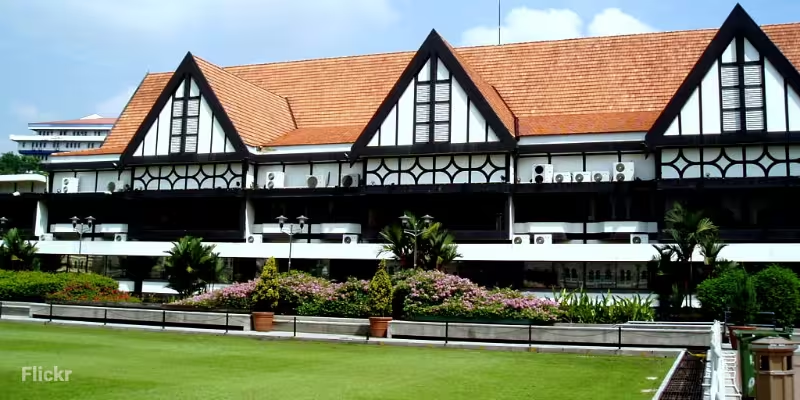
Royal Selangor Club: Another architectural beauty, this Tudor-style colonial building has its own rich history.
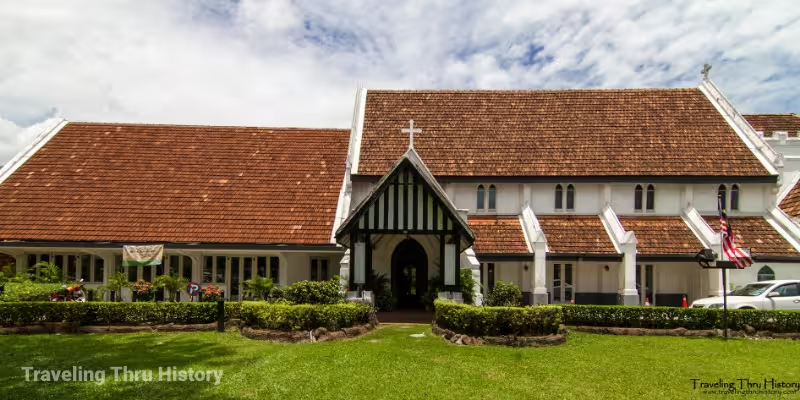
St. Mary's Church: A fine example of Gothic architecture in the heart of Kuala Lumpur.
Photo Opportunities and Unique Experiences
Photography enthusiasts will find the Sultan Abdul Samad Building a dream come true. Here’s why:
Golden Hour Photography: Capture stunning exterior shots during early morning or late afternoon when the lighting enhances the building’s details.
Night Photography: The building’s LED-illuminated facade provides a dramatic contrast against the night sky. Experiment with long-exposure shots for a creative twist.
Architectural Details: Focus on the intricate arches, clock tower, and copper domes. These details tell a story of bygone eras.
Cultural Events: If you visit during a festival or national celebration, plan your photography to capture the vibrant energy of events at Merdeka Square and nearby locations.
Panoramic Shots: The area around Masjid Jamek and the river confluence offers panoramic views that combine the natural and urban landscapes beautifully.
Photographer’s Tip:
Bring a tripod if you plan to shoot during low-light conditions to ensure clarity and sharpness in your images.
Cultural and Historical Insights
Visiting the Sultan Abdul Samad Building is not just about marveling at the architecture. It’s an opportunity to immerse yourself in Kuala Lumpur’s vibrant history and diverse cultural influences.
British Colonial Administration: The building played a pivotal role as a center of colonial governance. Walking past it, you can almost hear the echoes of historical debates and administrative decisions that shaped modern Malaysia.
Moorish Islamic Victorian Styles: The eclectic mix of styles not only distinguishes the building but also reflects the cultural fusion that defines Kuala Lumpur. This blend makes the building a unique study in the evolution of architectural tastes over time.
Modern-Day Relevance: Today, the building stands as a reminder of the past while continuing to serve governmental functions. Its presence reinforces both the heritage and the ongoing modernization of Kuala Lumpur.
Did You Know?
Kuala Lumpur got its name from the muddy confluence of the Gombak and Klang rivers, which is reflected in the area’s unique urban layout. The building’s location here is a reminder of the city’s humble beginnings and its journey towards becoming a modern metropolis.
Tips for an Enjoyable Visit
To ensure you have the best experience possible, keep these tips in mind:
Plan Ahead: Check the weather forecast and try to schedule your visit during the early morning or late afternoon.
Stay Hydrated: Carry enough water and take breaks as you explore each site.
Be Prepared for Crowds: Historical landmarks attract numerous visitors. If you prefer a quieter visit, plan for weekdays or off-peak hours.
Wear Appropriate Footwear: With a walking tour that covers multiple sites, comfortable shoes are essential.
Capture the Moments: Bring your camera or smartphone. The blend of historical essence and modern touches provides excellent content for your social media feed.
Conclusion
The Sultan Abdul Samad Building in Kuala Lumpur offers an unmatched historical and cultural experience. Whether you are drawn in by its architectural beauty or its pivotal role in Malaysian history, planning your visit during the right time can make all the difference. Early mornings and late afternoons present optimal conditions for sightseeing and photography. With easy access via public transport, a wealth of nearby attractions, and practical tips on what to bring, you are now fully equipped to explore this iconic landmark.
Start your journey by experiencing the blend of British colonial administration, Moorish Islamic influences, and Victorian elegance—all under one roof. This landmark not only stands as a symbol of Malaysia’s past but also continues to inspire awe in every visitor with its storied legacy.
Plan your trip today and experience the timeless charm of Sultan Abdul Samad Building. If you’re looking to dive deeper into Kuala Lumpur’s history and culture, take advantage of guided tours and explore the vibrant areas around Merdeka Square. Your adventure awaits!
Planning Ahead?
Professional chauffeur service for airport transfer and corporate travel across Southeast Asia
How to Choose a Corporate Chauffeur Service in Bangkok
Bangkok business travel is rarely defined by the distance between two addresses. A short transfer can take very different amounts of time depending on the hour, the route selected and conditions around the destination.
How to Choose a Corporate Chauffeur Service in Singapore
Corporate travel in Singapore depends on more than arranging a vehicle for an executive, client or visiting delegation. The quality of the service is reflected in how carefully each journey is planned, communicated and managed from pickup to drop-off.
Best Chauffeur Service in Hong Kong? 5 Providers to Compare
Hong Kong already has one of the most efficient public transport networks in Asia, so hiring a chauffeur is rarely about having no other way to get around.
Best Chauffeur Service in Johor Bahru? 5 Providers to Compare
Getting around Johor Bahru is straightforward when the journey only involves one pickup and one destination. It becomes a different kind of booking once Senai Airport, several stops, meetings across different parts of Johor or a longer journey to Desaru enter the itinerary.
Best Chauffeur Service in Kuala Lumpur? 5 Providers to Compare
Getting a chauffeur in Kuala Lumpur is easy enough. The real test comes when the journey stops going exactly to plan: a flight arrives late, a meeting overruns, or another stop is added halfway through the day.
Best Chauffeur Service in Singapore? 5 Providers to Compare
Booking a chauffeur in Singapore is easy enough. The more useful question is what happens once the journey becomes more demanding: a Changi arrival shifts, several meetings run back-to-back, or an executive's schedule changes halfway through the day.
Best Chauffeur Service in Hong Kong? 5 Providers to Compare
Hong Kong already has one of the most efficient public transport networks in Asia, so hiring a chauffeur is rarely about having no other way to get around.
Zhi Min didn't start PAL with a business plan. He started with a problem he'd experienced firsthand — driving 15-hour days as an Uber driver before realising corporate ground transport could be done differently.
Zhi Min didn't start PAL with a business plan. He started with a problem he'd experienced firsthand — driving 15-hour days as an Uber driver before realising corporate ground transport could be done differently.


.avif)

.avif)
%20.avif)
%20.avif)
.png)
.png)
.png)


.png)
.png)
.png)
.png)
.png)
.png)
.png)
.png)
.png)