
.avif)
Wander through Talat Noi's colorful narrow lanes and discover Bangkok's best-kept secret—an open-air gallery of incredible street art and rich history.
When you're looking for something beyond Bangkok's grand temples and bustling markets, there's a small neighborhood that offers a perfect mix of history, culture, and eye-catching art. Talat Noi (or Talad Noi) has become one of Bangkok's most exciting art districts, where colorful murals blend with centuries-old architecture to create a unique urban gallery.
As a small historic Chinese community nestled between Chinatown and the Chao Phraya River, Talat Noi (which means "small market") has transformed from a quiet trading port into an open-air canvas where traditional life and modern expression meet. Unlike Bangkok's more crowded tourist spots, this area gives you breathing room to appreciate both the art and the authentic neighborhood vibe.
The street art in Talat Noi stands out because it exists in perfect harmony with the neighborhood's rich history. Murals are painted on centuries-old buildings, telling stories that connect past and present. The art here isn't hidden away in galleries – it's part of everyday life, free for everyone to enjoy.
Many of the eye-catching murals are concentrated along Trok San Chao Rong Kueak, a narrow lane that's become an Instagram favorite. Each piece adds color and character to the weathered walls of this historic district, creating striking contrasts that photographers love.
What's especially appealing about Talat Noi's street art scene is how accessible it feels. These aren't exclusive art installations – they're public works that welcome all visitors, with no entrance fees or opening hours to worry about.
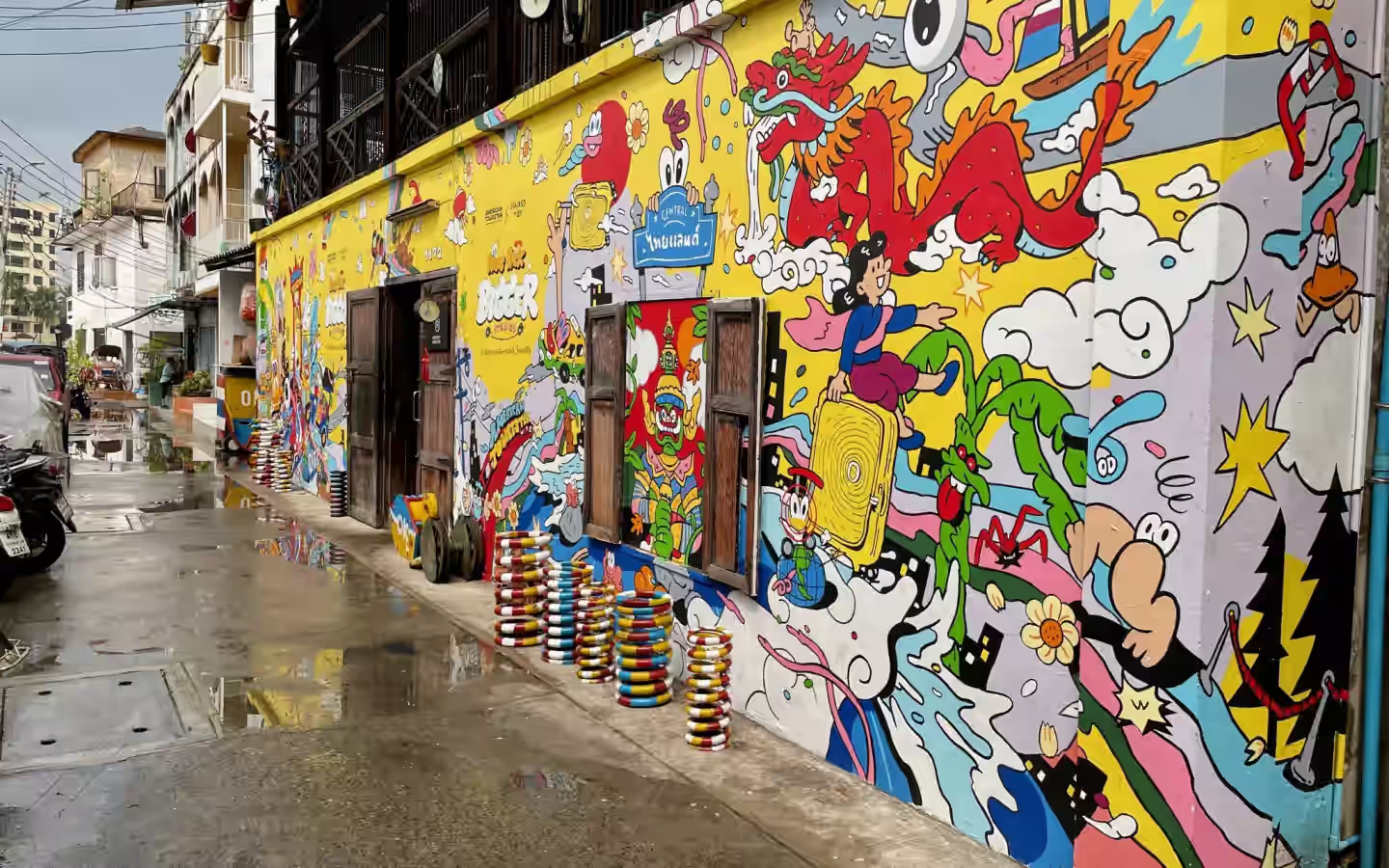
This narrow lane is the main street art hub in Talat Noi. It's usually filled with tourists during peak hours, but if you visit around 3 PM, you might find it less crowded. The alley features colorful murals that transform ordinary walls into striking art pieces.
Another hotspot for street art enthusiasts, this area features various styles of urban art. The murals here often reflect the blend of Chinese and Thai cultural influences that shape Talat Noi's identity.
The popular Mother Roaster Coffee Shop has become a landmark in Talat Noi's art scene. This repurposed two-story warehouse serves as both a café and an art space. The building itself is surrounded by impressive murals, making it a perfect starting point for your street art exploration.
Extending your walk to nearby Song Wat Road rewards you with more "ultra chic vibes" and "jaw-dropping" Western-style murals. This area connects smoothly with Talat Noi and offers additional street art spots worth checking out.
While the street art might draw you in, there's much more to discover in this historic neighborhood:

This 200-year-old Chinese-style mansion is one of Talat Noi's hidden gems. Built during Bangkok's early days (when the city was still known as Thonburi), this impressive courtyard house features traditional architecture and, surprisingly, a pool now used for scuba diving lessons! The mansion showcases impressive frescos and remains in the hands of the original family's descendants.
One of Talat Noi's most unusual attractions is its mechanical heart. This area is filled with workshops selling old car and motor parts, creating a rusty, industrial atmosphere that photographers find fascinating. If you're looking for vintage vehicle parts that seem impossible to find elsewhere, this is your spot.
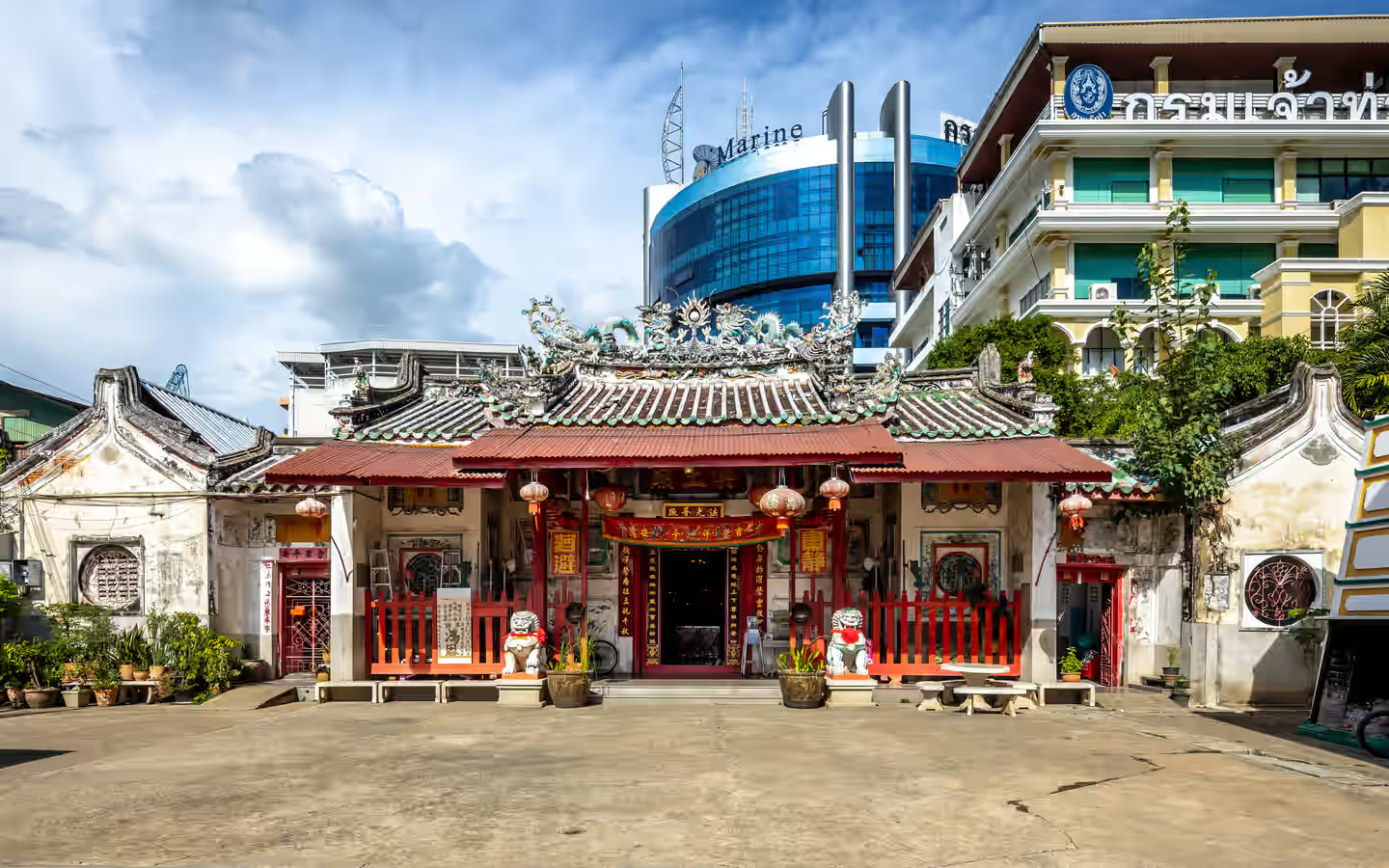
One of Bangkok's most beautiful temples, this shrine showcases ancient Hakka and Chinese architectural styles. It holds significant cultural importance for the local Chinese community and offers a glimpse into the spiritual traditions that have shaped Talat Noi over centuries.
One of Thailand's oldest Catholic churches, this architectural gem reflects the diverse cultural influences that have shaped this neighborhood over time.
All that art exploration builds up an appetite! Luckily, Talat Noi offers excellent options to refuel:
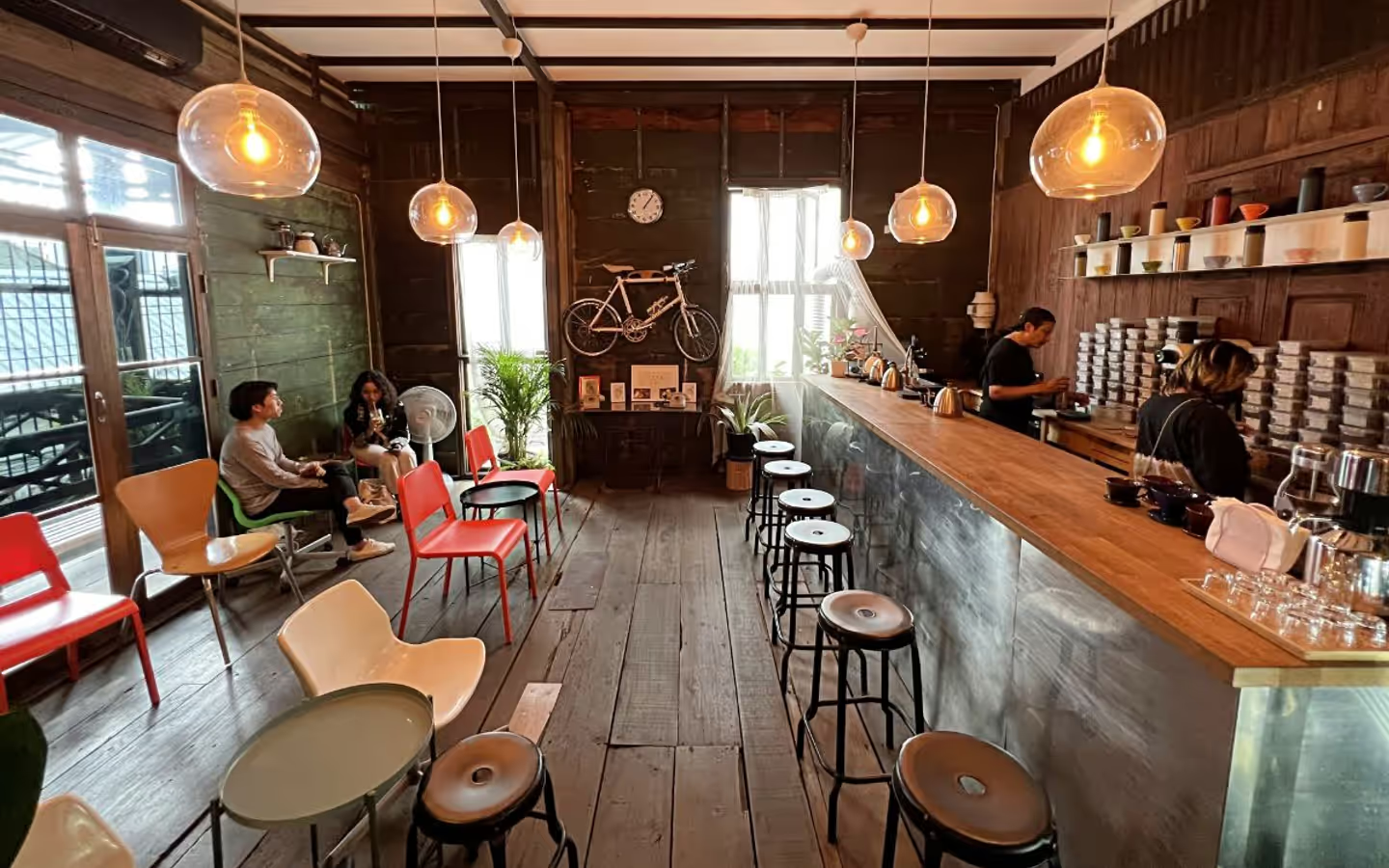
Beyond being an art landmark, Mother Roaster serves excellent coffee in a creative setting. The café occupies the second floor of a converted warehouse, while an art gallery and junk ark workshop take up the space below.
For a well-rounded experience, follow this route:
If you prefer a guided experience, several options are available:
These guided experiences typically range from $18-$89 depending on the duration and transportation type.
What makes Talat Noi's street art special isn't just its visual appeal, but its temporary nature. Unlike museum pieces protected behind glass, these murals interact with the elements, changing over time. Some will eventually fade or be painted over, making each visit to Talat Noi a unique experience.
The street art here also serves as a bridge between generations and cultures. Traditional Chinese buildings become canvases for contemporary expression, creating a visual conversation between Bangkok's past and present. This artistic evolution makes Talat Noi not just a place to visit, but a living community to experience.
Talat Noi offers one of Bangkok's most authentic art experiences, where creative expression meets genuine neighborhood character. Unlike some of the city's more commercialized attractions, this small district gives you a chance to see how art, history, and daily life seamlessly blend together.
What makes Talat Noi truly special is how it continues to evolve. The street art you see today might transform tomorrow, just as this neighborhood has transformed over centuries from a trading port to a creative hub. This constant change makes every visit unique and worth your time.
If you're planning to explore Bangkok's creative side, consider booking a chauffeur service to make your journey smoother. A professional driver can navigate Bangkok's complex streets, drop you at the most convenient entrance to Talat Noi, and be ready to pick you up when you've finished your art exploration – allowing you to focus entirely on enjoying this unique neighborhood.
PAL plans vehicle counts, pickup points, and timing before the day of the event begins, and assigns one contact across the engagement for Event Transportation Service in Bangkok for a programme on the ground, and we also coordinates Airport Transfer Service in Bangkok for the guests flying in. We are ready to support you.
.png)
Corporate travel in Singapore depends on more than arranging a vehicle for an executive, client or visiting delegation. The quality of the service is reflected in how carefully each journey is planned, communicated and managed from pickup to drop-off.
.png)
Getting around Johor Bahru is straightforward when the journey only involves one pickup and one destination. It becomes a different kind of booking once Senai Airport, several stops, meetings across different parts of Johor or a longer journey to Desaru enter the itinerary.
.png)
Booking a chauffeur in Singapore is easy enough. The more useful question is what happens once the journey becomes more demanding: a Changi arrival shifts, several meetings run back-to-back, or an executive's schedule changes halfway through the day.


Fixed rates, 24/7 operations, flight-tracked pickups. PAL handles the ground transportation.


.png)
.png)
.png)
.png)
.png)
.png)
.png)
.png)
.png)