The Grand Palace is open daily from 8:30 AM to 3:30 PM, with the last entry around 2:30 PM. It's recommended to arrive early to avoid crowds and midday heat.

Discover the magnificent Grand Palace in Bangkok with our comprehensive visitor guide. From dress codes to beating the crowds, plan your perfect visit!
The Grand Palace in Bangkok stands as Thailand's most iconic landmark, captivating millions of visitors each year with its dazzling architecture and rich cultural significance. Built in 1782, this sprawling complex once served as the royal residence and administrative center of Thailand (then called Siam), embodying the heart and soul of Thai heritage.
Whether you're planning your first visit to Bangkok or returning to appreciate this magnificent site, this guide covers everything you need to know to make your Grand Palace experience memorable and hassle-free.
The Grand Palace isn't just another tourist attraction – it's a living monument to Thailand's rich history. Covering over 218,000 square meters, the complex houses more than 100 buildings showcasing a stunning blend of Thai and European architectural styles.
While the Thai royal family moved out in the early 1900s (they now reside in Chitralada Palace), the Grand Palace remains the spiritual heart of Thailand and continues to host important royal ceremonies and state functions.

The spiritual centerpiece of the Grand Palace is Wat Phra Kaew, Thailand's most sacred temple. Inside sits the highly revered Emerald Buddha – a relatively small statue (about 66 cm tall) carved from a single piece of jade, not actual emerald. This sacred icon dates back several hundred years and holds immense significance to Thai people.
Key takeaway: Photography is strictly prohibited inside the temple housing the Emerald Buddha, so take time to simply absorb the peaceful atmosphere.
This stunning throne hall features classic Thai architecture with its multi-tiered roof and intricate detailing. Used for royal ceremonies and formerly as a lying-in-state venue for royal family members.
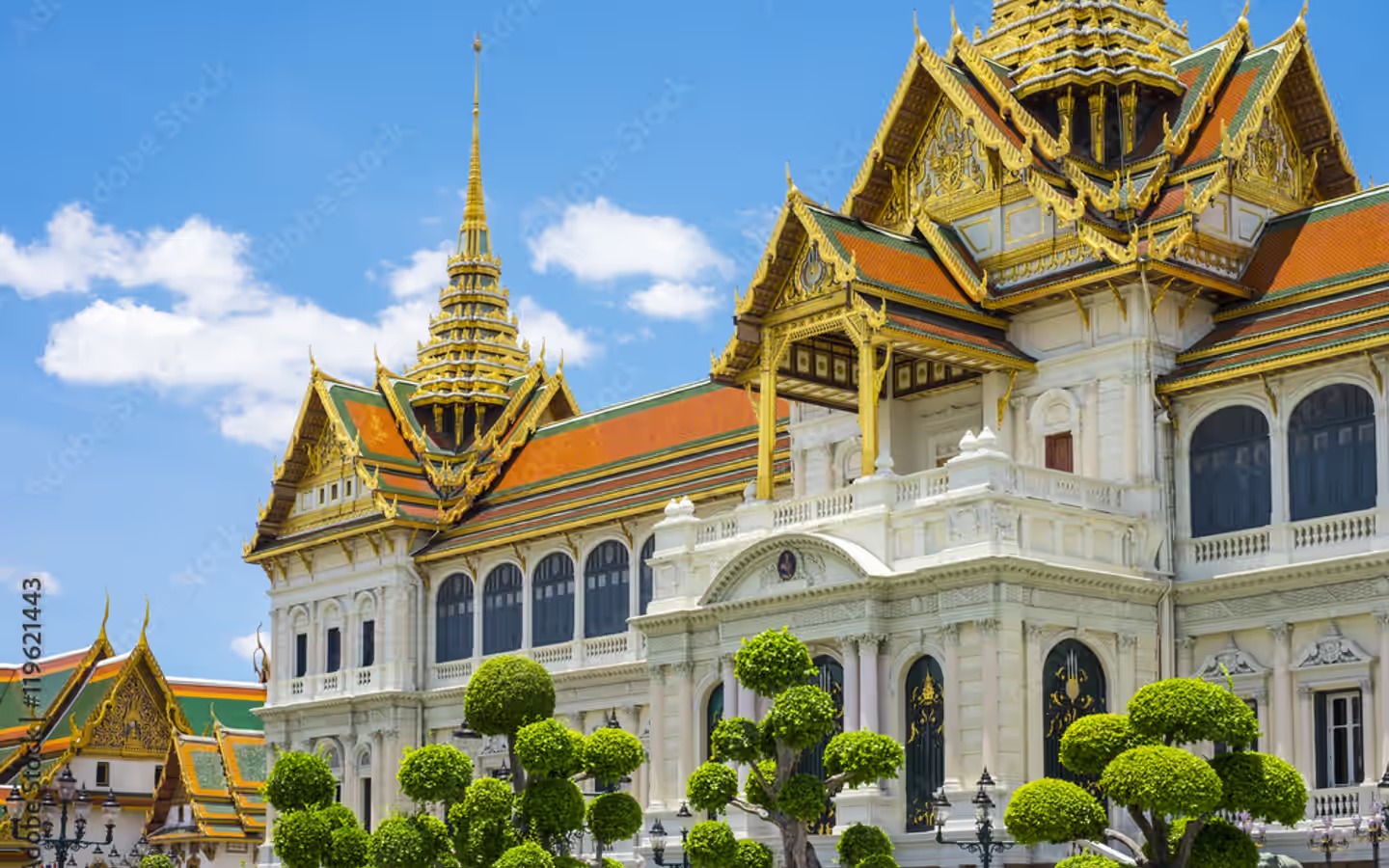
Known for its unique blend of Thai and European styles, this building features a distinctly Thai roof atop a European-style building. This architectural mix reflects King Rama V's appreciation for Western culture while maintaining Thai traditions.
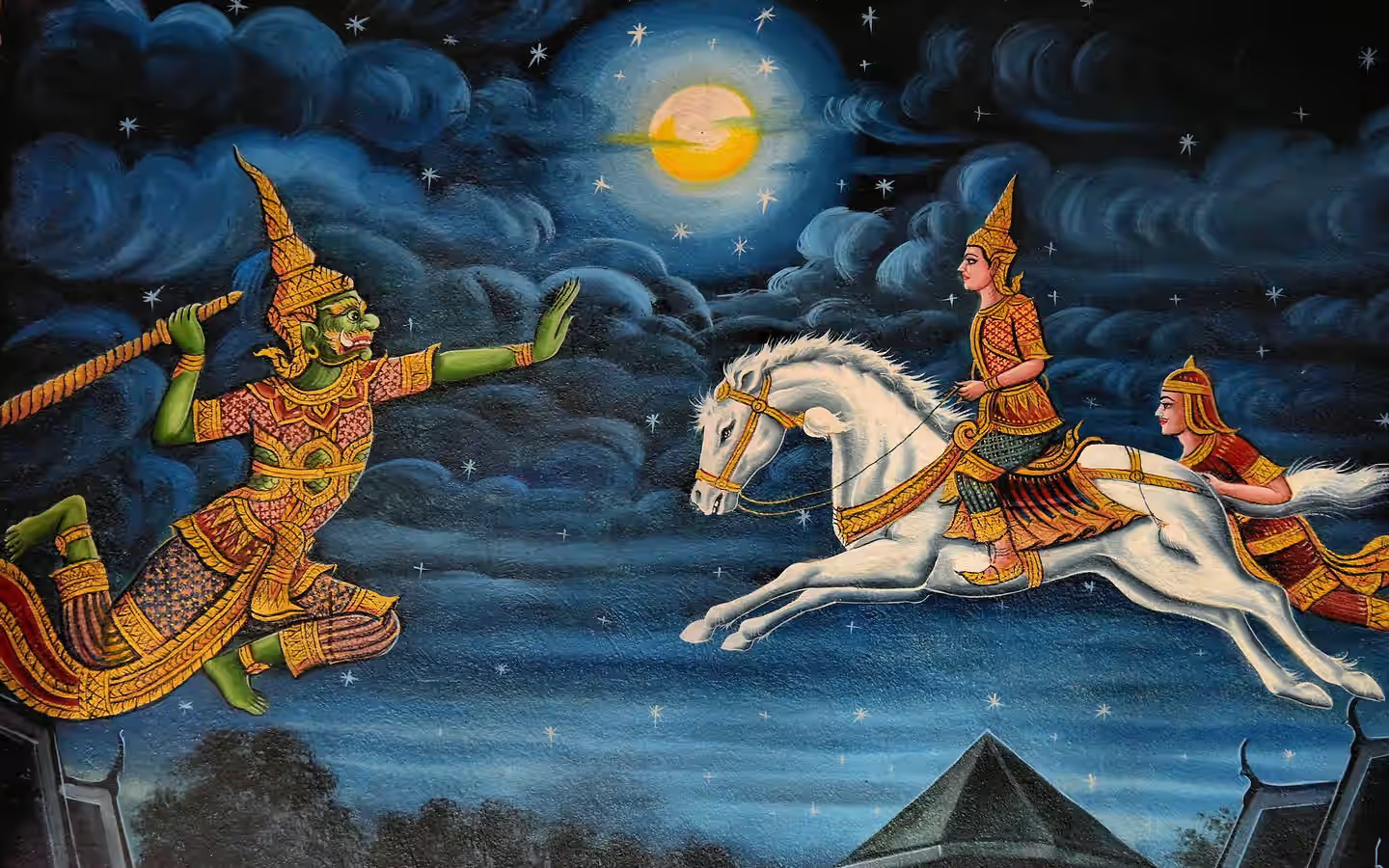
The outer areas feature impressive gates, statues, and detailed murals depicting scenes from the Ramakien (the Thai version of the Indian Ramayana epic). The gallery walls stretch for hundreds of meters, telling the entire story through colorful paintings.
Located within the Grand Palace complex, this museum displays unique Thai fabrics, royal attire, and handicrafts. It's an excellent place to cool off and learn about traditional Thai textiles.
The Grand Palace enforces a strict dress code that visitors must follow:
Key takeaway: While rental clothes are available near the entrance for those who arrive unprepared, these can be hot and uncomfortable. Save yourself trouble by dressing appropriately from the start.
Plan to spend at least 2-3 hours exploring the complex thoroughly.
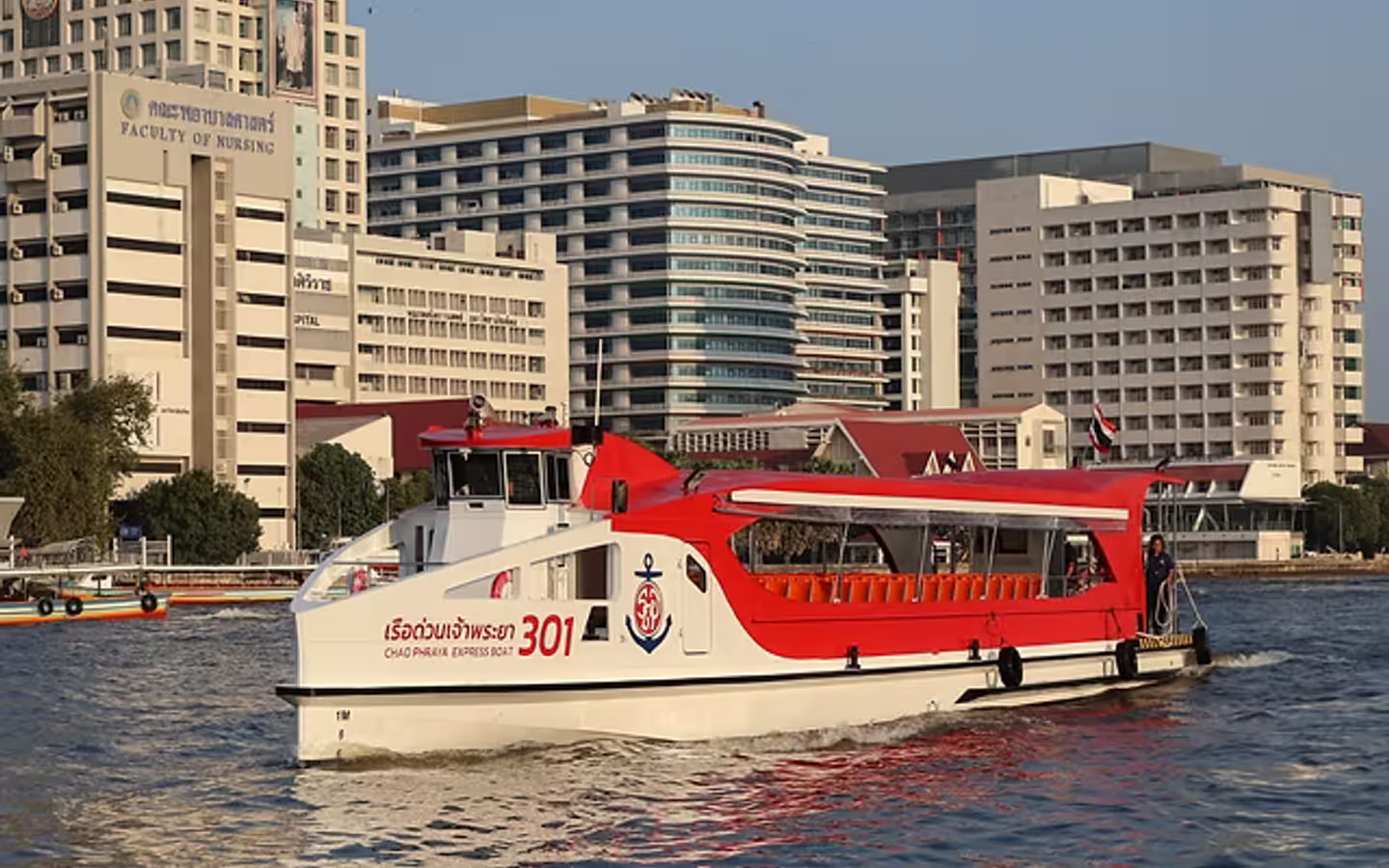
The most scenic and often quickest way to reach the Grand Palace:
Key takeaway: The river boat offers beautiful views of Bangkok's waterfront and often helps you avoid traffic jams.
If coming by road:
Be cautious of tuk-tuk drivers or friendly "locals" who tell you the Grand Palace is closed for a ceremony or special event. This is a common scam to divert tourists to shops or other attractions where the driver receives a commission. Always verify information at the official entrance.
Bangkok's tropical climate can make exploring the Grand Palace challenging:

Make the most of your visit to this area by exploring these nearby sites:
Beyond the dress code, keeping these cultural considerations in mind will help you show respect:
The Grand Palace has witnessed Thailand's transformation from an absolute monarchy to a constitutional one. Founded by King Rama I in 1782 when he moved the capital from Thonburi to Bangkok, the palace complex grew with each successive king adding new structures and elements.
By the 1920s, the royal family had moved to other residences, and in 1932, Thailand transitioned from an absolute monarchy to a constitutional one. Despite these changes, the Grand Palace remains Thailand's spiritual heart and a symbol of national identity.
The Grand Palace represents the pinnacle of Thai architecture, culture, and spirituality. Its dazzling halls, sacred spaces, and intricate details offer visitors a glimpse into Thailand's rich heritage that simply can't be experienced anywhere else.
By planning your visit with this guide in mind—arriving early, dressing appropriately, and taking time to appreciate both the grand structures and small details—you'll create memories that last long after you've returned home.
For those wanting a deeper understanding of this magnificent complex, consider hiring a knowledgeable local guide who can bring the palace's history and significance to life, transforming your visit from simple sightseeing to genuine cultural immersion.
PAL tracks flights, briefs drivers, and prepares name boards before the car leaves, so you do not have to wonder whether anyone is there. If you need Airport Transfer Service in Bangkok for an upcoming arrival, or Corporate Chauffeur Service in Bangkok for a working day, PAL is ready to support you.
Fixed rates, 24/7 operations, flight-tracked pickups. PAL handles the ground transportation.

The Grand Palace in Bangkok stands as Thailand's most iconic landmark, captivating millions of visitors each year with its dazzling architecture and rich cultural significance. Built in 1782, this sprawling complex once served as the royal residence and administrative center of Thailand (then called Siam), embodying the heart and soul of Thai heritage.
Whether you're planning your first visit to Bangkok or returning to appreciate this magnificent site, this guide covers everything you need to know to make your Grand Palace experience memorable and hassle-free.
The Grand Palace isn't just another tourist attraction – it's a living monument to Thailand's rich history. Covering over 218,000 square meters, the complex houses more than 100 buildings showcasing a stunning blend of Thai and European architectural styles.
While the Thai royal family moved out in the early 1900s (they now reside in Chitralada Palace), the Grand Palace remains the spiritual heart of Thailand and continues to host important royal ceremonies and state functions.

The spiritual centerpiece of the Grand Palace is Wat Phra Kaew, Thailand's most sacred temple. Inside sits the highly revered Emerald Buddha – a relatively small statue (about 66 cm tall) carved from a single piece of jade, not actual emerald. This sacred icon dates back several hundred years and holds immense significance to Thai people.
Key takeaway: Photography is strictly prohibited inside the temple housing the Emerald Buddha, so take time to simply absorb the peaceful atmosphere.
This stunning throne hall features classic Thai architecture with its multi-tiered roof and intricate detailing. Used for royal ceremonies and formerly as a lying-in-state venue for royal family members.

Known for its unique blend of Thai and European styles, this building features a distinctly Thai roof atop a European-style building. This architectural mix reflects King Rama V's appreciation for Western culture while maintaining Thai traditions.

The outer areas feature impressive gates, statues, and detailed murals depicting scenes from the Ramakien (the Thai version of the Indian Ramayana epic). The gallery walls stretch for hundreds of meters, telling the entire story through colorful paintings.
Located within the Grand Palace complex, this museum displays unique Thai fabrics, royal attire, and handicrafts. It's an excellent place to cool off and learn about traditional Thai textiles.
The Grand Palace enforces a strict dress code that visitors must follow:
Key takeaway: While rental clothes are available near the entrance for those who arrive unprepared, these can be hot and uncomfortable. Save yourself trouble by dressing appropriately from the start.
Plan to spend at least 2-3 hours exploring the complex thoroughly.

The most scenic and often quickest way to reach the Grand Palace:
Key takeaway: The river boat offers beautiful views of Bangkok's waterfront and often helps you avoid traffic jams.
If coming by road:
Be cautious of tuk-tuk drivers or friendly "locals" who tell you the Grand Palace is closed for a ceremony or special event. This is a common scam to divert tourists to shops or other attractions where the driver receives a commission. Always verify information at the official entrance.
Bangkok's tropical climate can make exploring the Grand Palace challenging:

Make the most of your visit to this area by exploring these nearby sites:
Beyond the dress code, keeping these cultural considerations in mind will help you show respect:
The Grand Palace has witnessed Thailand's transformation from an absolute monarchy to a constitutional one. Founded by King Rama I in 1782 when he moved the capital from Thonburi to Bangkok, the palace complex grew with each successive king adding new structures and elements.
By the 1920s, the royal family had moved to other residences, and in 1932, Thailand transitioned from an absolute monarchy to a constitutional one. Despite these changes, the Grand Palace remains Thailand's spiritual heart and a symbol of national identity.
The Grand Palace represents the pinnacle of Thai architecture, culture, and spirituality. Its dazzling halls, sacred spaces, and intricate details offer visitors a glimpse into Thailand's rich heritage that simply can't be experienced anywhere else.
By planning your visit with this guide in mind—arriving early, dressing appropriately, and taking time to appreciate both the grand structures and small details—you'll create memories that last long after you've returned home.
For those wanting a deeper understanding of this magnificent complex, consider hiring a knowledgeable local guide who can bring the palace's history and significance to life, transforming your visit from simple sightseeing to genuine cultural immersion.
PAL tracks flights, briefs drivers, and prepares name boards before the car leaves, so you do not have to wonder whether anyone is there. If you need Airport Transfer Service in Bangkok for an upcoming arrival, or Corporate Chauffeur Service in Bangkok for a working day, PAL is ready to support you.

The Grand Palace is open daily from 8:30 AM to 3:30 PM, with the last entry around 2:30 PM. It's recommended to arrive early to avoid crowds and midday heat.

The entrance fee is 500 Thai Baht (approximately $15 USD) for foreign visitors. Thai nationals can enter for free with valid ID. The ticket includes access to the Grand Palace grounds, Temple of the Emerald Buddha, and Queen Sirikit Museum of Textiles.

The Grand Palace enforces a strict dress code. Visitors must cover their shoulders and knees - no sleeveless tops, shorts, or short skirts are allowed. See-through clothes, tight-fitting attire, and torn clothing are also prohibited. Proper footwear is required.

Plan to spend at least 2-3 hours exploring the complex thoroughly. Some visitors spend up to half a day, especially if they're interested in the historical and cultural details.

The most scenic and often quickest way is by boat: Take the BTS Skytrain to Saphan Taksin Station, then the Chao Phraya Express Boat to Tha Chang Pier (N9) or Tha Tien Pier (N8).

Photography is strictly prohibited inside the temple building housing the Emerald Buddha. However, you can take photos in the surrounding temple grounds and other areas of the Grand Palace.

There are clothing rental facilities near the entrance, but these clothes can be hot and uncomfortable. It's better to dress appropriately from the start to ensure a comfortable experience.

Nearby attractions include Wat Pho (Temple of the Reclining Buddha), Wat Arun (Temple of Dawn) across the river, Museum of Siam, and various riverside cafes and restaurants.

While not necessary, a guide can enhance your experience by providing historical context and ensuring you don't miss important details. Audio guides are also available for rent at the entrance.

The Thai royal family no longer lives at the Grand Palace (they moved to other residences in the early 1900s), but the complex is still used for important royal ceremonies and state functions.