
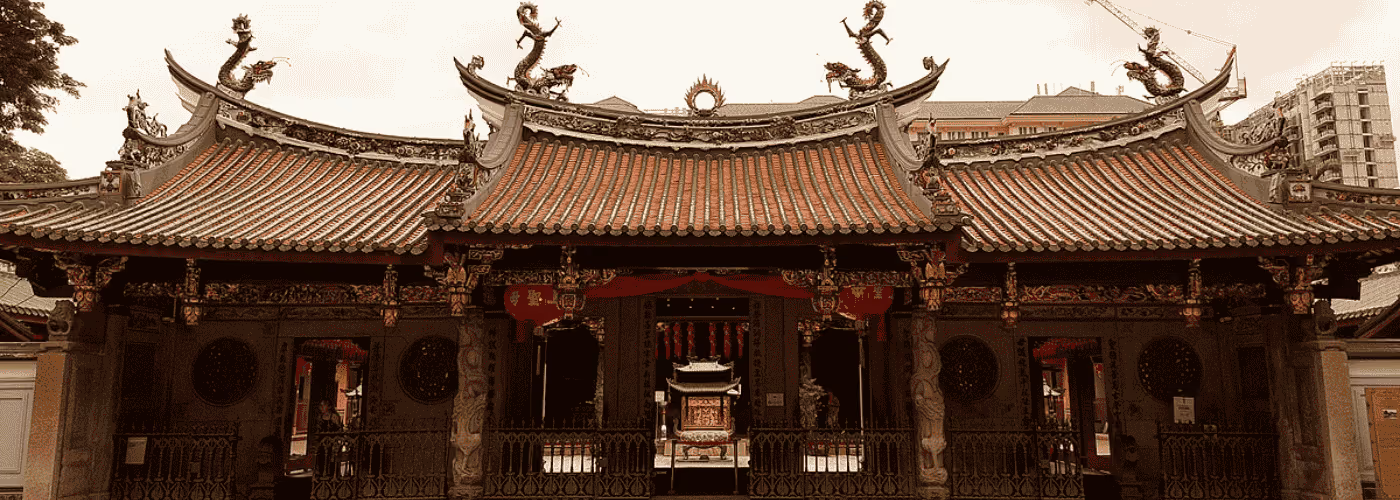
Uncover the beauty of Thian Hock Keng Temple, Singapore's historic sanctuary built in 1842. Free entry, stunning architecture & cultural treasures await your visit.
Are you looking for a glimpse into Singapore's rich cultural heritage? Thian Hock Keng Temple stands as one of Singapore's most historically significant religious sites. Built in 1840 without a single nail, this breathtaking temple offers visitors an authentic window into Chinese architecture, history, and spiritual practices.
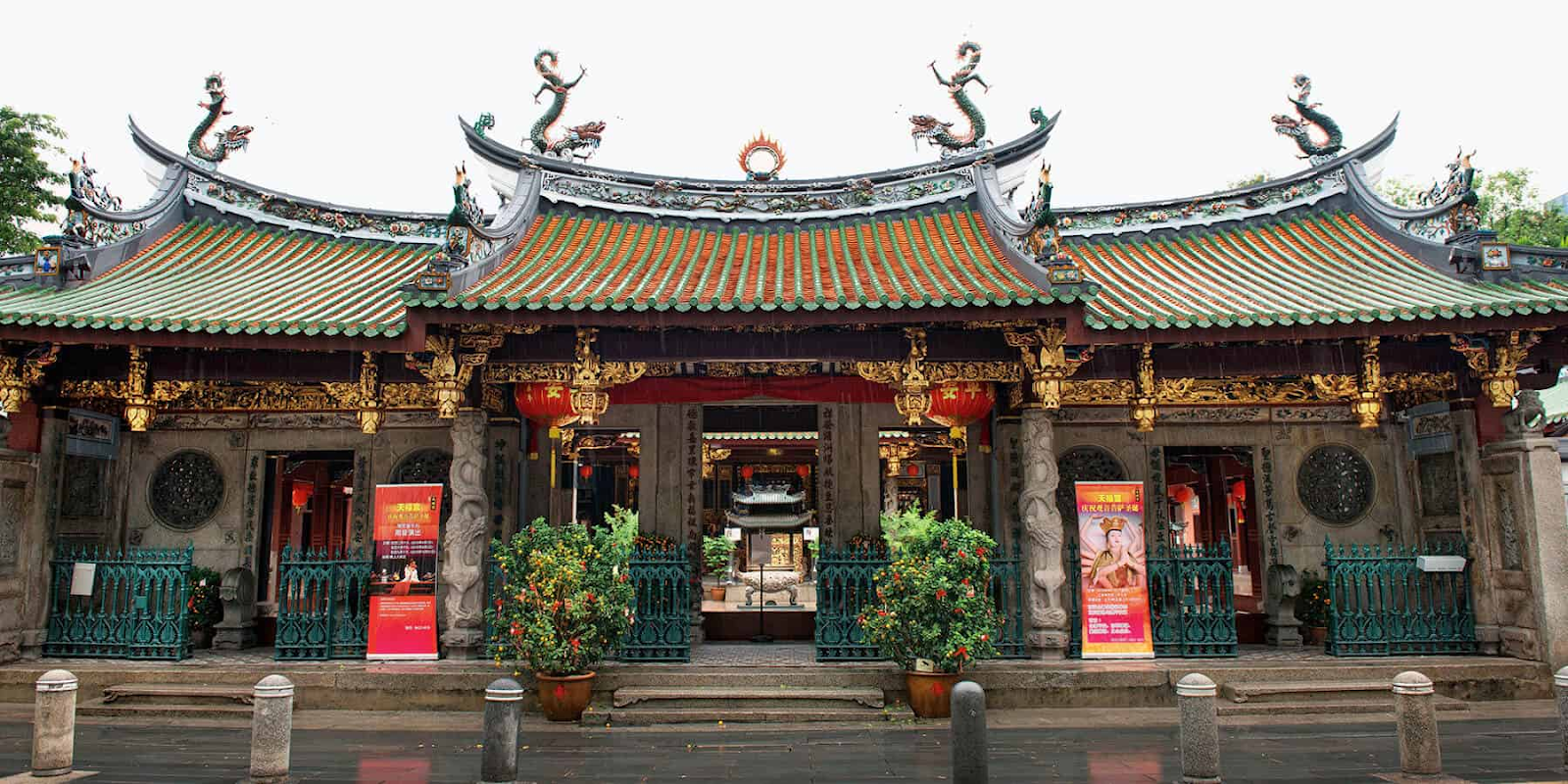
Thian Hock Keng (meaning "Palace of Heavenly Happiness") is the oldest and most important Hokkien temple in Singapore. Completed in 1842, the temple was originally a beachfront sanctuary before land reclamation changed the coastline. For Chinese immigrants who had survived the perilous journey from Southern China, this temple was their first stop upon arrival – a place to give thanks to Mazu (also known as Matsu), the sea goddess who was believed to protect fishermen and sailors.
At the entrance, you'll notice a very low granite wall – this barrier was originally built to prevent seawater from entering the temple during high tide, a reminder of its former proximity to the shore. Wealthy Hokkien merchants like Tan Tock Seng donated generously to construct this architectural masterpiece, which eventually became a status symbol for the community.
The temple's significance extends beyond religious purposes. Throughout its history, it has served as a meeting place for Hokkien clan leaders, a performance venue, a school, and even a symbol for the resistance movement during the Japanese occupation in World War II.
What makes Thian Hock Keng truly special is its stunning traditional Southern Chinese architecture. The temple was constructed without using a single nail, relying instead on ancient building techniques that join the pine, ironwood, granite, and colorful tiles together.
As you walk through the temple, you'll be mesmerized by the ornate carvings, beautiful calligraphy, and colorful paintings. The main hall features a curved roof and elaborate details that showcase the pinnacle of Chinese temple design. Inside, you'll find various shrines and altars dedicated to different deities, with the main altar housing a statue of Mazu surrounded by her attendants.
Thian Hock Keng is unique as it encompasses elements of Taoism, Buddhism, and Confucianism all in one site. In addition to the sea goddess Mazu, other deities honored here include Guanyin (the Buddhist Goddess of Mercy) and Confucius (Kong Zi), making it a place where followers of different Chinese religious traditions can worship.
The temple welcomes visitors daily from 7:30 AM to 5:30 PM, with the last admission at 5:20 PM. The best part? Entry is completely free for all visitors, regardless of age or nationality.
Thian Hock Keng is conveniently located at 158 Telok Ayer Street in Singapore's Chinatown district. You can reach it via:
The temple offers free guided tours for organized groups from community groups, non-profit organizations, and schools during special events and celebrations. These tours provide deeper insights into the temple's history, customs, and faith.
Throughout the year, Thian Hock Keng hosts various festivals and celebrations, including:
These events often feature traditional music, dance performances, and cultural rituals that provide a wonderful opportunity to experience Chinese heritage in action.
After exploring Thian Hock Keng, consider visiting these nearby attractions to make the most of your time in the area:


Despite Singapore's rapid modernization, Thian Hock Keng remains an active place of worship and an important cultural institution. The temple underwent a complete renovation in the late 1990s under the management of the Singapore Hokkien Huay Kuan, ensuring its preservation for future generations.
Today, Thian Hock Keng serves as a physical reminder of Singapore's immigrant history and multicultural identity. Its continued existence and active use demonstrate how traditional cultural practices remain relevant even in one of Asia's most modern cities. For many Singaporeans of Chinese descent, the temple represents an important connection to their ancestral heritage and traditions.
Thian Hock Keng Temple offers visitors a fascinating glimpse into Singapore's past and the journey of its Chinese immigrant community. With its stunning architecture, rich history, and continued cultural significance, it stands as one of the city's most authentic heritage sites. Whether you're interested in history, architecture, religion, or simply experiencing a different facet of Singapore beyond its modern skyline, this temple deserves a place on your itinerary.
For travelers who appreciate authentic cultural experiences, Thian Hock Keng provides a peaceful retreat from Singapore's urban energy and a chance to connect with the traditions that have shaped this diverse nation.
As you plan your visit to Thian Hock Keng Temple to immerse yourself in Singapore's rich cultural heritage, consider enhancing your experience by booking a chauffeur service for your transportation needs. With a professional driver at your service, you can avoid the hassle of navigating public transport and instead enjoy a comfortable, stress-free journey to this historical site and other nearby attractions.
Let your chauffeur handle the details, allowing you to fully focus on exploring the stunning architecture and vibrant traditions that make Thian Hock Keng a must-visit destination in Singapore.
.png)
Corporate travel in Singapore depends on more than arranging a vehicle for an executive, client or visiting delegation. The quality of the service is reflected in how carefully each journey is planned, communicated and managed from pickup to drop-off.
.png)
Getting around Johor Bahru is straightforward when the journey only involves one pickup and one destination. It becomes a different kind of booking once Senai Airport, several stops, meetings across different parts of Johor or a longer journey to Desaru enter the itinerary.
.png)
Booking a chauffeur in Singapore is easy enough. The more useful question is what happens once the journey becomes more demanding: a Changi arrival shifts, several meetings run back-to-back, or an executive's schedule changes halfway through the day.


Fixed rates, 24/7 operations, flight-tracked pickups. PAL handles the ground transportation.


.png)
.png)
.png)
.png)
.png)
.png)
.png)
.png)
.png)