

Standing proudly on the west bank of the Chao Phraya River, Wat Arun (Temple of Dawn) is one of Bangkok's most stunning landmarks. This gleaming temple with its towering spires has become a must-visit destination for travelers exploring Thailand's capital. If you're planning a trip to this magnificent temple, this guide covers everything you need to know - from its rich history to practical visiting tips.
Wat Arun Ratchawararam, commonly known as Wat Arun or the Temple of Dawn, is a Buddhist temple that ranks among Bangkok's most important cultural and religious sites. Named after Aruna, the Hindu god of dawn, this temple offers visitors a unique glimpse into Thai architecture, spirituality, and craftsmanship.
What makes Wat Arun truly special is its distinctive central spire (prang) that soars approximately 70-82 meters high. The spire and surrounding structures are decorated with thousands of colorful pieces of Chinese porcelain, ceramic tiles, and seashells arranged in intricate patterns that catch the sunlight in mesmerizing ways.
The history of Wat Arun stretches back centuries, making it one of Bangkok's oldest temples:
This temple holds special significance as the private temple of King Rama II, whose ashes rest beneath the main Buddha image in the Ordination Hall.
When visiting Wat Arun, make sure to explore these remarkable features:
The magnificent central tower is the temple's most iconic feature. Designed to represent Mount Meru (the center of the universe in Buddhist cosmology), this spire is covered in colorful porcelain and offers a stunning sight from both near and far. Visitors can climb partway up the steep stairs for panoramic views of the river and Bangkok skyline.
Surrounding the main spire are four smaller prangs, each representing a wind direction and topped with figures of the God of the Wind riding on horseback.
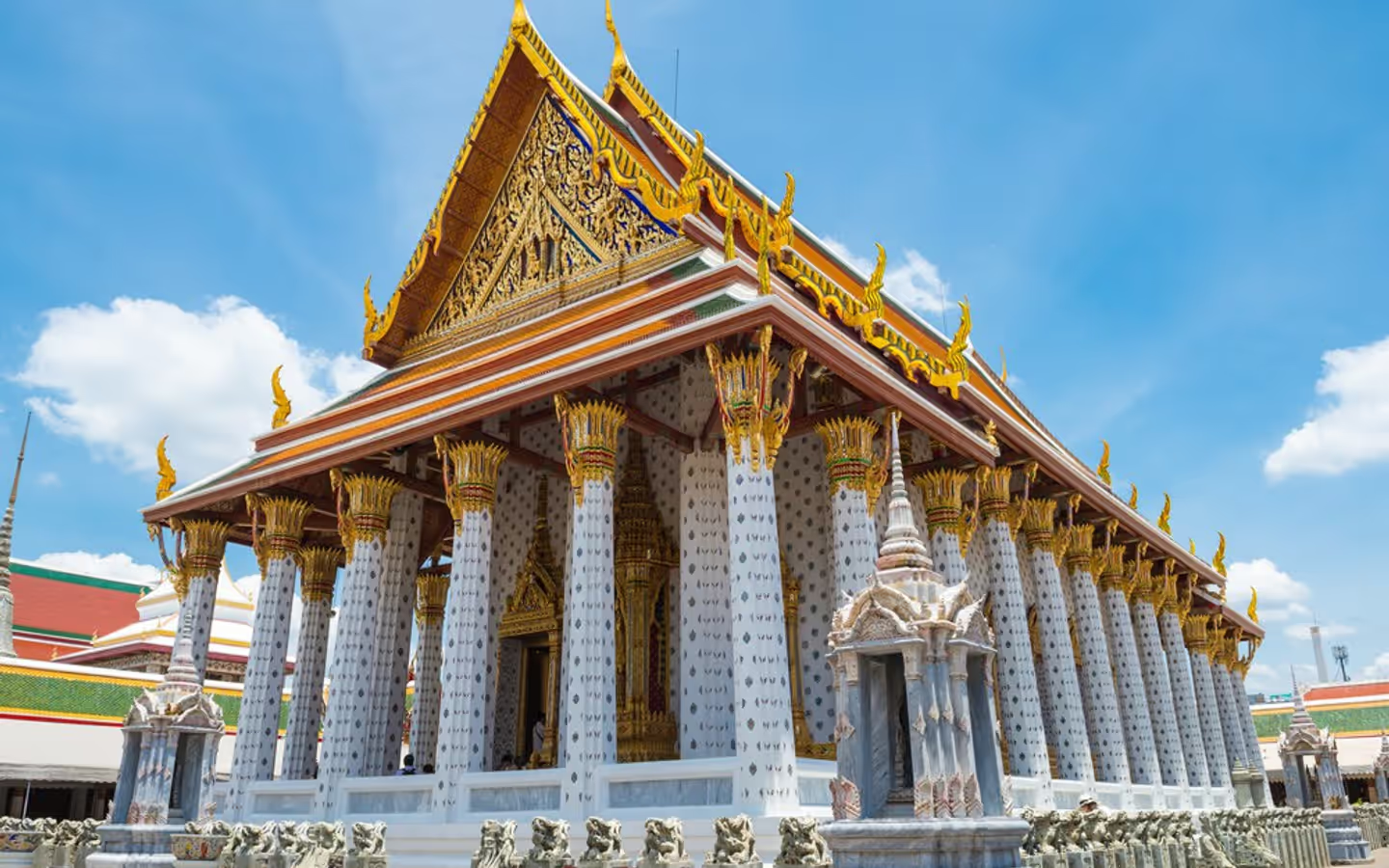
Inside this sacred space, you'll find:
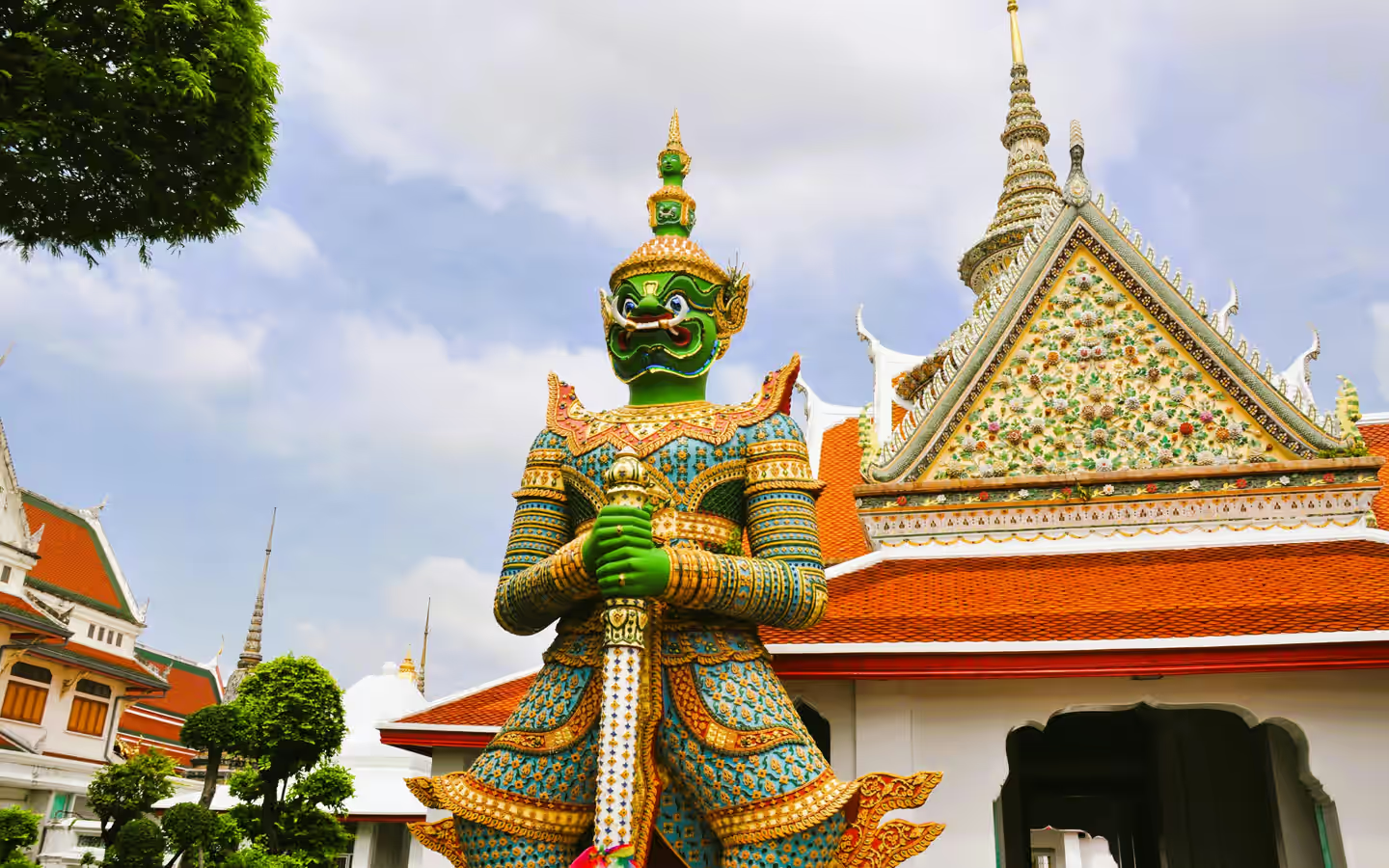
At the temple entrance, you'll encounter impressive yaksha (demon guardian) statues that serve as mythical protectors of the sacred grounds.
Six Chinese-style pavilions line the riverside, containing landing bridges where the Royal Barge Procession traditionally arrives during important ceremonies.
158 Thanon Wang Doem, Bangkok Yai, Bangkok 10600
As Wat Arun is an active place of worship, visitors must dress respectfully:
If you arrive inappropriately dressed, sarongs are usually available to rent near the entrance.
The name "Temple of Dawn" might suggest sunrise is the ideal viewing time, but ironically, the temple actually looks most spectacular at sunset when the porcelain decorations catch the evening light.
Wat Arun sits on the Thonburi side (west bank) of the Chao Phraya River. Here are the best ways to reach it:
After exploring the temple, you might want to grab a bite at one of these nearby options:
Many restaurants on the opposite bank offer spectacular views of Wat Arun, especially magical during sunset or when the temple is illuminated at night.
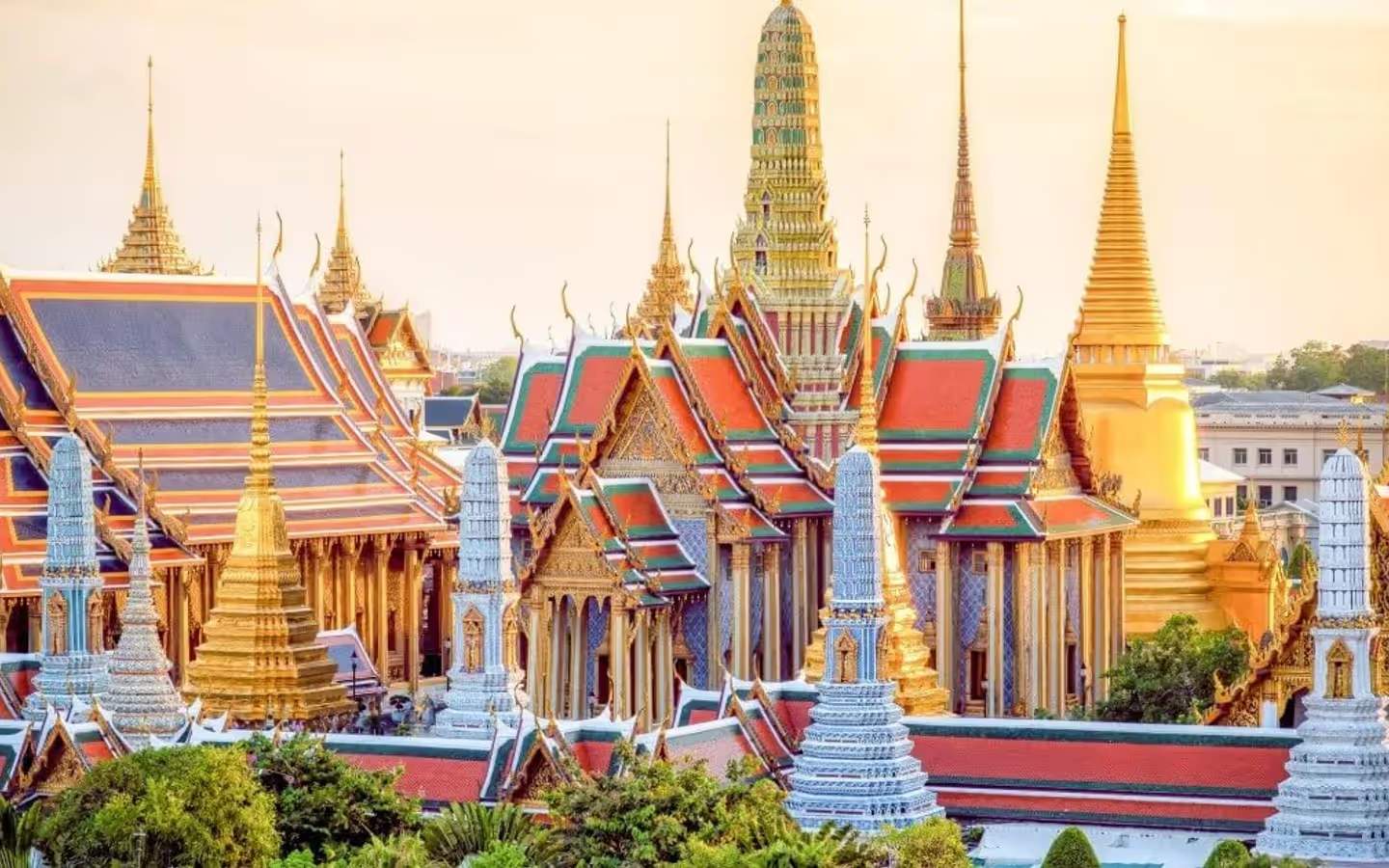
Maximize your Bangkok temple experience by creating an itinerary that includes:
A typical half-day itinerary might look like this:
Wat Arun stands as one of Thailand's most beautiful temples and a testament to the country's rich cultural heritage. Its unique design, historical significance, and stunning riverside location make it an essential stop on any Bangkok itinerary.
Whether you're captivated by the intricate porcelain mosaics, the impressive architecture, or simply the magical way the temple catches the light at sunset, Wat Arun offers something truly special for every visitor. The Temple of Dawn may have gotten its name from the Hindu god of dawn, but its beauty truly shines at any time of day.
To make your temple-hopping experience in Bangkok even more comfortable, consider booking a private chauffeur service. A professional driver can help you navigate between Wat Arun and other major attractions efficiently, ensuring you make the most of your time in this fascinating city.
.png)
Corporate travel in Singapore depends on more than arranging a vehicle for an executive, client or visiting delegation. The quality of the service is reflected in how carefully each journey is planned, communicated and managed from pickup to drop-off.
.png)
Getting around Johor Bahru is straightforward when the journey only involves one pickup and one destination. It becomes a different kind of booking once Senai Airport, several stops, meetings across different parts of Johor or a longer journey to Desaru enter the itinerary.
.png)
Booking a chauffeur in Singapore is easy enough. The more useful question is what happens once the journey becomes more demanding: a Changi arrival shifts, several meetings run back-to-back, or an executive's schedule changes halfway through the day.


Fixed rates, 24/7 operations, flight-tracked pickups. PAL handles the ground transportation.


.png)
.png)
.png)
.png)
.png)
.png)
.png)
.png)
.png)