
Discover the extraordinary Marble Temple of Bangkok with our complete travel guide featuring expert tips, best photo spots, and fascinating historical insights.
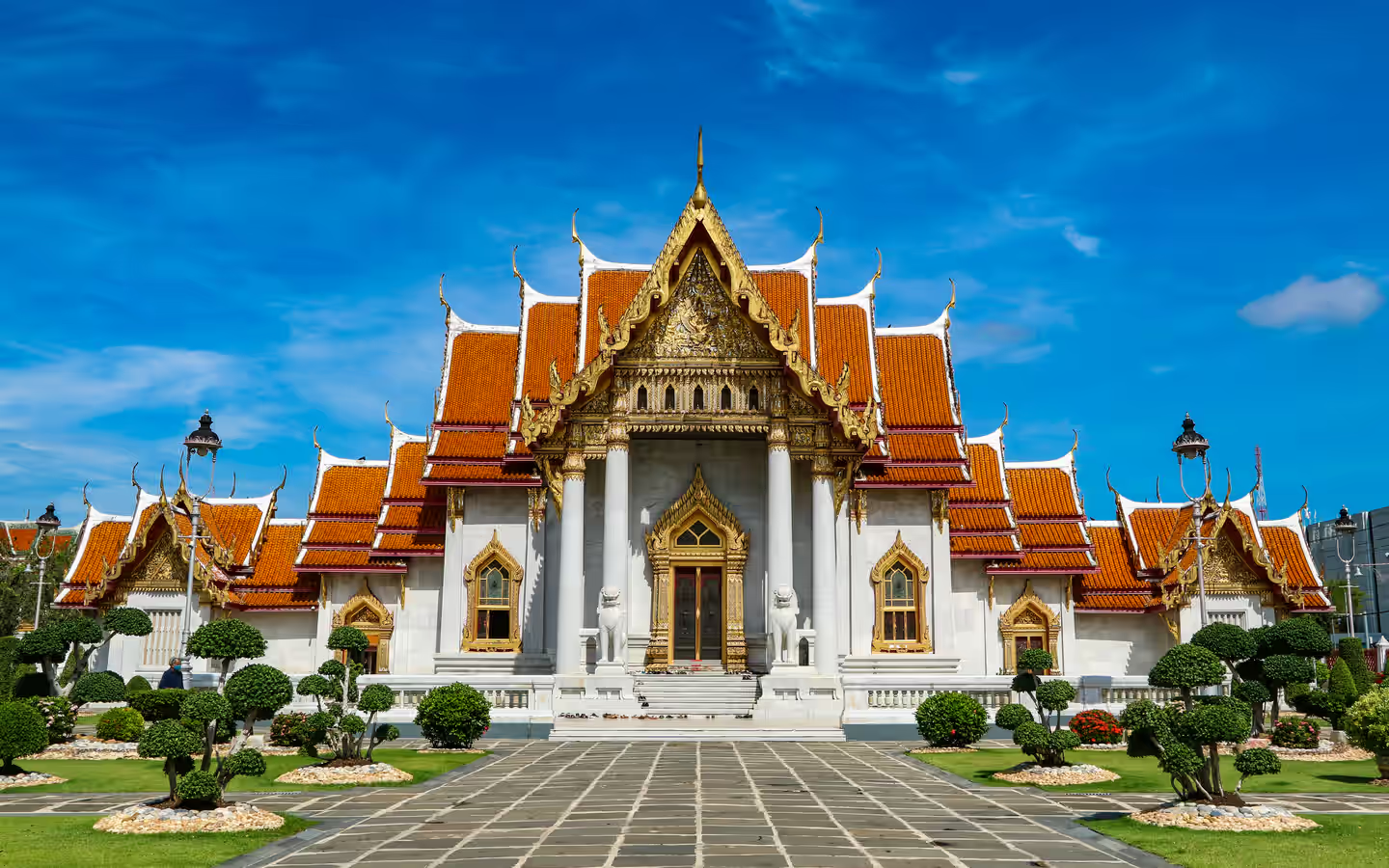
Wat Benchamabophit, known to most visitors as the "Marble Temple," stands out as one of Bangkok's most beautiful and unique Buddhist temples. If you're planning a trip to Bangkok, this architectural gem deserves a spot on your itinerary. Unlike many ancient temples in Thailand, this relatively modern masterpiece combines traditional Thai elements with European influences, creating a stunning visual experience you won't find elsewhere.
This guide covers everything you need to know before visiting Wat Benchamabophit – from its fascinating history and must-see features to practical tips that will make your visit smooth and memorable.
Built in 1899 during the reign of King Chulalongkorn (Rama V), Wat Benchamabophit Dusitwanaram was commissioned as part of the king's efforts to modernize Thailand while preserving its cultural identity. The name itself means "the Monastery of the fifth King near Dusit Palace," highlighting its royal connections.
The temple was designed by Prince Narisara Nuwattiwong, King Rama V's half-brother, who created a masterful blend of traditional Thai architecture with European design elements. Its construction holds special significance as it represented Thailand's aspirations toward modern development during a period of significant change.
King Chulalongkorn dedicated the temple to honor his maternal royal lineage, and today, his ashes rest beneath the main Buddha image, making the temple both a place of worship and a royal memorial.
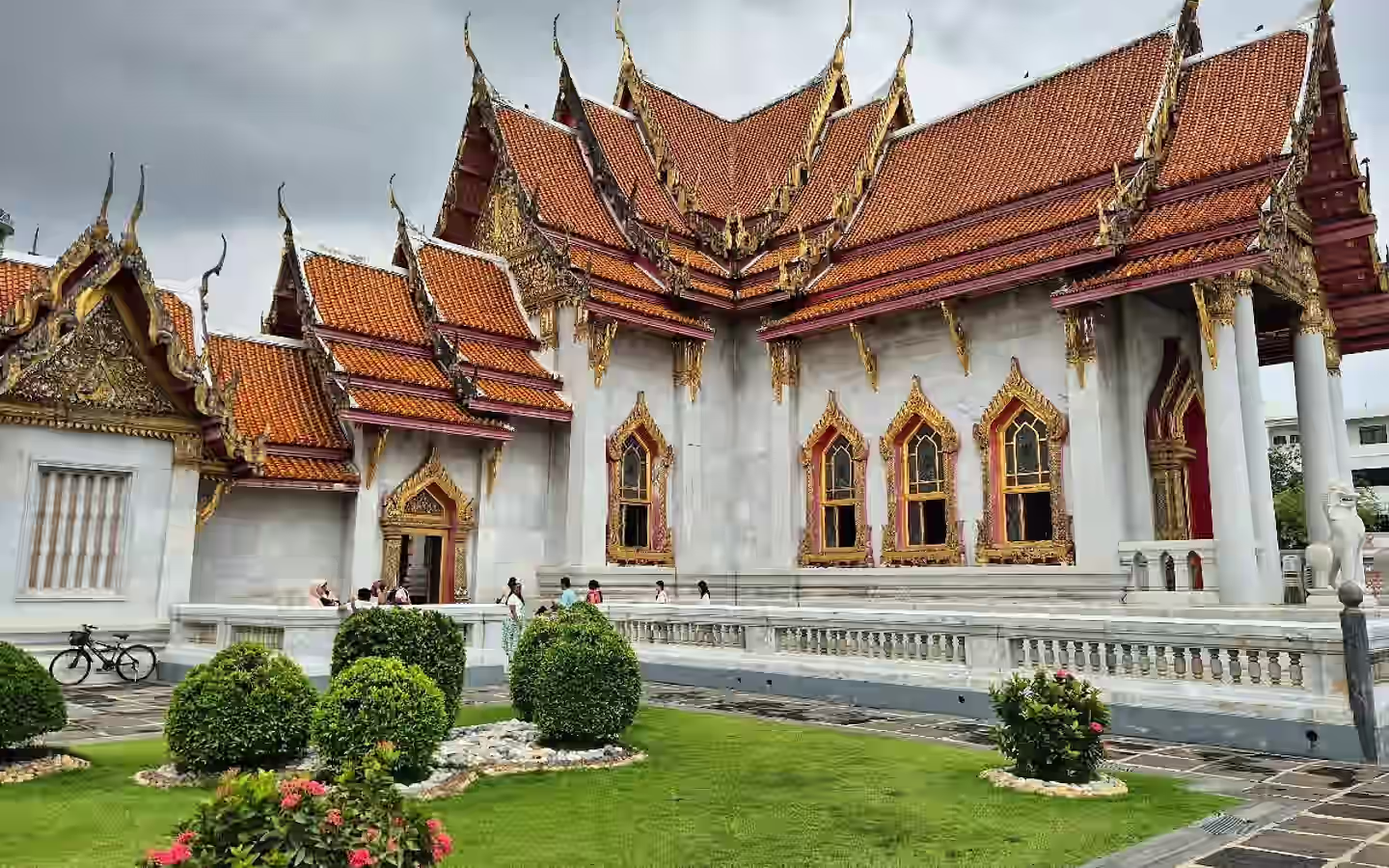
The temple's most striking feature is its ordination hall, completely covered in gleaming white Carrara marble imported from Italy. The bright white walls create a beautiful contrast against the red and gold multi-tiered roof built in traditional Thai style.
The marble gives the temple its nickname and creates an almost ethereal glow in the early morning sunlight. The floor, pillars, and courtyard are all constructed from this high-quality Italian marble, making it unique among Thai temples.
Inside the main hall sits a beautiful bronze Buddha statue in the Sukhothai style. This replica of the famous Phra Buddha Chinnarat is in the Maravijaya posture (subduing Mara) and serves as the temple's principal Buddha image.
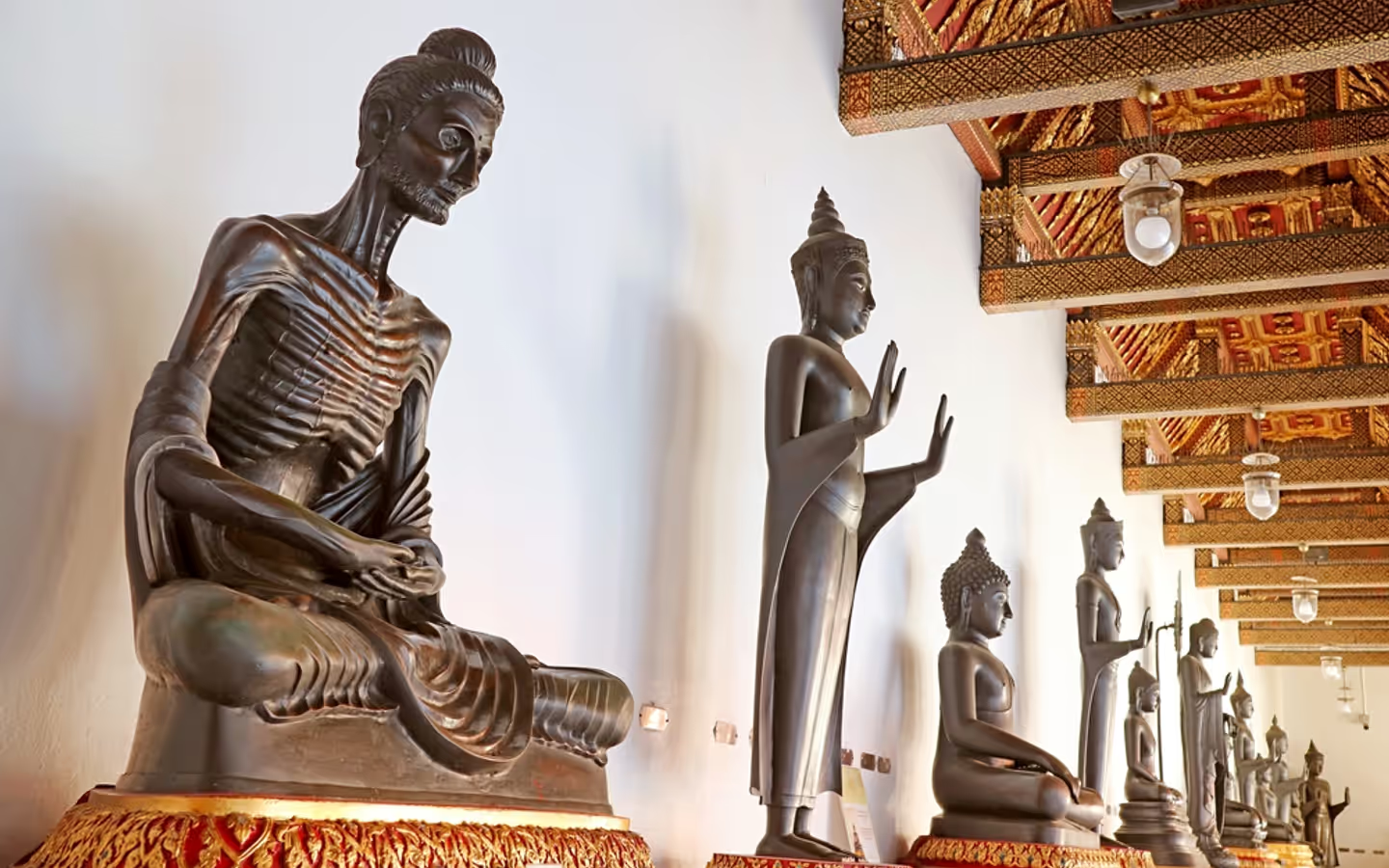
One of the most remarkable features is the gallery surrounding the ordination hall. Here you'll find 52 Buddha images displayed along the cloister, each representing different styles and periods of Buddhist art from across Asia. These statues showcase diverse influences, including:
This collection essentially serves as a museum of Buddhist art history and adds significant cultural value to your visit.
.avif)
Take time to notice these architectural highlights:
69 Rama 5 Road Dusit Dusit Bangkok 10300
Wat Benchamabophit enforces a strict dress code as it's an active religious site:
The Marble Temple offers wonderful photography opportunities:
Remember to be respectful when taking photos, especially around worshippers. Flash photography should be avoided inside the halls.
The temple is located in Bangkok's Dusit district, near other royal sites like Dusit Palace. Here are your transportation options:
Wat Benchamabophit is not just a tourist attraction- it's an active temple and monastery where monks live, meditate, and study. Here's what you can experience:
Make the most of your time in the Dusit district by visiting these nearby attractions:
Wat Benchamabophit stands as a stunning example of Thailand's ability to blend tradition with innovation. Its gleaming marble halls, remarkable Buddha collection, and peaceful atmosphere make it one of Bangkok's most rewarding temple visits.
While not as well-known to tourists as temples like Wat Pho or the Grand Palace, the Marble Temple offers a more peaceful experience with equally impressive architecture and cultural significance. It's where Thailand's past and future intersect through artistic expression, religious devotion, and royal heritage.
For anyone interested in Buddhist art, architecture, or Thai history, Wat Benchamabophit is a must-visit destination that rewards those who take the time to appreciate its beauty and significance.
PAL plans vehicle counts, pickup points, and timing before the day of the event begins, and assigns one contact across the engagement for Event Transportation Service in Bangkok for a programme on the ground, and we also coordinates Airport Transfer Service in Bangkok for the guests flying in. We are ready to support you.
Fixed rates, 24/7 operations, flight-tracked pickups. PAL handles the ground transportation.


.png)
.png)
.png)
.png)
.png)
.png)
.png)
.png)
.png)
.png)
.png)
.png)