
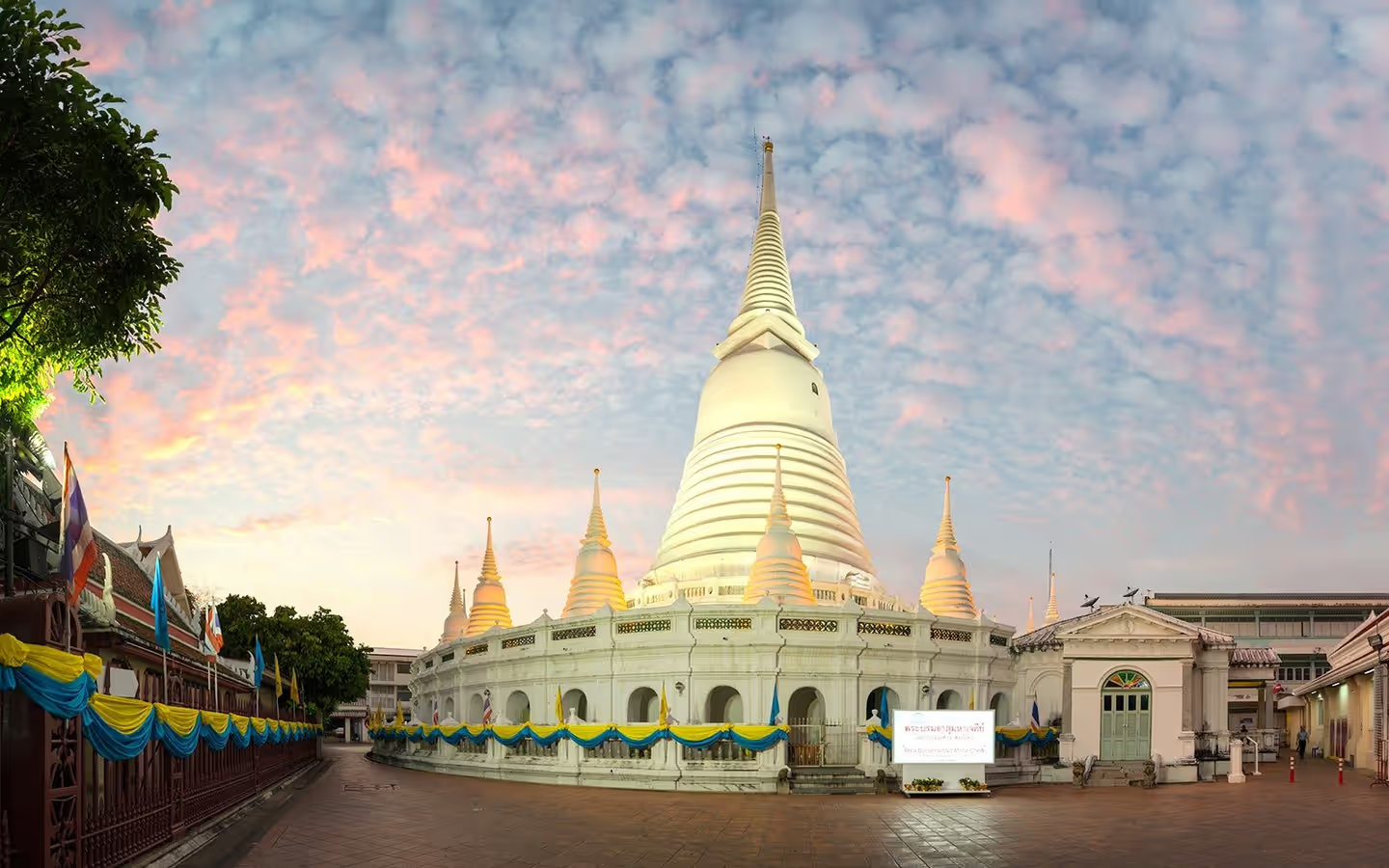
Experience the beautiful white chedi, feed turtles, and escape crowds at Wat Prayoon. Your essential guide to this award-winning temple in Thonburi, Bangkok.
If you're looking for a peaceful retreat from Bangkok's bustling streets, Wat Prayoon offers a unique temple experience that many travelers miss. This 19th-century Buddhist temple combines stunning architecture, cultural significance, and tranquil surroundings that make it worth adding to your Bangkok itinerary.
Wat Prayoon, officially named Wat Prayurawongsawat Worawihan, is a historic Buddhist temple built in 1828 during the reign of King Rama III. It was founded by Chao Phraya Phra Klang, an influential minister of Persian descent from the Bunnag family, who transformed his personal garden into a monastery. Four years later, King Rama III established it as a royal monastery.
Located on the west bank of the Chao Phraya River in Bangkok's Thonburi district, this temple stands as a beautiful example of Bangkok's rich religious heritage without the overwhelming crowds of more famous sites.
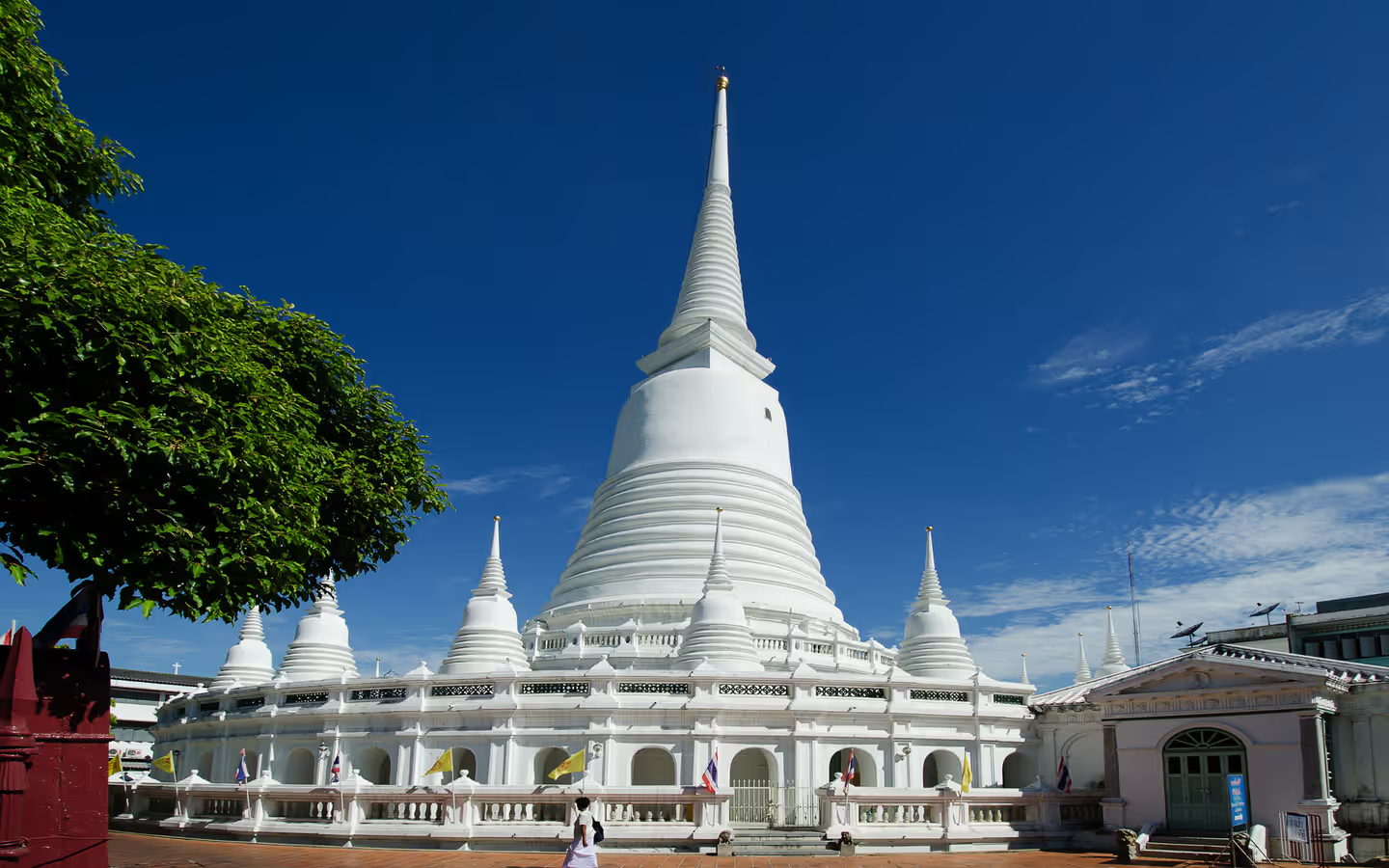
The most remarkable feature of Wat Prayoon is its large, carefully restored white Ayutthaya-style chedi (stupa). This stunning structure earned the temple the UNESCO Asia-Pacific Heritage Award for Cultural Heritage Conservation in 2013, recognizing the exceptional restoration work.
The chedi is surrounded by a circular, white enclosure that visitors can climb for fantastic views of the surrounding area. The bright white structure creates a striking image, especially when the sun hits it directly.
.avif)
One of the most unique features of Wat Prayoon is Khao Mo, a miniature garden representing a sacred mountain. This artificial hill is populated with small stupas, spirit houses, and statues, creating a serene environment unlike anything you'll find at other Bangkok temples.
The area includes a turtle pond where visitors can feed the turtles – a hit with families and children. In Buddhist tradition, turtles represent longevity and wisdom, making this peaceful pond a place of cultural significance as well as natural beauty.
Wat Prayoon houses a small but interesting museum of ancient Buddha statues and artifacts. The Prayu Phantakhan Museum displays a collection that gives visitors insight into Thai Buddhist art and history.
While not as extensive as collections in larger temples or national museums, the quality of the pieces and the quiet atmosphere make for a more contemplative viewing experience.
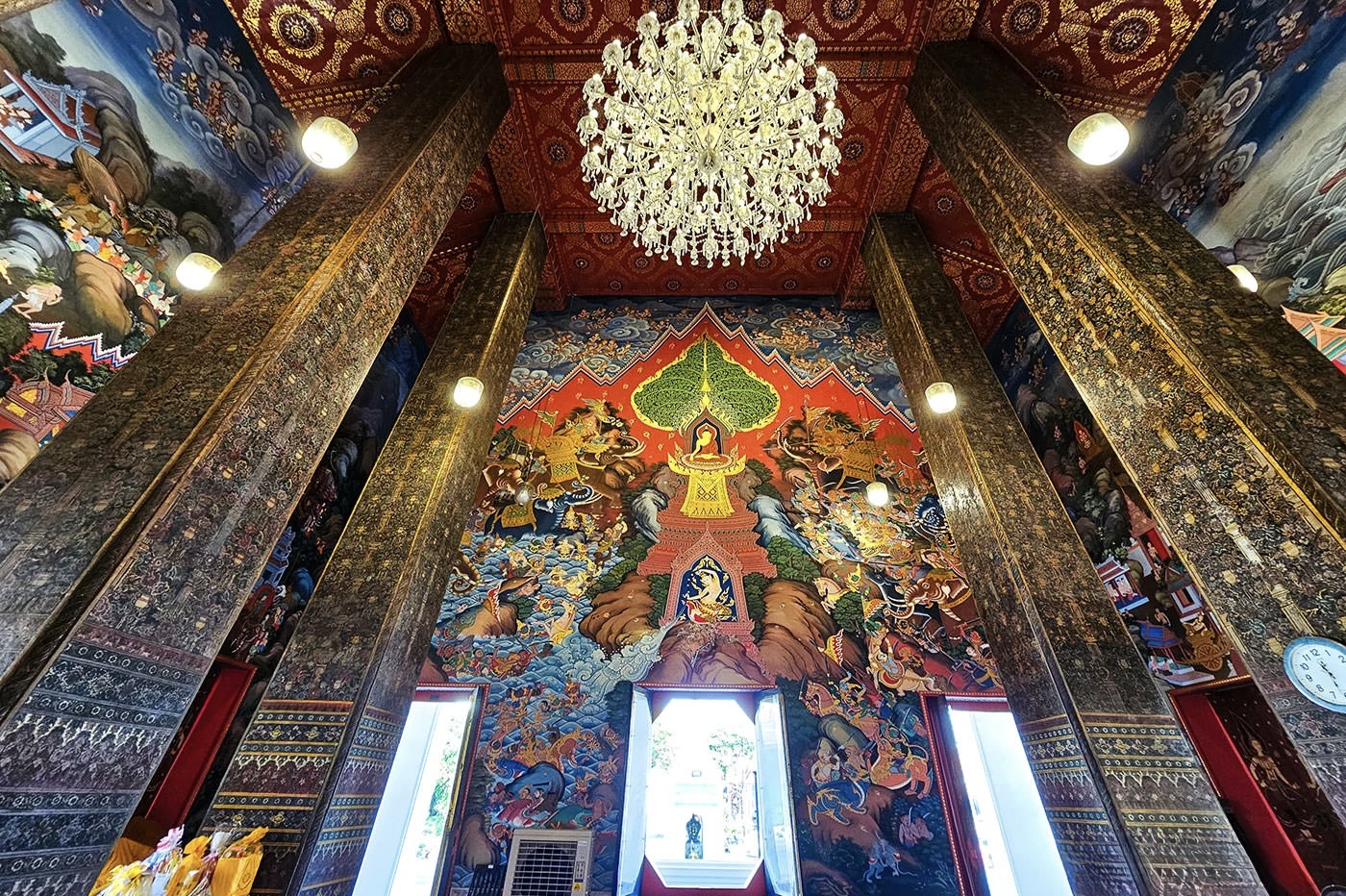
Inside the temple buildings, you'll find stunning murals telling stories from Buddha's life and Jataka tales. The walls and ceilings display a beautiful mix of Thai and Chinese artistic styles, creating a rich visual experience.
At the center of the main temple stands the grand Buddha statue, Phra Buddha Vishnu Prophet – a golden figure crafted by Japanese artisans in 1828.
Reaching Wat Prayoon is straightforward:
Alternatively, a taxi or Grab ride can take you directly to the temple if you prefer not to use public transportation.
As with all Buddhist temples in Thailand, visitors should dress modestly:
Unlike the more famous temples like Wat Pho or Wat Arun, Wat Prayoon offers a more peaceful, contemplative experience away from the crowds. The pristine white chedi, unusual turtle mountain, and serene atmosphere provide a different perspective on Bangkok's religious heritage.
For travelers with children, the open spaces and turtle pond make this temple particularly family-friendly compared to some of Bangkok's busier sites.
History enthusiasts will appreciate the UNESCO-recognized restoration work and the temple's connection to King Rama III's reign – an important period in Thailand's history.
Wat Prayoon is lovely any time of year, but the experience changes with the seasons:
Wat Prayoon's location in Thonburi makes it a great starting point for exploring this less-visited part of Bangkok:
Wat Prayoon offers travelers a chance to experience a different side of Bangkok's temple culture. Its award-winning restoration, unique features like the turtle mountain, and peaceful atmosphere provide a welcome contrast to the city's more crowded attractions.
Whether you're a first-time visitor to Bangkok seeking authentic cultural experiences or a returning traveler looking to explore beyond the typical tourist sites, Wat Prayoon rewards those who make the journey across the river.
For the most comfortable and convenient way to explore Wat Prayoon and other attractions in the Thonburi area, consider booking a chauffeur service. Your driver can help navigate the less touristy areas of Bangkok, wait while you explore each site, and provide local insights that enhance your temple-hopping experience.
PAL chauffeurs operate in Bangkok daily, which is what allows the team to stay reachable and responsive when plans shift. You can rely on PAL for Corporate Chauffeur Service in Bangkok when the schedule is packed, and for Limousine Service in Bangkok when a more discreet single trip is what you need.
Fixed rates, 24/7 operations, flight-tracked pickups. PAL handles the ground transportation.


.png)
.png)
.png)
.png)
.png)
.png)
.png)
.png)
.png)
.png)
.png)
.png)