Explore Kuala Lumpur's Vibrant Chinatown: A Complete Guide
1. Hill Street Tai Hwa Pork Noodle (Crawford Lane)
Key Takeaway: The only Michelin-starred bak chor mee in Singapore, offering a perfect balance of flavors in their signature vinegar-chili sauce.
Since earning its Michelin star in 2016, Hill Street Tai Hwa has become a Singapore food icon. Owner Tang Chay Seng inherited the recipe from his father and has maintained the exceptional quality that earned this humble stall international recognition.
What makes it special:
Perfect balance of vinegar and chili in their sauce
Meticulously prepared ingredients, including hand-minced pork
Noodles cooked to perfect springiness
Rich flavor from housemade pork lard
Tang starts his day at 6 a.m. to prepare his signature sauces and lard, showing the dedication that goes into each bowl. The dry version with chili is his personal favorite and the most popular order among customers.
Location: Block 466 Crawford Lane, #01-12 Hours: 9:30am–8pm (Closed on 1st and 3rd Mondays of the month) Must-try: Signature bak chor mee with extra chili
2. Tai Wah Pork Noodle (Hong Lim Market)
Key Takeaway:A Bib Gourmand awardee serving exceptional noodles with generous toppings and a perfectly balanced sauce.
Not to be confused with Hill Street Tai Hwa, this stall at Hong Lim Market has earned its own Michelin Bib Gourmand recognition. Their bak chor mee offers that perfect tangy flavor profile with noodles that have just the right bite.
What makes it special:
Generous portions of minced meat, meatballs and liver
Well-balanced, slightly more vinegar-forward sauce
Consistently good quality and texture across all components
A richer, more robust soup compared to other stalls
The stall often has queues, but the efficient service means you won't wait too long for your bowl.
Location:Hong Lim Market & Food Centre, #02-16 Hours:7:30am–3pm (Closed on Mondays) Must-try:Dry bak chor mee with extra vinegar mushrooms
Discover the vibrant history and attractions of Chinatown in Kuala Lumpur. Uncover hidden gems, local secrets, and must-visit sites in this bustling district.
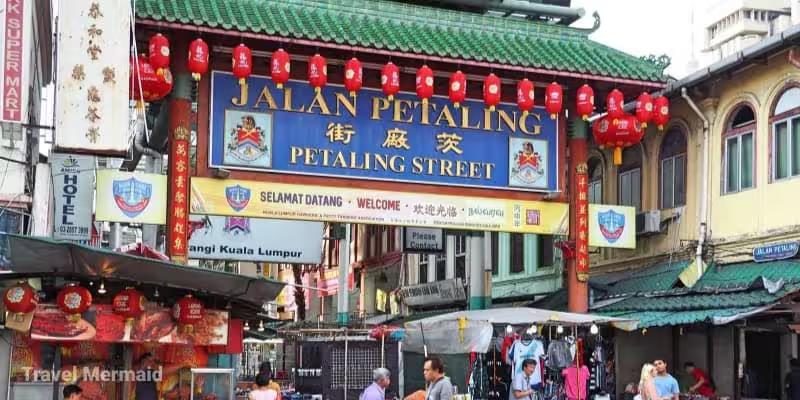
Kuala Lumpur’s Chinatown is more than just a bustling market—it’s a living museum of history, culture, and transformation. Nestled around the famous Petaling Street, this vibrant district offers everything from traditional temples and street food to modern dining and unique art. In this comprehensive guide, you’ll discover the rich history, must-visit attractions, food highlights, and practical tips to make the most of your visit to Chinatown in Kuala Lumpur. Whether you’re a first-time visitor or a seasoned traveler, this guide answers every question about the best hidden gems and local secrets of KL’s Chinatown.
A Brief History of Chinatown in Kuala Lumpur history
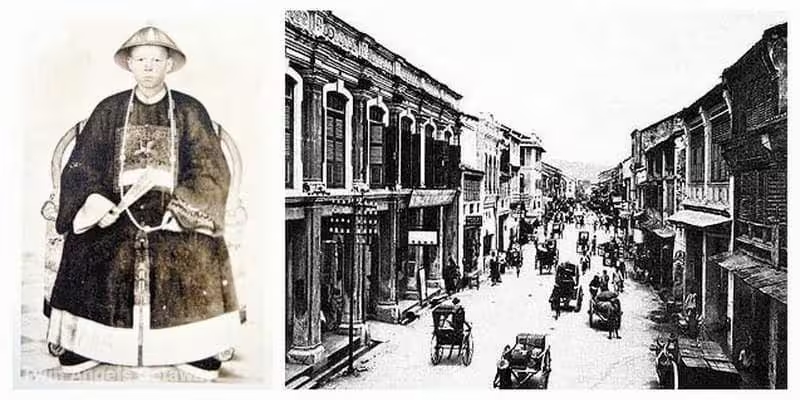
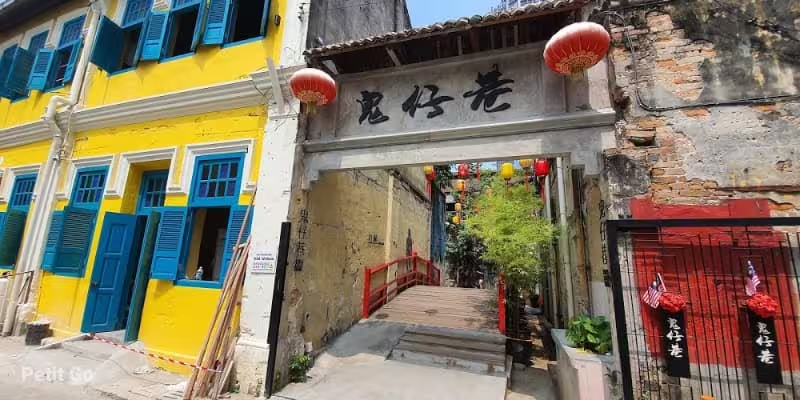
Chinatown in Kuala Lumpur dates back to the late 1800s when early Chinese settlers transformed a humble tin mining camp into a thriving commercial hub. Initially, the area was infamous for opium dens, gambling joints, and brothels, with one of its darkest alleys earning the nickname "Ghost Lane." Over time, however, this gritty past gave way to a vibrant cultural center.
The Birth of a Community
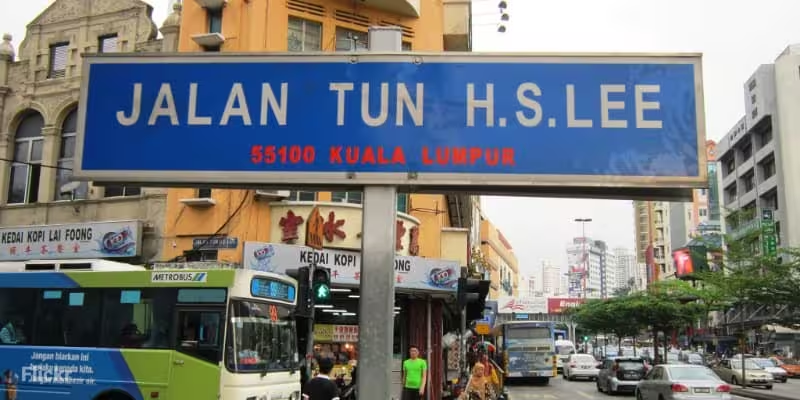
Market Square & Jalan Tun HS Lee: Chinatown’s story begins at Market Square along Jalan Tun HS Lee. Early settlers established this area as a busy trading post, which soon evolved to become the heart of the Chinese community in KL.
Yap Ah Loy – A Local Legend: One key figure is Captain Yap Ah Loy, the third Kapitan of the Chinese community. He played a pivotal role during a time of civil strife by convincing miners to switch from mining to farming. This strategic move helped rebuild and sustain the fledgling city, ensuring that KL would grow into the bustling metropolis it is today.
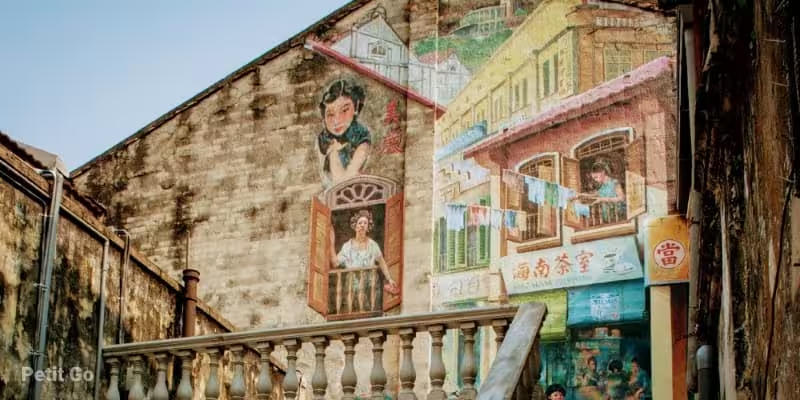
Transformation of "Ghost Lane": Once notorious for vice, Kwai Chai Hong —or Ghost Lane—has been rejuvenated into a street art gallery of vibrant murals and trendy eateries, showcasing a perfect blend of heritage and modernity.
The evolution of Chinatown mirrors Kuala Lumpur’s own journey from a modest settlement to a cosmopolitan capital. This strong historical legacy adds depth and character to the vibrant tapestry of Chinatown today.
How to Get to Chinatown
Getting to Chinatown in Kuala Lumpur is easy and convenient. The area is centrally located and well-connected by various modes of transportation. Here’s a quick guide to help you plan your visit:
By Train
Pasar Seni Station: Located on both the LRT Kelana Jaya Line and MRT Kajang Line, Pasar Seni station is your gateway to Chinatown. It’s a short walk from the station to the bustling Petaling Street.
Maharajalela Station: Situated very close to Petaling Street, this station is another excellent option for reaching Chinatown quickly.
By Bus
Free GoKL Bus Service: The free GoKL bus service stops at the Pasar Seni LRT station, making it both a cost-effective and convenient way to reach Chinatown.
By Car or Taxi
Driving Directions: Chinatown is easily accessible by car or taxi via Jalan Sultan and Jalan Pudu. However, parking may be limited due to the area’s heavy foot traffic.
Using these simple directions, you can ensure a smooth arrival and maximize your time exploring the hidden gems of Chinatown in Kuala Lumpur.
Top Must-Visit Attractions
Kuala Lumpur’s Chinatown is a treasure trove of cultural and contemporary attractions. Whether you’re passionate about history, art, or food, there's always something new to discover.
Cultural Sites
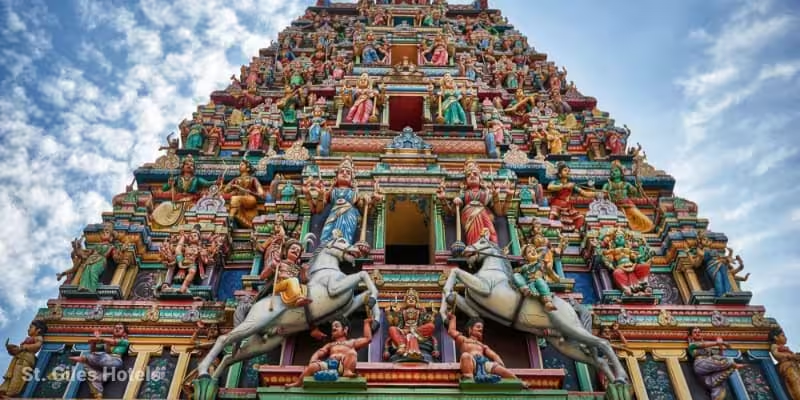
Sri Maha Mariamman Temple
Overview: Built in 1873, Sri Maha Mariamman Temple is the oldest Hindu temple in Kuala Lumpur. It stands as a testament to the deep-rooted cultural influence the Indian community has brought to the city.
Operating Hours:
Sun–Fri: 6 AM–1 PM and 4 PM–9 PM
Sat: 9 AM–9 PM
Pro Tip: Remember to remove your shoes before entering the temple. The peaceful ambiance offers an ideal start to your cultural exploration.
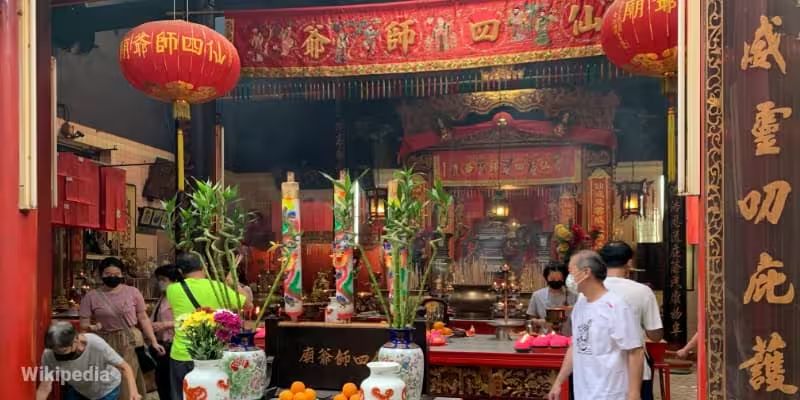
Sin Sze Zi Ya Temple
Overview: This is the oldest Taoist temple in KL, established in 1864. Known for its striking traditional architecture, it is a must-visit for anyone interested in Chinese religious heritage.
Operating Hours: 7 AM–5 PM
Kwai Chai Hong: The Reborn “Ghost Lane”
Overview: Once a shadowy alley associated with opium dens, Kwai Chai Hong has been revitalized with vibrant street art and creative energy. Here, you can see murals that reflect 1960s Chinese settler life, adding layers of history to every wall.
Highlights:
View historical murals
Explore trendy local cafes and bars like Chocha Foodstore and Botak Liquor
Enjoy guided tours that provide rich historical context
Shopping Destinations
Petaling Street Market
What to Expect: The famous Petaling Street Market is known for its replica designer bags, lively bargaining culture, and an array of street food stalls.
Shopping Tips:
Bargain aggressively; starting at 50% of the asking price is common
Best deals are usually available during weekday mornings to avoid the crowds
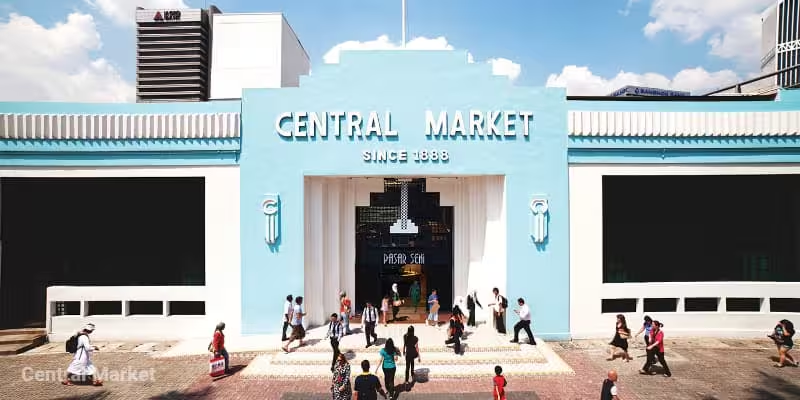
Central Market
Overview: Once a bustling wet market, Central Market has transformed into a cultural center with over 300 shops selling Malaysian handicrafts, textiles, and souvenirs.
Operating Hours: 10 AM–8 PM daily
Pro Tip: Take your time to savor the local crafts and consider purchasing a unique piece of art as a memento of your trip.
Food Highlights: Traditional Dishes & Modern Dining
One of the main attractions of KL Chinatown is its delectable food offerings. From time-honored street food to modern dining concepts, there is something to satisfy every palate.
Traditional Favorites
Kim Lian Kee – Hokkien Mee: Renowned for its authentic taste, Kim Lian Kee is a must-stop for a steaming bowl of Hokkien mee.
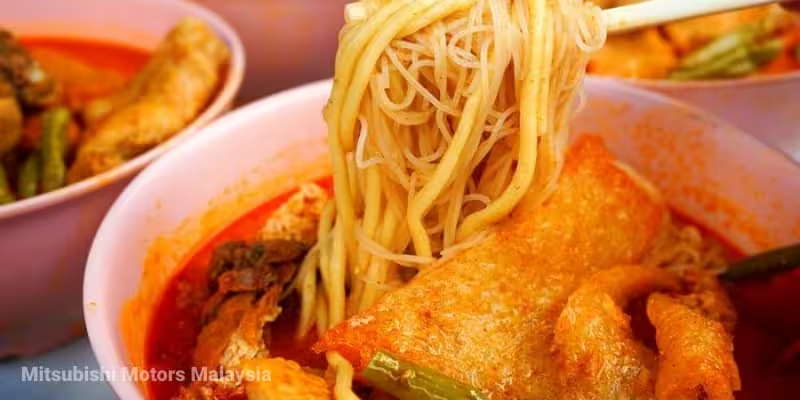
Madras Lane Curry Laksa: Savor the spicy, tangy flavors of curry laksa on Madras Lane—a true local favorite.
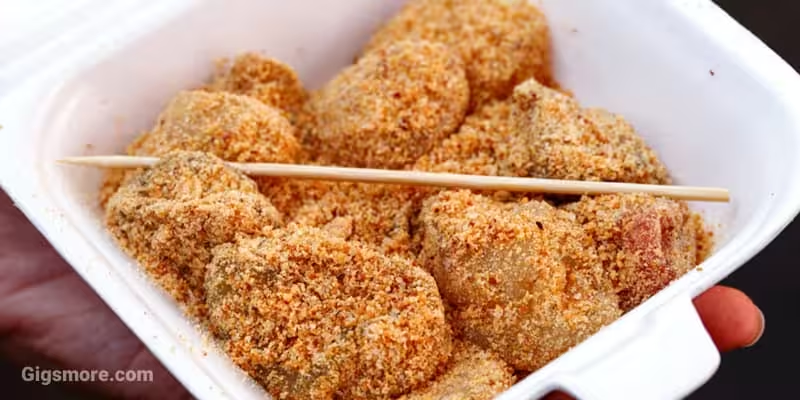
Madam Tang's Muah Chee: For those with a sweet tooth, Madam Tang’s Muah Chee delivers a delightful taste of tradition.
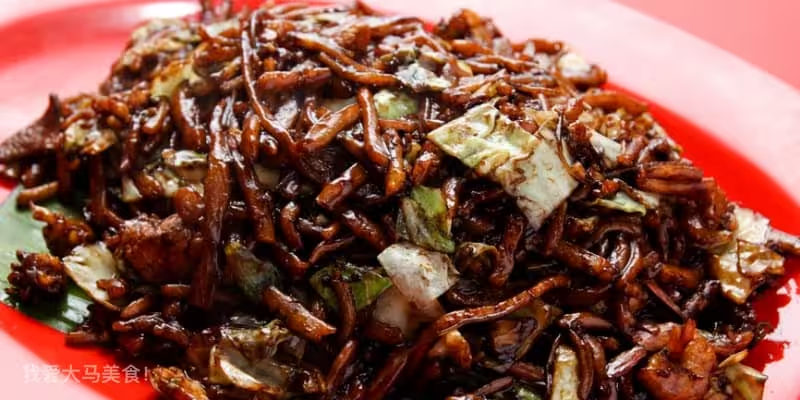
Air Mata Kucing & Char Kway Teow: These dishes are legendary street food highlights that capture the essence of Malaysia’s culinary heritage.
Modern Dining Experiences
As Chinatown continues to evolve, new dining venues have emerged to complement the traditional fare.
Chocha Foodstore: Located in the revamped Kwai Chai Hong, Chocha Foodstore offers contemporary twists on classic dishes in a vibrant, artistic setting.
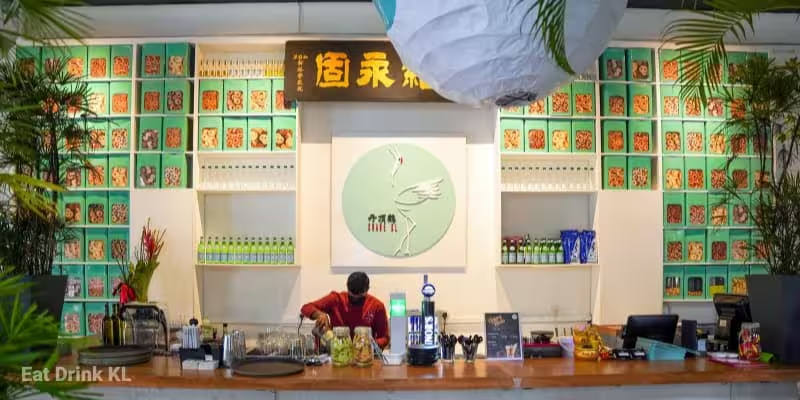
Crane KL & REXKL: For those looking for innovative culinary concepts, these establishments serve inventive dishes and craft cocktails that blend modern trends with local flavors.
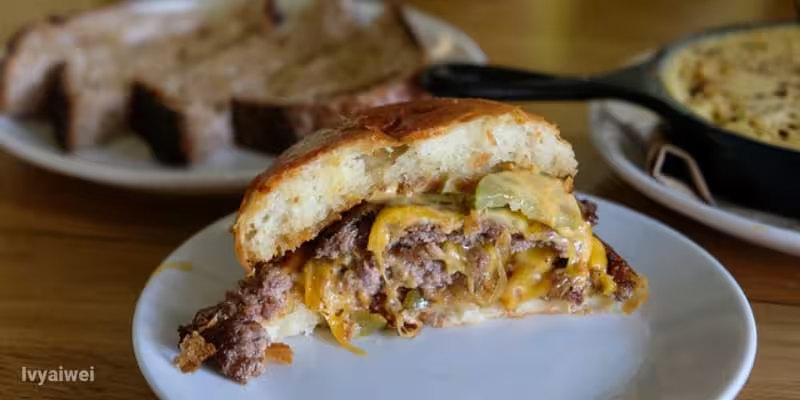
Alta Burger & Da Bao: These modern spots offer a fusion of East-meets-West flavors, perfect for a quick yet satisfying meal.
Visitor’s Guide: Best Times, Tips & Local Secrets
Planning your visit to KL Chinatown? Here’s a handy guide to ensure you enjoy every moment of your trip.
Best Times to Visit
Morning (8–10 AM): Ideal for temple visits and quiet exploration before the crowds arrive.
Afternoon (2–5 PM): Perfect for shopping and enjoying a leisurely coffee break at one of the many local cafes.
Evening (6 PM Onwards): The night market comes alive with street food vendors, vibrant lights, and a festive atmosphere that captures the true spirit of Chinatown.
Essential Visitor Tips
Dress Comfortably: Wear light, loose clothing and comfortable walking shoes. The weather in Kuala Lumpur can get hot, so staying cool is key.
Keep Your Belongings Secure: Crowded areas can be hotspots for pickpockets. Always keep your valuables safe and be aware of your surroundings.
Carry Cash: Many street vendors and smaller shops may not accept credit cards, so make sure you have enough local currency on hand.
Bargaining is Expected: Don’t hesitate to negotiate prices, especially at Petaling Street Market. Start low and settle at a fair price for both you and the seller.
Plan Your Itinerary: Allocate at least 3–4 hours to explore Chinatown thoroughly so you don’t miss any hidden gems or local secrets.
Insider Local Secrets
Off the Beaten Path: Venture into the side alleys near Kwai Chai Hong to discover quiet cafes, boutique stores, and local art studios that aren’t widely advertised.
History on Display: Look for informational plaques and murals that tell fascinating tales of old Chinatown. These details help you appreciate the rich cultural tapestry woven into the fabric of the community.
Interactive Experiences: Join a guided heritage trail tour to learn stories not found in standard travel guides—for example, the transformation of opium dens into trendy gastronomic hotspots.
Seasonal Festivals: Plan your visit during cultural festivals such as Chinese New Year. The celebrations add an extra layer of excitement with vibrant performances, parades, and special market deals.
Conclusion
Chinatown in Kuala Lumpur is a vibrant, must-visit destination that blends history with modern flair. From the fascinating transformation of Kwai Chai Hong and historic temples like Sri Maha Mariamman and Sin Sze Zi Ya, to the bustling energy of Petaling Street Market and innovative dining options, every corner of KL’s Chinatown tells a story. With its rich cultural heritage, captivating street food scene, and friendly locals, a visit to Chinatown is an immersive experience that captures the essence of Kuala Lumpur.
By following this guide, you’ll be well-equipped to discover hidden gems, indulge in delicious cuisine, and enjoy a seamless journey through one of Malaysia’s most historic and lively neighborhoods. So why wait? Pack your bags, grab your camera, and embark on an adventure that reveals the local secrets of Chinatown in Kuala Lumpur!
Ready for your next adventure? Explore our services or request a quote today to start planning your unforgettable trip to Kuala Lumpur’s Chinatown!
Planning Ahead?
Professional chauffeur service for airport transfer and corporate travel across Southeast Asia
How to Choose a Corporate Chauffeur Service in Bangkok
Bangkok business travel is rarely defined by the distance between two addresses. A short transfer can take very different amounts of time depending on the hour, the route selected and conditions around the destination.
How to Choose a Corporate Chauffeur Service in Singapore
Corporate travel in Singapore depends on more than arranging a vehicle for an executive, client or visiting delegation. The quality of the service is reflected in how carefully each journey is planned, communicated and managed from pickup to drop-off.
Best Chauffeur Service in Hong Kong? 5 Providers to Compare
Hong Kong already has one of the most efficient public transport networks in Asia, so hiring a chauffeur is rarely about having no other way to get around.
Best Chauffeur Service in Johor Bahru? 5 Providers to Compare
Getting around Johor Bahru is straightforward when the journey only involves one pickup and one destination. It becomes a different kind of booking once Senai Airport, several stops, meetings across different parts of Johor or a longer journey to Desaru enter the itinerary.
Best Chauffeur Service in Kuala Lumpur? 5 Providers to Compare
Getting a chauffeur in Kuala Lumpur is easy enough. The real test comes when the journey stops going exactly to plan: a flight arrives late, a meeting overruns, or another stop is added halfway through the day.
Best Chauffeur Service in Singapore? 5 Providers to Compare
Booking a chauffeur in Singapore is easy enough. The more useful question is what happens once the journey becomes more demanding: a Changi arrival shifts, several meetings run back-to-back, or an executive's schedule changes halfway through the day.
How to Choose a Corporate Chauffeur Service in Bangkok
Bangkok business travel is rarely defined by the distance between two addresses. A short transfer can take very different amounts of time depending on the hour, the route selected and conditions around the destination.
Zhi Min didn't start PAL with a business plan. He started with a problem he'd experienced firsthand — driving 15-hour days as an Uber driver before realising corporate ground transport could be done differently.
Zhi Min didn't start PAL with a business plan. He started with a problem he'd experienced firsthand — driving 15-hour days as an Uber driver before realising corporate ground transport could be done differently.


.avif)

.png)
.png)
.png)


.png)
.png)
.png)
.png)
.png)
.png)
.png)
.png)
.png)