Discover the majestic Sri Maha Mariamman Temple kuala Lumpur. From its 75-foot gopuram to ancient rituals, uncover the beauty of iconic Hindu sanctuary.
Discover one of Kuala Lumpur’s most iconic landmarks—the Sri Maha Mariamman Temple in Kuala Lumpur . As the oldest functioning Hindu temple in the city, this spiritual haven not only offers a window into Malaysia’s rich cultural heritage but also captivates visitors with its intricate South Indian artwork and carvings. Whether you are a first-time visitor or a seasoned traveler exploring Kuala Lumpur’s vibrant neighborhoods, this comprehensive guide will help you plan a memorable visit.
Introduction
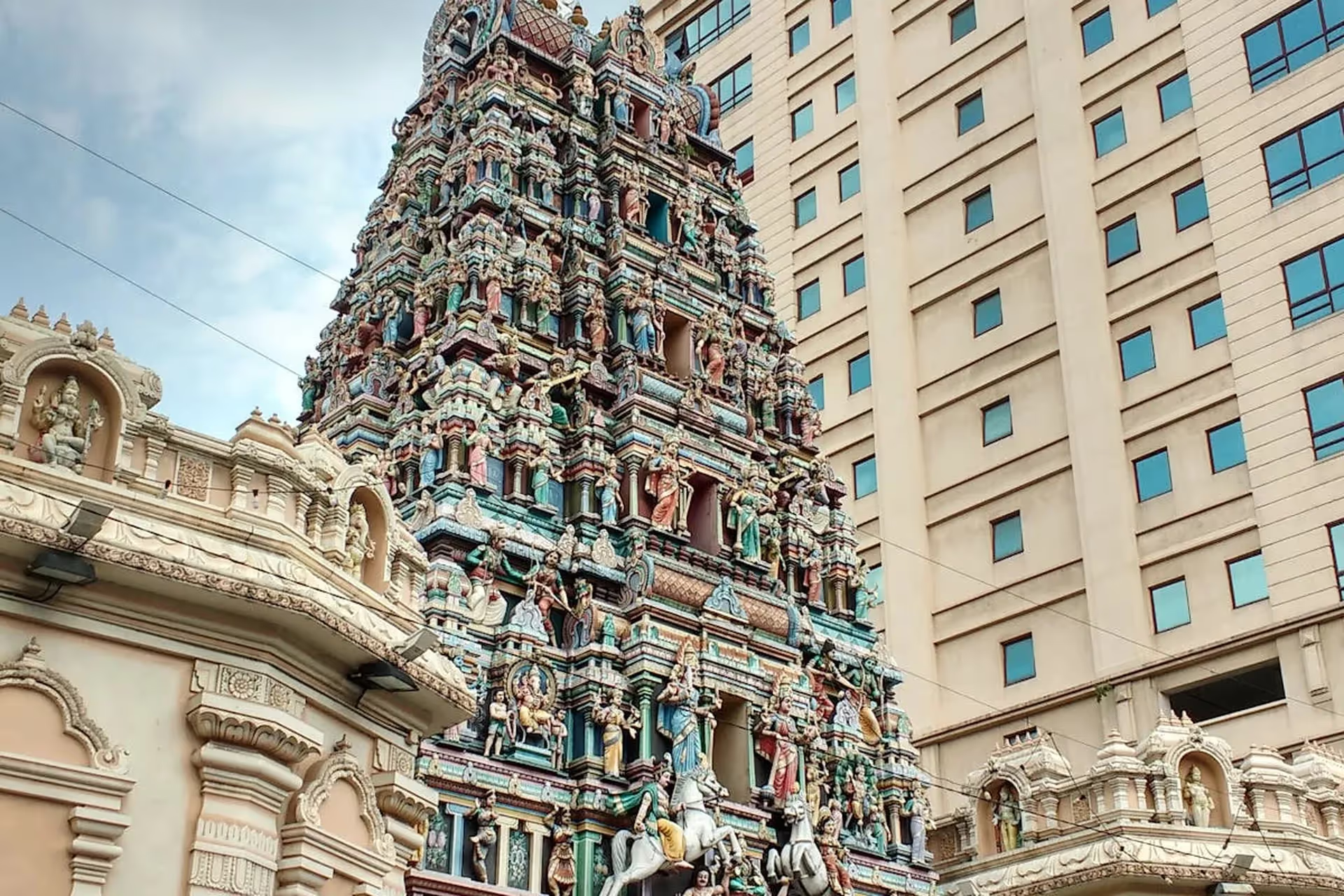
For over 150 years, the Sri Maha Mariamman Temple in Kuala Lumpur has stood as a dynamic symbol of religious devotion and cultural fusion. Founded in 1873 by K. Thamboosamy Pillai, the temple is the oldest functioning Hindu temple in the city. It boasts an architectural style that reflects exquisite South Indian temple architecture, where every detail—the iconic 75-foot gopuram (tower) adorned with 228 Hindu deity statues, the elaborate interior decorations, and the renowned 350kg silver chariot—tells a story steeped in tradition and myth.
This guide is designed to answer all your questions by providing practical information and expert insights. Whether you’re interested in absorbing the spiritual ambiance, admiring the vibrant murals and carvings, or understanding the temple’s historical evolution, you’re in the right place. Let’s explore how you can make the most of your visit!
Why Visit Sri Maha Mariamman Temple?
Visiting the Sri Maha Mariamman Temple is much more than touring an architectural marvel; it’s an immersive cultural experience. Here are some compelling reasons to include this temple in your itinerary:
- Cultural Heritage: The temple represents Malaysia’s multicultural legacy. It serves as a spiritual center for the local Hindu community while welcoming visitors of all backgrounds.
- Historical Significance: Recognized as the oldest functioning Hindu temple in Kuala Lumpur, it carries stories of its founding in 1873 and has evolved over time into a beloved landmark.
- Architectural Brilliance: Witness intricate carvings, Spanish and Italian tiles, gold motifs, and precious stones set against a backdrop of traditional South Indian temple design. The temple’s structure, designed to symbolically represent a human body, is a marvel in itself.
- Spiritual Experience: Participate in vibrant ceremonies, witness ongoing prayers, and feel the serene ambiance, whether you visit during early morning hours or on festival days such as Thaipusam, Deepavali, and Navaratri.
- Photographic Opportunities: The temple's vivid colors, ornate details, and the towering gopuram offer a perfect setting for travelers and photography enthusiasts.
Embrace the charm and spirituality of this sacred space as it offers both a visual feast and a deeper understanding of Malaysia’s diverse cultural fabric.
Location & Access
Address and Contact Details
- Location: 167, Jalan Tun H S Lee, City Centre, 50000 Kuala LumpurLocated in the heart of Chinatown, near the bustling Petaling Street, this temple is easily accessible and centrally located.
- Phone: +60-3-20783467
How to Get There
- By Public Transport: The temple is conveniently accessible from the Pasar Seni LRT/MRT station . Once you exit the station, you’ll find yourself within a short walking distance. Head along Jalan Sultan for about 50 meters, then turn left onto Jalan Tun H.S. Lee.
- By Car: If you are driving, ample parking is available nearby. However, during peak festival days, it’s best to use public transport to avoid heavy traffic.
Opening Hours & Entry Details
Understanding the temple’s operating hours and entry guidelines is essential for planning your visit:
- Daily Operating Hours:
- Morning Session: 6:00 AM – 1:00 PM
- Evening Session: 4:00 PM – 9:00 PM
- Special Extended Hours:
- Friday: Open until 9:30 PM
- Saturday: Open until 9:00 PM
- Admission: Entry to the temple is free for all visitors. There is a small fee for shoe storage to help you keep your footwear safe while you explore the temple.
- Photography: While photography is generally allowed, some areas or ceremonies may require prior permission. Always ask before snapping photos, especially during prayer sessions.
Dress Code and Cultural Etiquette
A respectful visit begins with understanding the cultural norms and dress code of the temple:
What to Wear
- For Men: Wear full-sleeved shirts and trousers. This not only reflects respect for the temple’s traditions but also helps you stay comfortable in the tropical climate.
- For Women: Dress modestly by covering shoulders and knees. Traditional attire such as a sari is highly appreciated and adds to the immersive experience.
- Footwear: Shoes must be removed before entering the temple premises. Many visitors choose to bring a pair of socks for comfort.
Cultural Etiquette
- Maintain Silence: Keep your voice low to preserve the sanctity of prayer areas and allow worshippers to conduct their ceremonies in peace.
- Respect Sacred Spaces: Do not disturb the ongoing rituals or block the paths in prayer areas. Follow the directions of temple staff if asked.
- Ask Before Shooting: Always request permission before taking photographs, especially of deities or during ceremonies.
- Non-Hindus Welcome: The temple extends a warm welcome to visitors of all faiths. However, keep in mind that you are entering an active place of worship, so behave respectfully at all times.
By adhering to these guidelines, you will ensure that your visit is both culturally respectful and personally enriching.
Architectural Highlights
The architectural splendor of the Sri Maha Mariamman Temple is one of its most captivating features. Let’s take a closer look at its two key elements:
The Iconic Gopuram Tower
One of the temple’s most eye-catching components is its 75-foot tall gopuram . This towering gateway not only serves as the main entrance but also acts as a visual narrative of Hindu mythology.
- Design and Details:
- Five Tiers of Intricacy: The gopuram has five levels, each adorned with exquisite carvings and vibrant colors.
- Statues Galore: Over 228 Hindu deities are intricately sculpted into the gopuram, symbolizing the divine and complex nature of Hindu lore.
- Completion: The current gopuram was completed in 1972 and has since become an iconic landmark in Kuala Lumpur.
- Symbolic Significance: The gopuram not only marks the temple’s entrance but also represents spiritual gateways, inviting devotees and visitors alike into a space of divine connection.
Interior Splendor and Sacred Elements
Once inside, the temple reveals an equally impressive architectural and artistic ensemble:
- Main Prayer Hall: The prayer hall is the heart of the temple, where the focus is on the worship of Goddess Mariamman. The ceilings are adorned with detailed murals illustrating mythological stories. Multiple shrines dedicated to Lord Ganesha, Muruga, and other deities can be found here.
- Exquisite South Indian Artwork: The temple features a rich display of South Indian artwork and carvings. Spanish and Italian tiles, golden accents, and precious stones work together to create an atmosphere that is both luxurious and spiritually uplifting.
- The Symbolic Structure: Traditionally, the temple’s structure is said to symbolically represent the human body. The gopuram is seen as the ‘feet’ that ground the temple in reality, while the central shrine acts as the 'head', guiding the spiritual journey.
- The Renowned Silver Chariot: One of the temple’s most famous treasures is its 350kg silver chariot, a centerpiece during the Thaipusam festival. The chariot represents not only the craftsmanship but also the vibrant celebrations that honor the temple’s deities.
This detailed artistry and thoughtful design ensure every corner of the temple reflects both aesthetic beauty and spiritual significance.
Special Features and Historical Significance
A Living Testament to History
- Founding and Evolution: Established in 1873, the temple was founded by K. Thamboosamy Pillai, marking the beginning of a new era in Kuala Lumpur’s cultural history. It stands as the oldest Hindu temple in the city.
- Historical Layers: Over the centuries, the temple has seen numerous renovations and expansions. The current structure, with its blend of traditional South Indian elements and modern enhancements, reflects the dynamic evolution of Malaysian Hindu culture.
- Cultural Hub: More than a place of worship, the temple is a vibrant cultural hub. It regularly hosts festivals, ceremonies, and community events which provide insight into the local Hindu traditions.
Sacred Elements and Spiritual Experiences
- Temple Dedicated to the Goddess Mariamman: The main shrine is devoted to Goddess Mariamman, believed to bestow health, healing, and protection. Her divine presence ensures that the temple remains a potent spiritual center.
- Celebrated During Festivals: Visitors who time their visit during major Hindu festivals, such as Thaipusam, Deepavali, and Navaratri, can witness spectacular ceremonies, processions, and cultural performances. These festivals not only attract devotees but also serve as a window into the rich tapestry of local traditions.
- A Center for Worship: Despite its popularity among tourists, the temple remains a working shrine. Devotees gather daily for prayers, and the rhythmic sound of temple bells and chants creates an atmosphere that is both calming and invigorating.
Through every element—its history, artwork, and spiritual rituals—the Sri Maha Mariamman Temple in Kuala Lumpur stands as a symbol of Malaysia’s multicultural heritage and enduring tradition.
Best Times to Visit
Choosing the right time to explore the temple can greatly enrich your experience. Here are ideal times to visit:
- Early Morning Visit: Arriving between 6:00 AM and 8:00 AM allows you to enjoy the temple in a peaceful ambiance. The crisp morning air and quieter crowds give you time to absorb the beauty of the temple’s intricate details without distractions.
- Festival Periods: Experiencing the temple during festivals like Thaipusam, Deepavali, or Navaratri offers a vibrant display of color, music, and ritual. However, keep in mind that these periods can be very crowded, so plan accordingly.
- Evening Sessions: For those who prefer a more relaxed visit later in the day, the evening session (from 4:00 PM onwards) provides a soft, ambient light that enhances the temple’s glow and intricate carvings.
Practical Tips for a Smooth Visit
Proper preparation can enhance your temple visit, ensuring a comfortable and immersive experience. Here are some handy tips:
- Plan Your Time: Allocate at least 1-2 hours to fully explore the temple and its surroundings. Arriving early or during off-peak hours will help you avoid large crowds.
- Dress Accordingly: Remember to wear modest clothing. For women, clothing that covers the shoulders and knees is recommended, and traditional attire like a sari can add to your cultural experience. Men should opt for full-sleeved shirts and trousers.
- Footwear Matters: Bring a clean pair of socks if you prefer not to walk barefoot after removing your shoes. A small shoe bag is useful to keep your footwear safe.
- Stay Hydrated: Kuala Lumpur’s tropical climate means it can get quite humid. Carry a bottle of water and a small towel, especially if you plan to visit during the hotter parts of the day.
- Check the Weather: Rain can be unpredictable. Consider carrying an umbrella or raincoat during the rainy season and plan indoor activities if necessary.
- Combine With Nearby Attractions: The temple’s central location permits an easy visit to other landmarks. After exploring the temple, consider a stroll through Petaling Street, Central Market, or even a short drive to Batu Caves.
- Respect Local Customs: Always follow the cultural norms of the temple. Speak softly, ask for permission before taking photos, and be mindful of those in prayer.
Using these practical tips will help you navigate your visit smoothly while appreciating every aspect of this cultural gem.
Nearby Attractions
After immersing yourself in the spiritual ambiance of the temple, take the opportunity to explore local attractions that add further depth to your Kuala Lumpur experience:
- Petaling Street (Chinatown): Just a short walk away, Petaling Street offers a bustling market atmosphere filled with street vendors, local delicacies, and unique shopping opportunities.
- Central Market: Experience the fusion of modern art and traditional crafts at Central Market. It’s an excellent spot for souvenirs and a taste of local culture.
- Museum of Illusion: For a fun and interactive experience, visit the Museum of Illusion near the city center. It provides quirky exhibits that are perfect for a light-hearted break.
- Petronas Twin Towers: No trip to Kuala Lumpur is complete without a visit to the world-famous Petronas Twin Towers. Enjoy the surrounding parkland and nightlife in the nearby KLCC area.
- Batu Caves: Located approximately 30-40 minutes away, Batu Caves is another iconic religious site where you can explore ancient limestone caves and witness an elaborate temple complex.
Exploring these nearby attractions will give you a well-rounded experience of Kuala Lumpur’s cultural and architectural diversity.
Conclusion
The Sri Maha Mariamman Temple in Kuala Lumpur stands as a vibrant celebration of history, art, and spirituality. With its centuries-old legacy, intricate architecture, and deep-rooted cultural traditions, the temple offers a unique and enriching experience for every visitor. Whether you’re drawn by its famed 75-foot gopuram laden with 228 Hindu deities, the decorated prayer hall with exquisite South Indian artwork, or the symbolic silver chariot that plays a starring role during Thaipusam, you are sure to leave with a new appreciation for Malaysia’s multicultural heritage.
Remember, your respectful behavior not only honors the temple’s traditions but also ensures that this living monument continues to inspire generations to come. So pack your camera (with permission), your respectful curiosity, and a desire to connect with history—and set out on an unforgettable journey to one of Kuala Lumpur’s most significant spiritual sites.


.png)
.png)
.png)


.png)
.png)
.png)
.png)
.png)
.png)
.png)
.png)
.png)