
Navigate Malaysia's entry requirmement for US Citizens effortlessly! Essential tips to ensure a seamless travel experience await you!
If you are a U.S. citizen planning a trip to Malaysia, understanding the entry procedures is essential. In this guide, we explain the passport requirements, digital arrival card process, and conditions for visa-free entry so you can enjoy a smooth travel experience.
This article covers everything you need to know—from the six‑month passport rule and blank passport page requirements to how to complete Malaysia’s Digital Arrival Card and understand visa-free limits. Read on for a step‑by‑step guide that makes Malaysia’s entry rules clear and simple.
Traveling to Malaysia offers an enriching cultural experience, breathtaking landscapes, and unforgettable culinary adventures. However, before you embark on your journey, understanding the entry procedures is crucial. U.S. citizens need to meet specific requirements set by Malaysian immigration authorities. This article explains all the key steps and tips—from verifying your passport’s validity to completing the Malaysia Digital Arrival Card—to help you avoid delays, fines, or even denial of entry.
Whether this is your first trip or a repeat visit, knowing the rules will give you peace of mind. Let’s dive into the specific entry requirements for Malaysia.
When you plan your travel to Malaysia, you must ensure that your documents and travel arrangements meet the Malaysian immigration standards. The three pillars of entry for U.S. citizens are passport validity, digital arrival documentation, and visa-free limits for tourism.
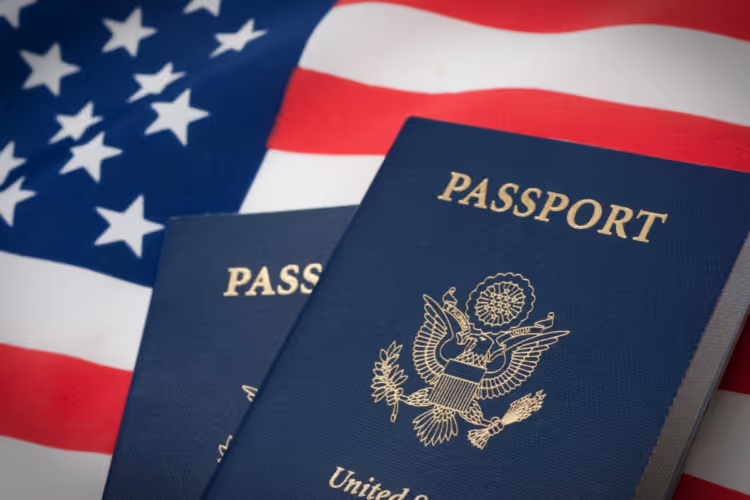
One of the most common entry requirements is a valid passport. Here’s what you need to know:
Key takeaway: Always check the expiry date of your passport and renew it if it is close to the six‑month threshold before your trip.
Malaysia has introduced a digital process for recording arrival details:
Tip: Save a digital copy or print your MDAC confirmation to show it if requested during check-in or by immigration officers.
For most U.S. citizens, Malaysia offers visa-free entry for short visits:
Remember: While U.S. citizens benefit from visa-free entry, your entry is still at the discretion of Malaysian immigration officials. Carry all supporting documents, including your return or onward ticket and proof of funds.
Even though most U.S. citizens enter visa‑free, certain travelers or those with different purposes may need to apply for a Malaysian eVisa. The eVisa process is designed to be fast and efficient.
If you need an eVisa, follow these steps:
Helpful hint: Keep a digital copy of all documents on your phone or a USB drive during your travel.
Beyond the entry paperwork, other preparations are necessary to ensure a smooth journey.
When you arrive in Malaysia, you may be asked to show proof of:
These documents reassure immigration officers that you are visiting for tourism or short‑term business and that you can financially support yourself.
While not always required, consider carrying the following documents:
By preparing these items in advance, you reduce the risk of complications during check‑in or immigration interviews.
It is important to follow Malaysian immigration rules meticulously. Some common pitfalls include:
Advice: Keep your documents organized and accessible. Double-check every requirement before departure to avoid last-minute stress.
Following these best practices will help ensure trouble-free arrival in Malaysia:
Key takeaway: Preparation is the best way to avoid mishaps. When your documents, itinerary, and travel insurance are ready, you can travel confidently.
Understanding and meeting Malaysia’s entry procedures is key to a smooth visit. From ensuring your passport has the proper six‑month validity and blank pages, to completing the Malaysia Digital Arrival Card on time, every step plays an important role. As a U.S. citizen, you can also enjoy visa‑free entry for most tourist trips of up to 90 days. However, be prepared with proof of funds, a complete itinerary, and all essential documents.
We hope this guide has simplified the steps you need to take before embarking on your Malaysian adventure. With careful planning and a little preparation, you can avoid unnecessary delays and enjoy everything Malaysia has to offer—from the bustling streets of Kuala Lumpur to the lush rainforests of Borneo.
If you are still unsure about any aspects of the entry process, contact the nearest U.S. Embassy or visit official websites for the latest information. Get organized, complete your paperwork early, and soon you will be on your way to experiencing the rich culture and stunning natural beauty of Malaysia.
Ready to plan your trip? Now is the time to review your travel documents, check your passport, and complete the Malaysia Digital Arrival Card. Enjoy peace of mind by following our step‑by‑step tips, and get set for an amazing journey!
If you need further assistance or want the latest updates on Malaysia travel procedures, please don’t hesitate to contact your local U.S. Embassy or consult trusted government travel sites. For help or detailed inquiries, call or email the U.S. Embassy in Kuala Lumpur.
Call: +60 3 2168 5000
Email: [email protected]
.png)
Corporate travel in Singapore depends on more than arranging a vehicle for an executive, client or visiting delegation. The quality of the service is reflected in how carefully each journey is planned, communicated and managed from pickup to drop-off.
.png)
Getting around Johor Bahru is straightforward when the journey only involves one pickup and one destination. It becomes a different kind of booking once Senai Airport, several stops, meetings across different parts of Johor or a longer journey to Desaru enter the itinerary.
.png)
Booking a chauffeur in Singapore is easy enough. The more useful question is what happens once the journey becomes more demanding: a Changi arrival shifts, several meetings run back-to-back, or an executive's schedule changes halfway through the day.


Fixed rates, 24/7 operations, flight-tracked pickups. PAL handles the ground transportation.


.png)
.png)
.png)
.png)
.png)
.png)
.png)
.png)
.png)